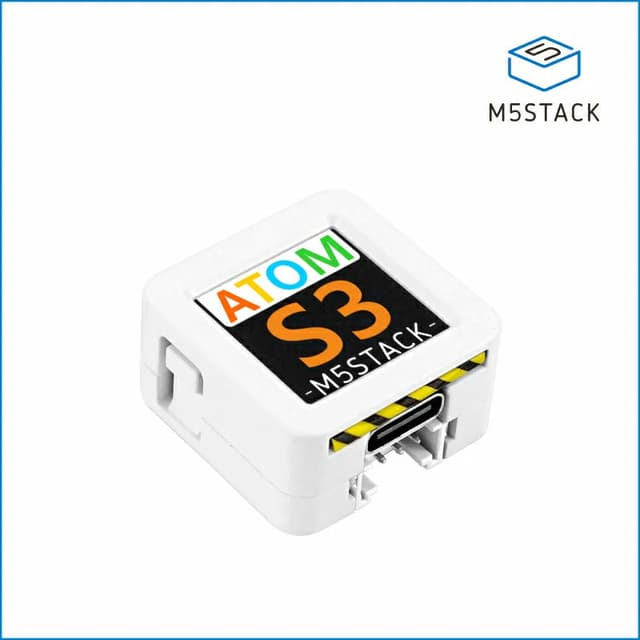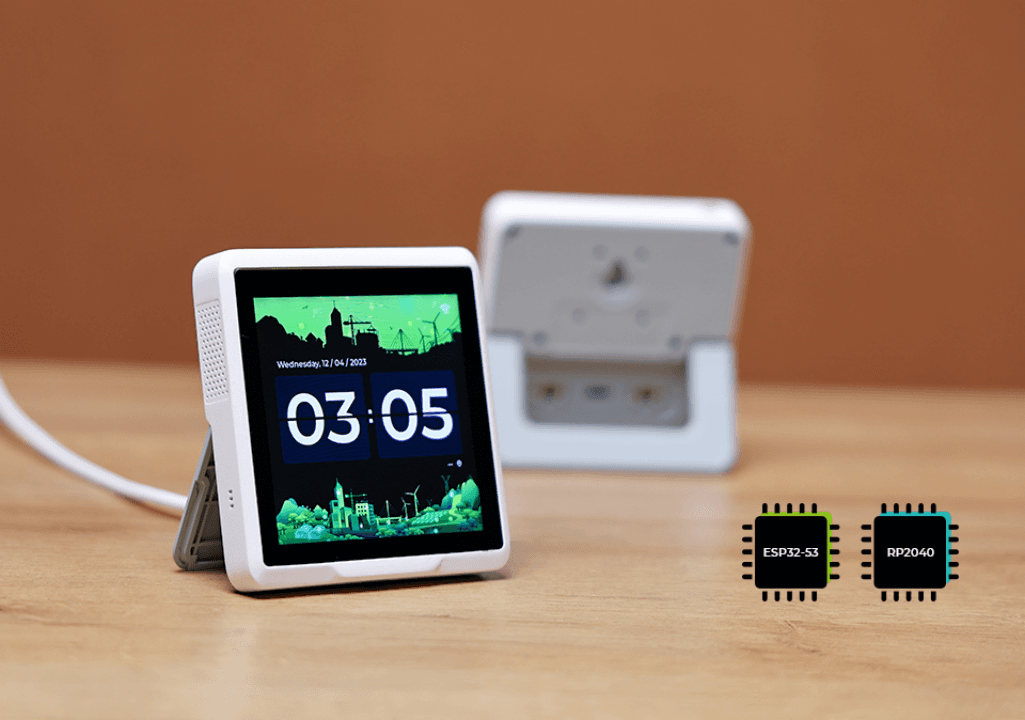
SenseCAP Indicator D1
Dual-MCU IoT development platform featuring ESP32-S3 and RP2040 processors with a 4-inch capacitive touchscreen, WiFi, BLE, optional LoRa, and multiple Grove sensor connectors for IoT prototyping.
$64.90
Tap any value to browse matching devices
Specifications
Components
Espressif ESP32-S3 with Xtensa LX7 dual-core processor at 240MHz, 8MB PSRAM, WiFi and BLE 5.0 connectivity, drives the display and handles wireless communication
Raspberry Pi RP2040 with dual ARM Cortex-M0+ cores at 133MHz, handles Grove sensor peripherals and real-time I/O processing
4-inch IPS LCD with 480x480 resolution and capacitive touch overlay, driven via SPI by the ESP32-S3, supports LVGL graphics library
Sensirion SCD41 photoacoustic CO2 sensor with built-in temperature and humidity sensing, measurement range 400-5000 ppm
ASAIR AHT20 digital temperature and humidity sensor with I2C interface
Sensirion SGP40 digital VOC sensor for indoor air quality monitoring with I2C interface
Built-in piezoelectric buzzer for audio alerts, notifications, and alarm feedback
Standard Grove 4-pin connector with I2C interface for connecting compatible Seeed Studio sensors and modules
Standard Grove 4-pin connector with GPIO and ADC interface for analog and digital sensor expansion
microSD card slot for data logging, storage expansion, and firmware updates
Bus Interfaces
SenseCAP Indicator D1
The SenseCAP Indicator D1 is a versatile IoT development platform from Seeed Studio that combines two powerful microcontrollers — the ESP32-S3 (for wireless connectivity and AI capabilities) and the RP2040 (for sensor data processing and peripheral control) — into a single device with a 4-inch capacitive touchscreen.
Key Features
- Dual-MCU architecture: ESP32-S3 handles WiFi/BLE connectivity and UI rendering via LVGL, while the RP2040 manages sensor inputs and Grove peripherals
- 4-inch capacitive touch display (480×480 resolution) for building rich interactive dashboards and UIs
- Built-in sensors: tVOC, CO2 (SCD41), temperature, and humidity sensors on select models
- Grove ecosystem: Two Grove connectors (I2C + GPIO/ADC) for easy sensor expansion
- Wireless connectivity: WiFi 802.11 b/g/n (2.4 GHz) and Bluetooth 5.0 LE built-in
- microSD card slot for data logging and storage expansion
- Buzzer for audio alerts and notifications
- USB-C for programming and power
Architecture
The ESP32-S3 runs the main application firmware, driving the display via SPI and managing WiFi/BLE communication. The RP2040 co-processor communicates with the ESP32-S3 over UART and handles Grove sensor peripherals, providing dedicated real-time I/O processing.
Development
The SenseCAP Indicator D1 supports multiple development frameworks. The ESP32-S3 side can be programmed with Arduino, ESP-IDF, or MicroPython. The RP2040 side supports Arduino and MicroPython. SquareLine Studio can be used for visual LVGL UI design.
Seeed Studio provides extensive documentation, example projects, and a growing library of community contributions through their wiki and GitHub repositories.
Use Cases
6IoT Dashboard
Display real-time IoT sensor data on an embedded screen for local monitoring.
Environmental Monitoring
Monitoring environmental conditions like temperature, humidity, air quality, and weather data using remote sensors.
Smart Home
Home automation devices for controlling lighting, climate, security, and appliances.
Air Quality Monitoring
Monitoring indoor or outdoor air quality by measuring particulate matter, CO2, VOCs, NOx, and other pollutants to assess air safety and comfort.
data-visualization
rapid-prototyping
Resources
Where to Buy
Explore more of the directory — popular use cases, firmware, and specs to browse next.