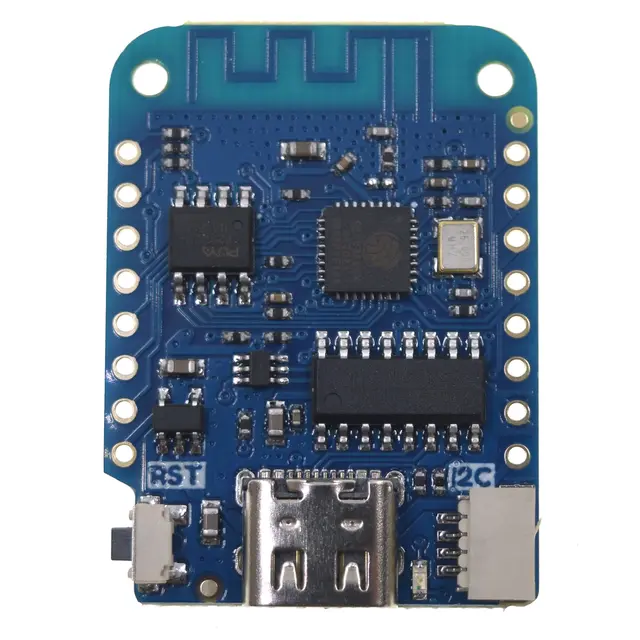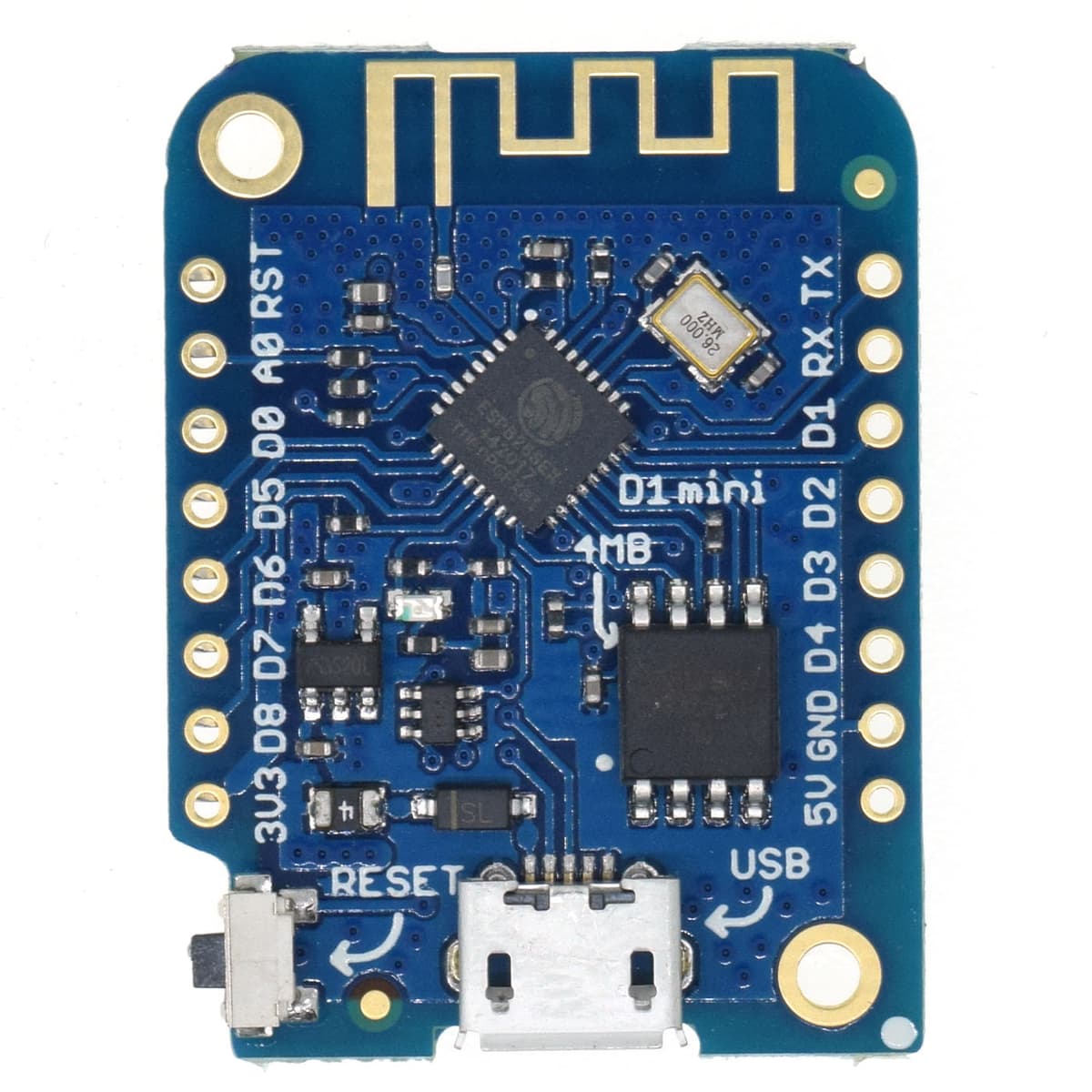
LOLIN D1 Mini V3
Compact WiFi development board based on the ESP8266-12F module. Features 4 MB flash, 11 digital I/O pins, Micro-USB, and a rich shield ecosystem. One of the most popular boards for IoT projects.
$3.50
Tap any value to browse matching devices
Specifications
Components
ESP8266-based WiFi module with integrated TCP/IP stack, 80/160 MHz Xtensa L106 processor, and PCB antenna.
Integrated PCB trace antenna for 2.4 GHz WiFi connectivity, built into the ESP8266-12F module.
Bus Interfaces
LOLIN D1 Mini V3
The D1 Mini V3 is one of the most popular compact WiFi development boards in the maker community. Based on the ESP8266-12F module, it provides WiFi connectivity in a breadboard-friendly form factor with a thriving ecosystem of stackable shields.
Key Features
- ESP8266 running at 80/160 MHz
- 4 MB flash memory
- WiFi 4 (802.11 b/g/n) 2.4 GHz
- 11 digital I/O pins (all supporting interrupt, PWM, I2C, and one-wire except D0)
- 1 analog input (3.3V max)
- Micro-USB connector for power and programming
- Compatible with Arduino IDE, MicroPython, and NodeMCU (Lua)
- Compact size: 34.2 x 25.6 mm
Shield Ecosystem
One of the D1 Mini's greatest strengths is its extensive shield ecosystem. Stackable shields include:
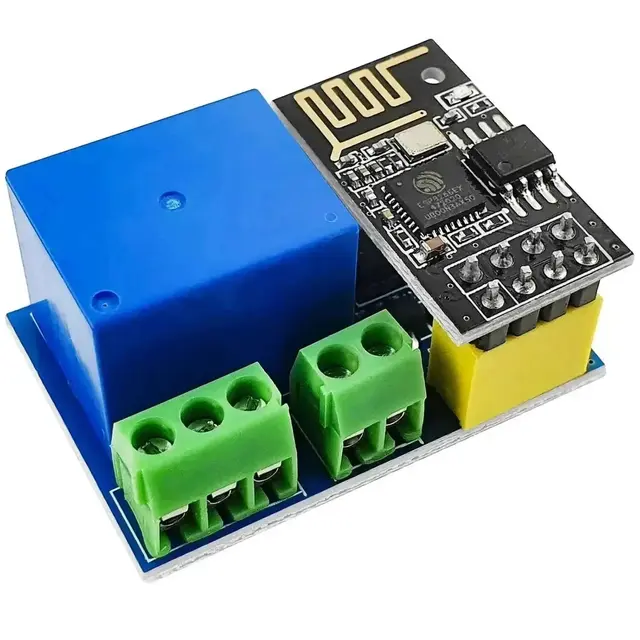
- Relay, motor driver, and battery shields
- OLED display, TFT, and e-paper shields
- Temperature, humidity, and other sensor shields
- Proto shield for custom circuits
- SD card shield
Programming Support
- Arduino IDE — ESP8266 Arduino core with full library support
- MicroPython — official ESP8266 MicroPython port
- NodeMCU / Lua — the original NodeMCU firmware
- ESPHome — YAML-based firmware for Home Assistant integration
- Tasmota — popular firmware for smart home devices
- ESP Easy — rule-based firmware for sensor nodes
Use Cases
The D1 Mini is a go-to board for WiFi-connected IoT projects: temperature/humidity monitoring, relay control, MQTT sensor nodes, web servers, and Home Assistant integrations.
Use Cases
5IoT
Internet of Things applications including connected sensors, actuators, and smart devices that communicate over WiFi, BLE, LoRa, or other wireless protocols.
Home Automation
Wireless Sensor Networks
Prototyping
Rapid hardware prototyping and proof-of-concept development with breadboard-friendly form factors and accessible development environments.
MQTT Nodes
Where to Buy
Explore more of the directory — popular use cases, firmware, and specs to browse next.