LILYGO T-Display S3 Pro
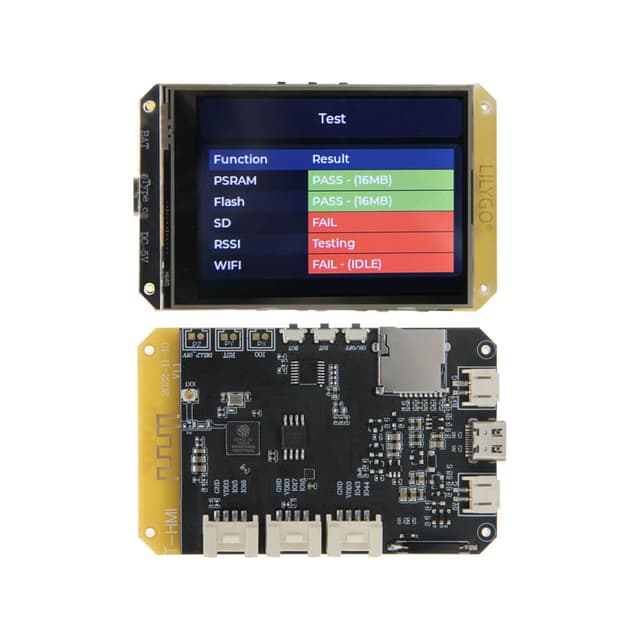
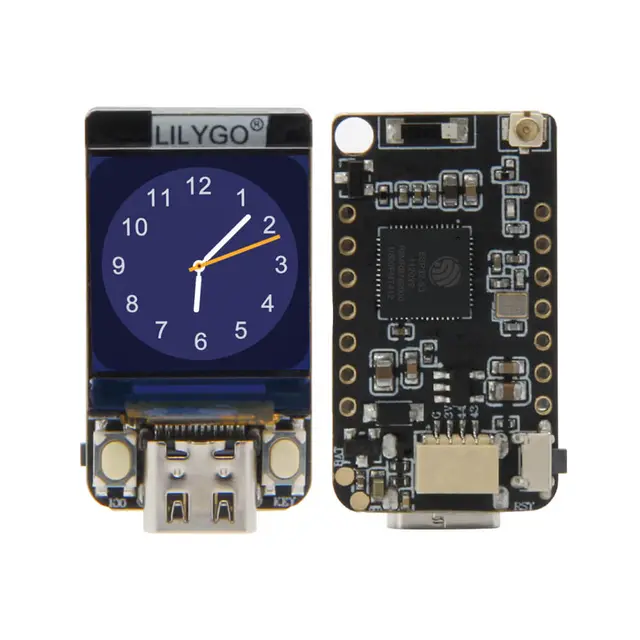
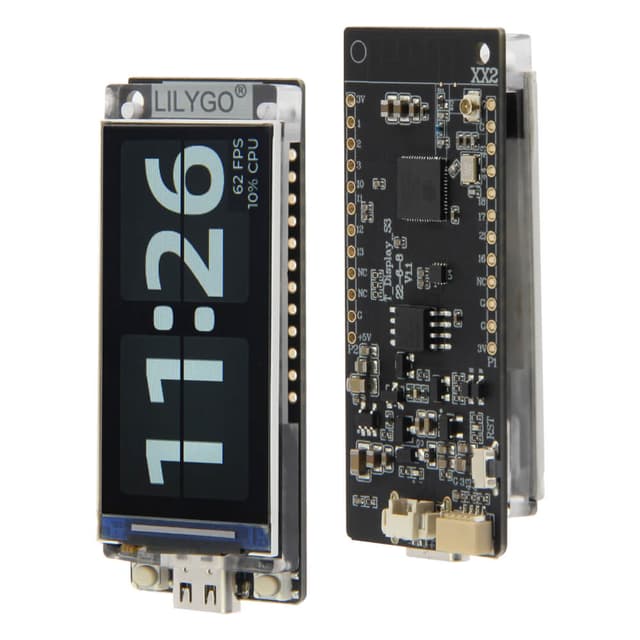
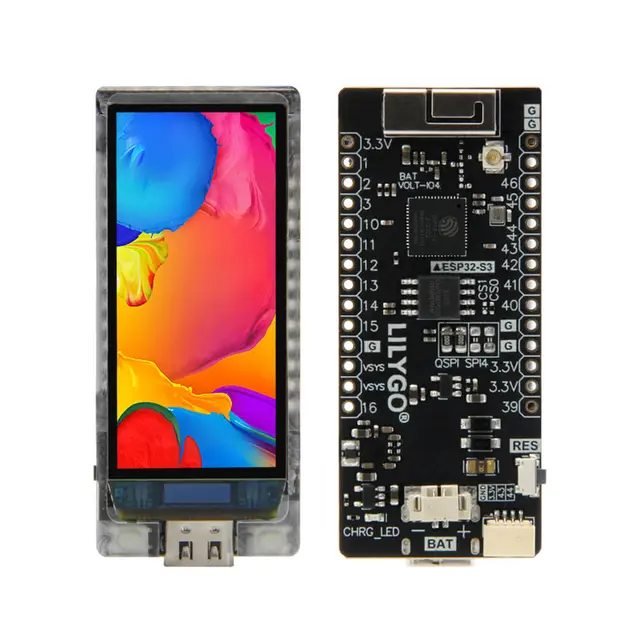
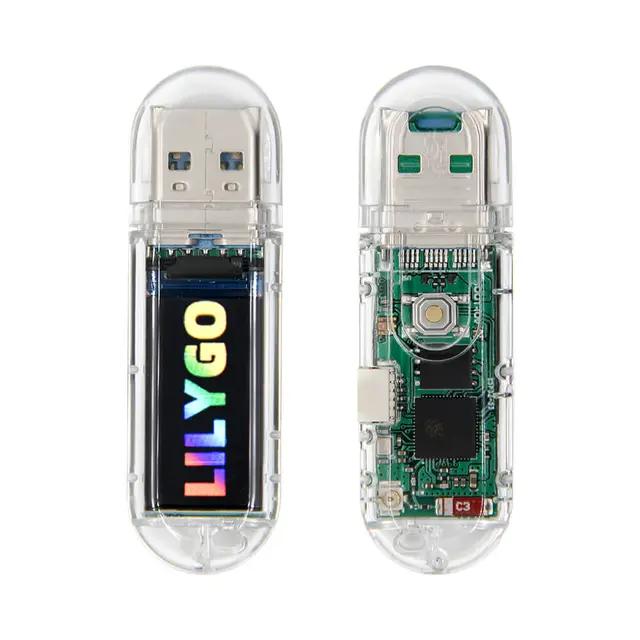
Upgraded T-Display S3 with a larger 2.33" IPS touchscreen, ESP32-S3R8, OTG charging via SY6970, QWIIC ports, ambient light/proximity sensor, and optional camera module expansion via POGOpin.
$37.99
Tap any value to browse matching devices
Specifications
Certifications
Components
Xtensa LX7 dual-core at 240MHz with 16MB flash, 8MB PSRAM, WiFi 802.11 b/g/n, and BLE 5.0 with Bluetooth Mesh.
SPI TFT LCD driver supporting 222×480 resolution.
Single-cell LiPo charger with USB OTG power path management.
I2C ambient light and proximity sensor for automatic display brightness.
Bus Interfaces
GPIO Map
Overview
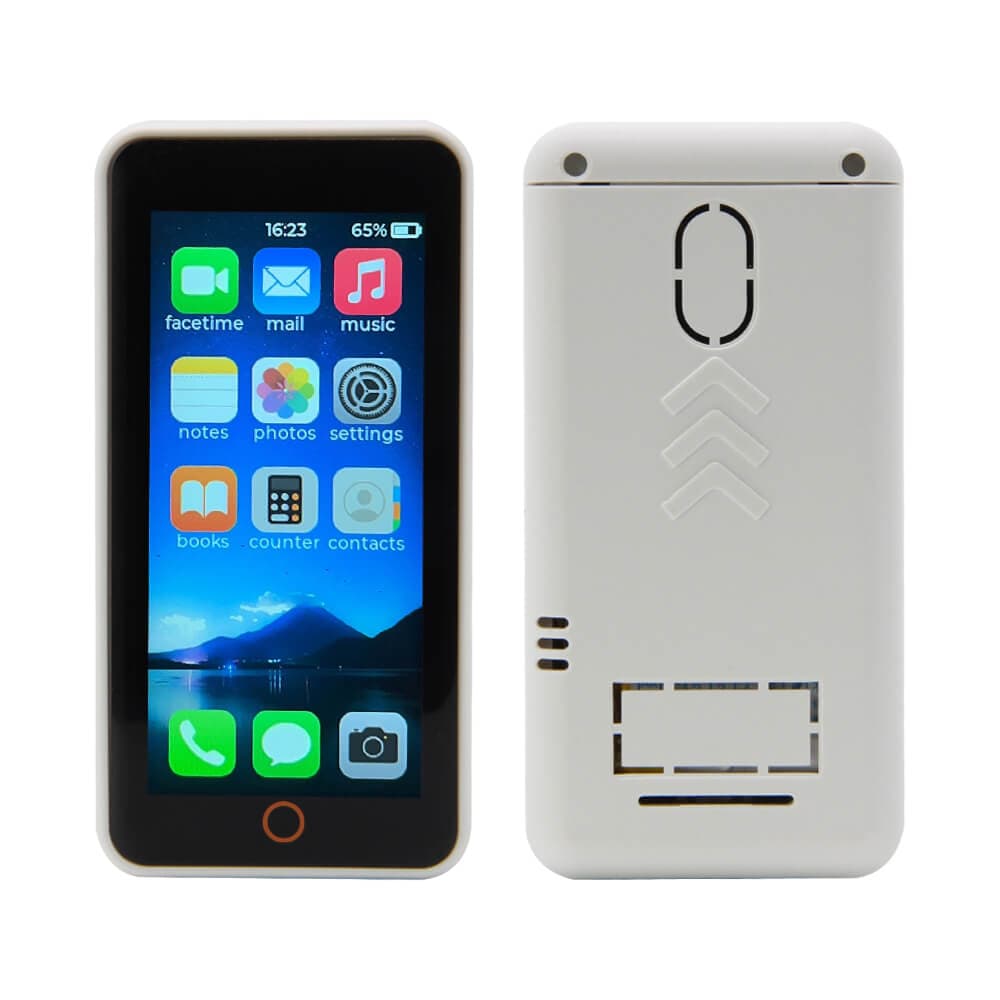
The LILYGO T-Display S3 Pro is an upgraded version of the popular T-Display S3, featuring a larger 2.33-inch IPS TFT LCD (222×480) with capacitive touch. Powered by the ESP32-S3R8 with 16MB flash and 8MB PSRAM, it provides ample resources for complex UI applications.
A key differentiator is the SY6970 battery management IC with USB OTG support, allowing the board to charge a connected phone while running. The board includes an LTR-553ALS ambient light and proximity sensor for smart display management, two QWIIC (I2C) connectors for easy sensor expansion, and a POGOpin camera expansion port supporting optional GC0308 or OV5640 camera modules.
The ABS enclosure accommodates the camera module, making it suitable for projects requiring a display with camera input such as video intercoms, barcode scanners, or smart mirror applications.
Use Cases
2Where to Buy
Explore more of the directory — popular use cases, firmware, and specs to browse next.