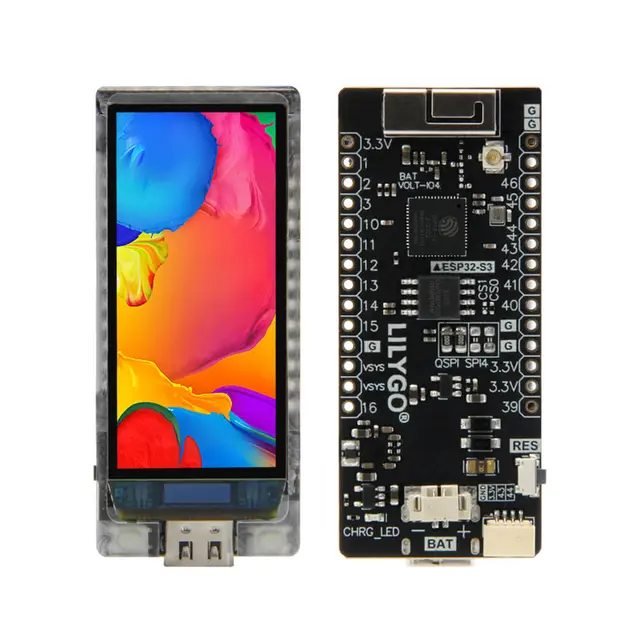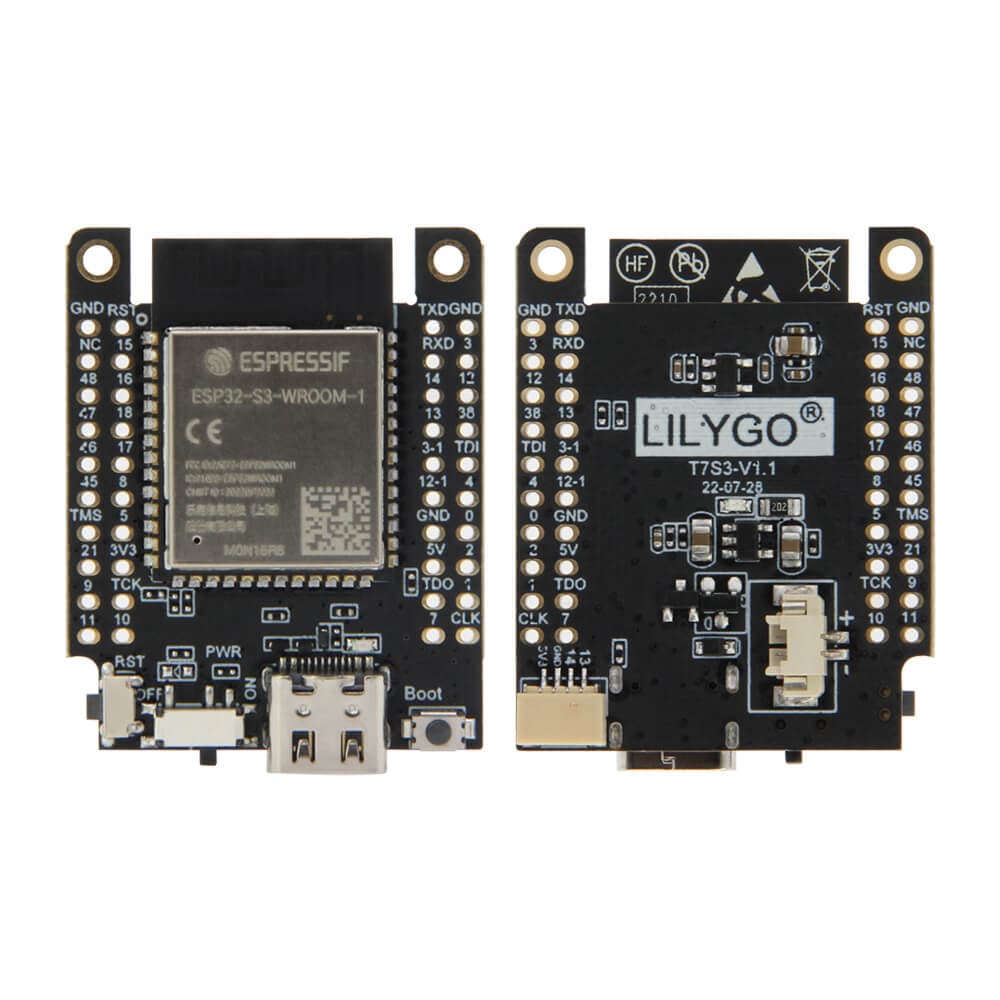
LILYGO T7 S3
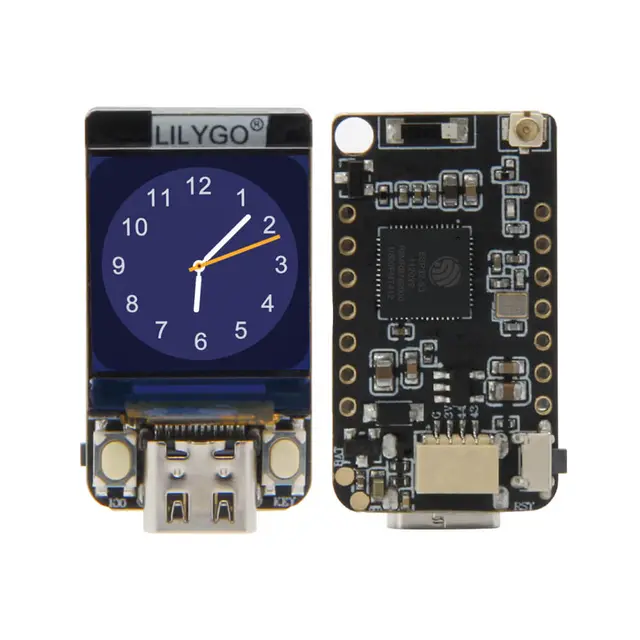
Ultra-affordable ESP32-S3 development board with 16MB flash, 8MB PSRAM, USB 3.0, QWIIC/Stemma QT connector, power switch, and breadboard-compatible pinout at under $8.
$7.93
Tap any value to browse matching devices
Specifications
Certifications
Components
Xtensa LX7 dual-core at 240MHz with 16MB flash, 8MB PSRAM, WiFi 802.11 b/g/n, and BLE 5.0 with Bluetooth Mesh.
Bus Interfaces
GPIO Map
Overview
The LILYGO T7 S3 is LILYGO's most affordable ESP32-S3 development board, priced under $8 while delivering 16MB flash, 8MB PSRAM, and full WiFi + BLE 5.0 connectivity. The compact breadboard-compatible form factor makes it ideal as a drop-in upgrade from older ESP32 or ESP8266 boards.
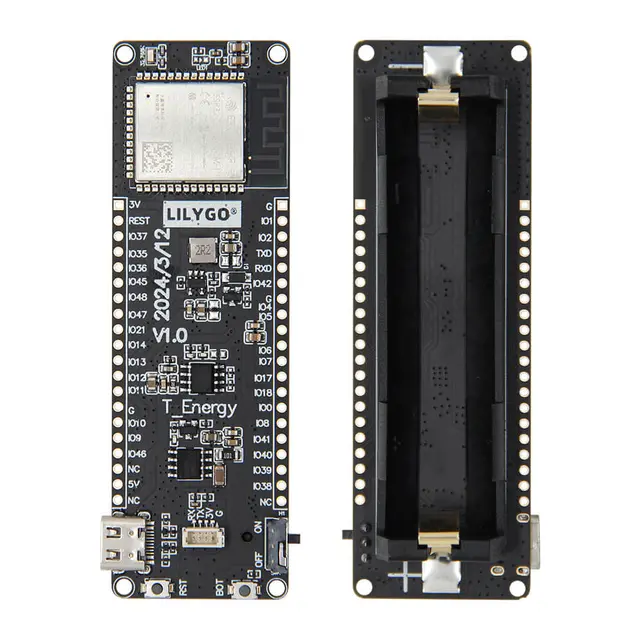
Key convenience features include a USB-C port with USB 3.0 SuperSpeed capability, a hardware power switch for clean on/off without unplugging, a reset button, and an onboard QWIIC/Stemma QT JST-SH 1.0mm connector for immediate I2C sensor attachment without soldering.
The 8MB PSRAM enables applications requiring large buffers — streaming JSON parsing, image processing, or complex web UIs with LittleFS — that would be impossible on smaller boards. ESPHome and Arduino IDE support make this an excellent starting point for Home Assistant sensor nodes and general-purpose IoT prototypes.
Use Cases
2Where to Buy
Explore more of the directory — popular use cases, firmware, and specs to browse next.