LILYGO T-Bao
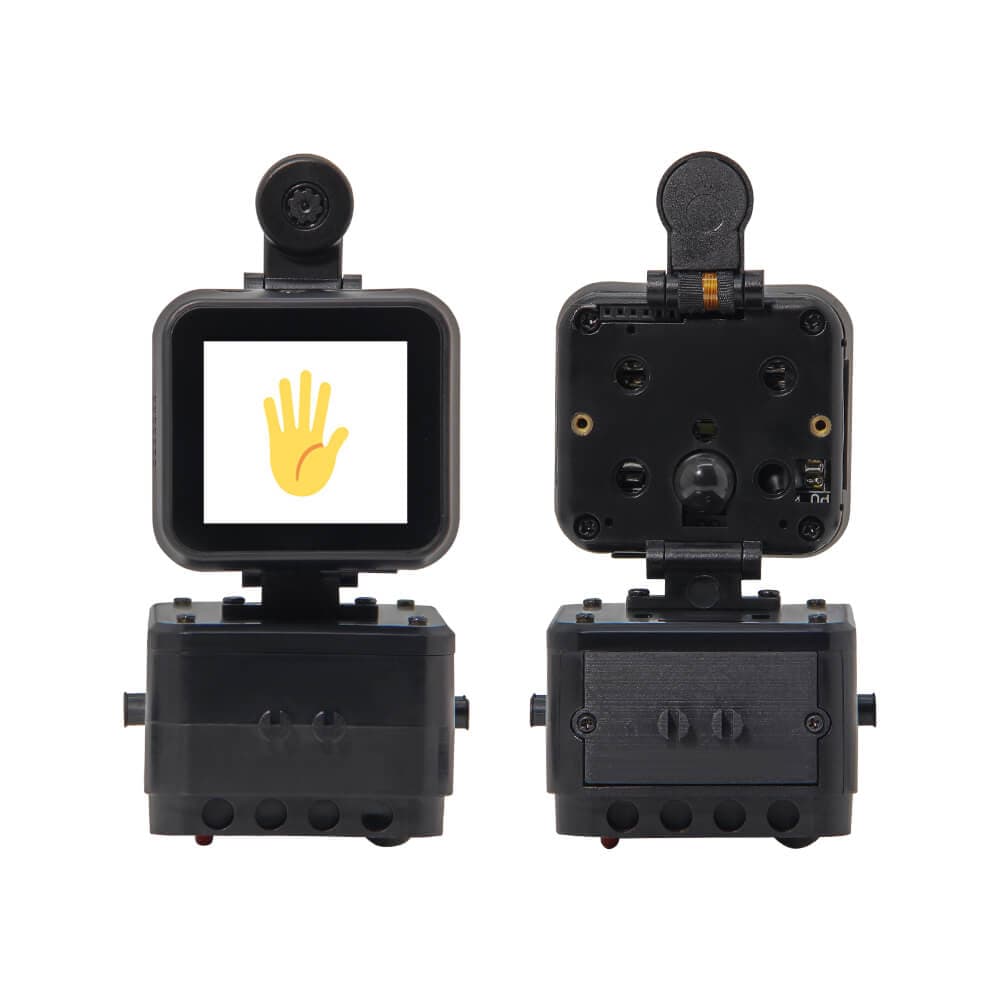
Dual-MCU development board combining ESP32 and KENDRYTE K210 RISC-V AI processor with OV2640 camera, 1.54" IPS touchscreen, I2S audio amplifier, motor driver, 6-axis IMU, and Wi-Fi for edge AI and robotics prototyping.
$80.69
Tap any value to browse matching devices
Specifications
Components
Xtensa LX6 dual-core 240MHz ESP32 with 16MB Flash, 8MB PSRAM, Wi-Fi and Bluetooth 4.2
KENDRYTE K210 RISC-V dual-core 64-bit processor at 400MHz with FPU and KPU for face recognition and neural network inference
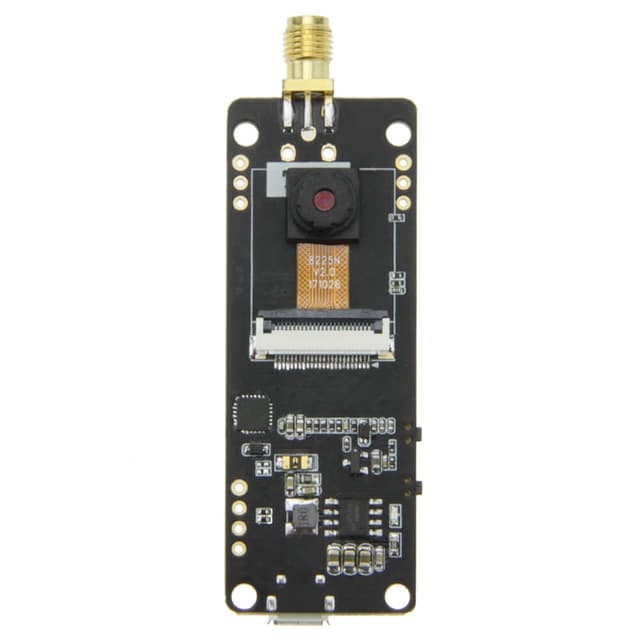
2MP CMOS camera sensor supporting QVGA@60fps and VGA@30fps for face recognition and video capture
1.54-inch 240x240 IPS LCD driver with capacitive touch support
I2S digital audio amplifier outputting 3.2W at 4Ω for speaker drive
6-axis gyroscope and accelerometer with onboard DMP for motion sensing
Dual H-bridge motor driver for DC motor and stepper motor control
Bus Interfaces
Overview
The LILYGO T-Bao is a dual-processor development board combining an ESP32-D0WDQ6-V3 Xtensa LX6 at 240MHz (handling Wi-Fi, Bluetooth, and peripherals) with a Kendryte K210 RISC-V dual-core 64-bit AI processor for real-time machine learning inference, face recognition at QVGA@60fps/VGA@30fps, and FreeRTOS execution. Hardware includes an OV2640 2MP camera, 1.54" IPS capacitive touch LCD (240×240, ST7789 driver), MAX98357A I2S digital audio amplifier (3.2W at 4Ω), DRV8833 motor driver, AXP202 PMU, and 6-axis MPU6050 IMU. Memory is 16MB Flash and 8MB PSRAM. The board measures 53×64mm and is aimed at makers building AI-powered robots, interactive displays, or edge vision systems.
Use Cases
4Security Camera
WiFi-connected camera for surveillance, motion detection, and remote video monitoring.
IoT
Internet of Things applications including connected sensors, actuators, and smart devices that communicate over WiFi, BLE, LoRa, or other wireless protocols.
Voice Assistant
Offline and cloud-connected voice assistant, wake-word detection, and speech recognition projects.
Smart Home
Home automation devices for controlling lighting, climate, security, and appliances.
Resources
Where to Buy
Explore more of the directory — popular use cases, firmware, and specs to browse next.