WiFi Devboard for Flipper Zero
ESP32-S2-based WiFi development board for Flipper Zero enabling wireless firmware updates, Black Magic Probe debugging over USB and WiFi, and WiFi pentesting with PMKID capture and deauth capabilities.
$35.00
Tap any value to browse matching devices
Specifications
Components
Bus Interfaces
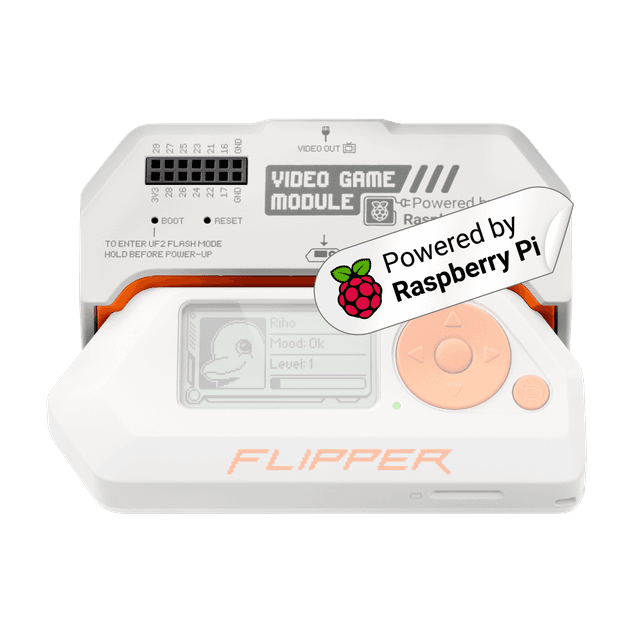
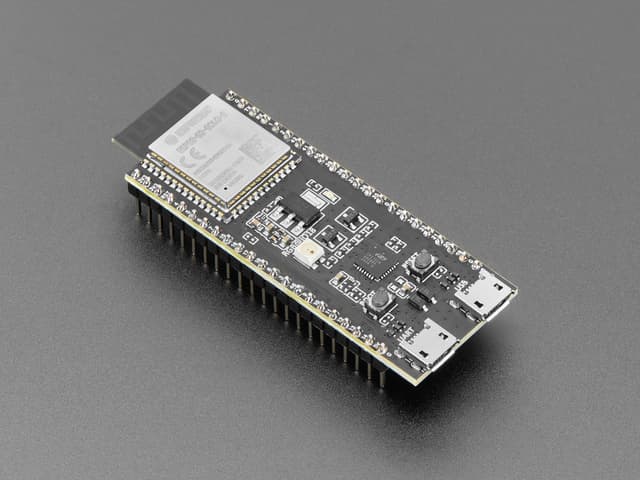
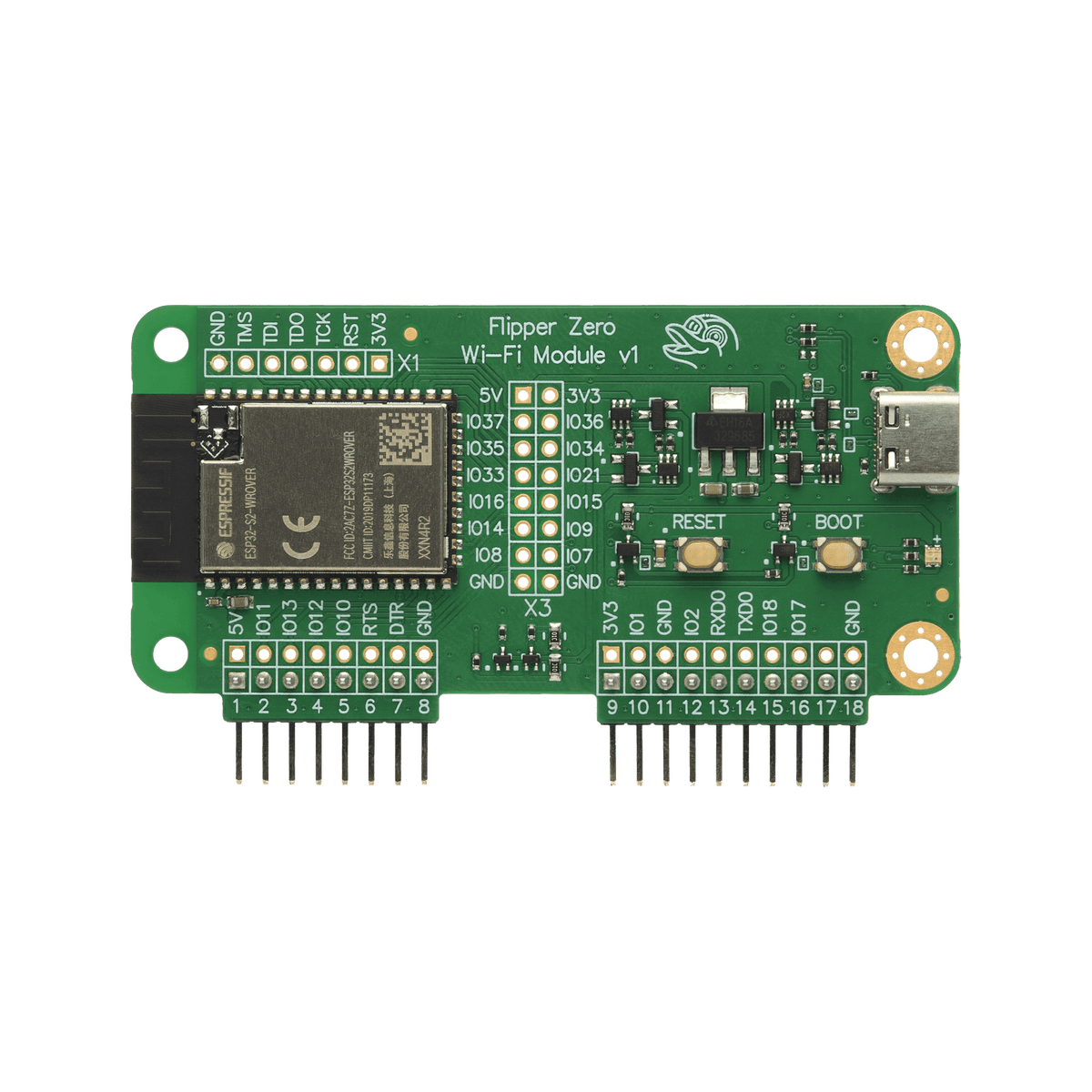
The WiFi Devboard for Flipper Zero is an ESP32-S2-powered expansion board that adds WiFi connectivity to the Flipper Zero multi-tool. Designed by Flipper Devices, it plugs directly into the Flipper Zero's GPIO header and unlocks wireless firmware updates, eliminating the need for a USB cable during development. The board runs the Black Magic Probe open-source debugger firmware, enabling advanced in-circuit debugging of the Flipper Zero's STM32 microcontroller via both USB and WiFi interfaces.
Beyond development workflows, the WiFi Devboard serves as a platform for WiFi security research and penetration testing. With compatible firmware like ESP32 Marauder, it can perform PMKID hash capture, deauthentication attacks, and wireless network scanning — making it a versatile tool for security professionals and researchers. The board can also connect the Flipper Zero to the internet, opening up possibilities for remote control and cloud-based features.
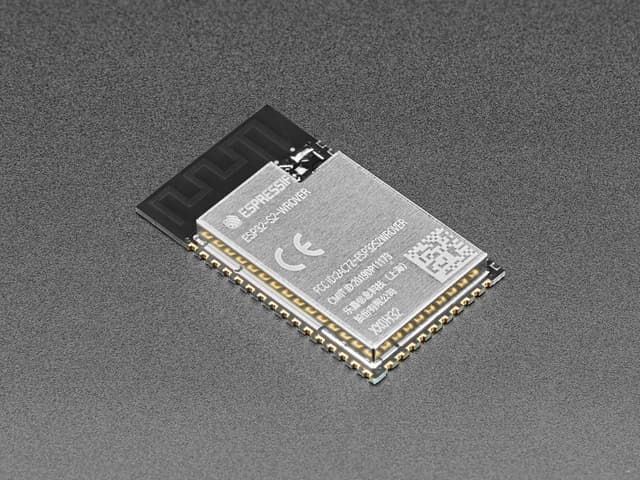
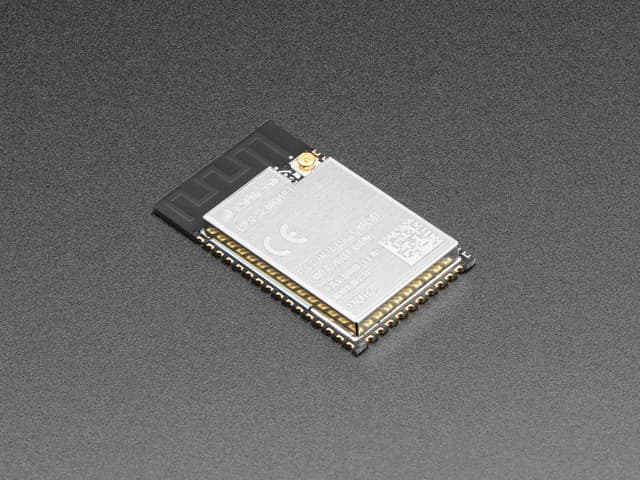
The hardware is built around Espressif's ESP32-S2 single-core Xtensa LX7 microcontroller running at 240MHz, featuring 320KB SRAM, 4MB flash, and 802.11 b/g/n WiFi. It connects to the Flipper Zero via the GPIO header and includes a USB-C port for direct programming and power. The entire Flipper ecosystem is open source under GPL-3.0, with schematics and firmware publicly available on GitHub, encouraging community contributions and custom firmware development.
Use Cases
5WiFi Pentesting
Wireless network security testing including PMKID capture, deauthentication attacks, and WiFi vulnerability scanning.
Debugging
In-circuit debugging of microcontrollers via USB or wireless interfaces using protocols like SWD and JTAG.
Firmware Development
Development and wireless flashing of firmware for embedded devices and microcontrollers.
Security Research
Hardware and wireless security research, vulnerability analysis, and penetration testing.
IoT
Internet of Things applications including connected sensors, actuators, and smart devices that communicate over WiFi, BLE, LoRa, or other wireless protocols.
Resources
Where to Buy
Explore more of the directory — popular use cases, firmware, and specs to browse next.