Adafruit QT Py ESP32 Pico
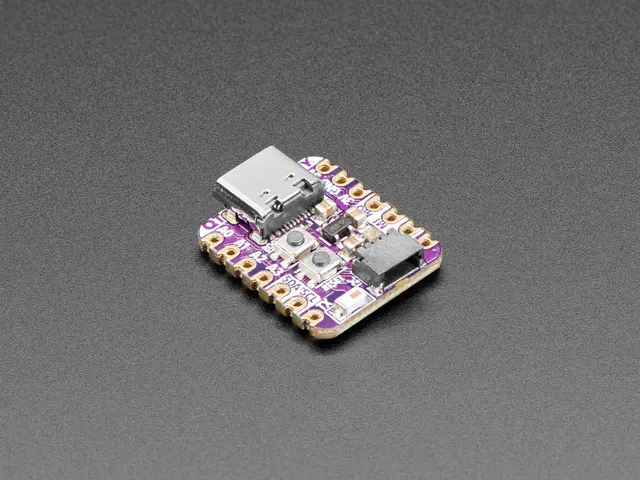
QT Py-sized classic ESP32 board with ESP32-PICO-V3-02, 8 MB flash, 2 MB PSRAM, WiFi, dual-core, Bluetooth Classic + BLE, STEMMA QT, and 13 GPIO — without native USB.
$14.95
Tap any value to browse matching devices
Specifications
Components
Bus Interfaces
GPIO Map
Overview
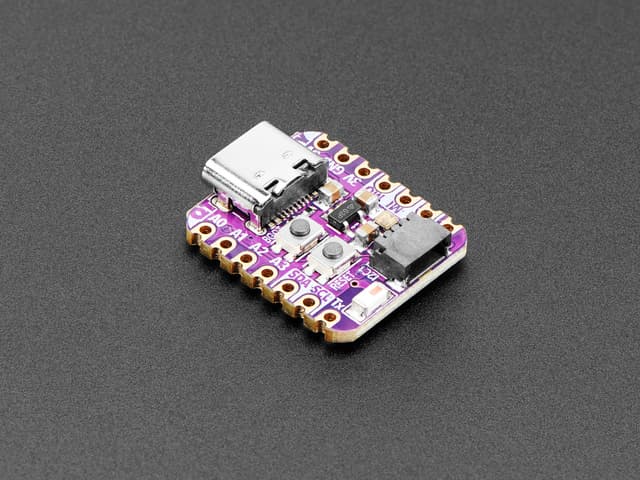
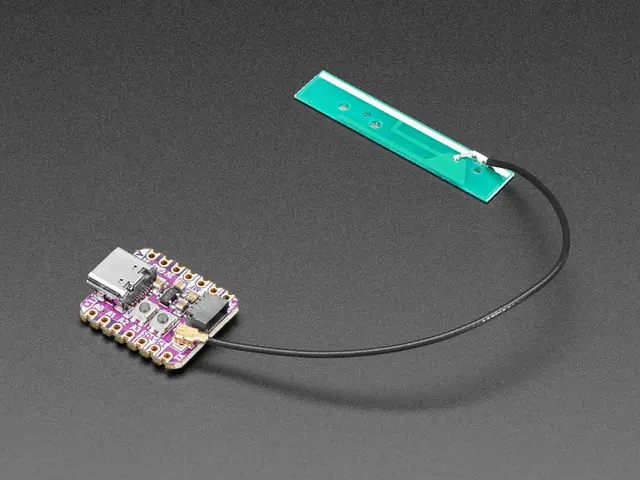
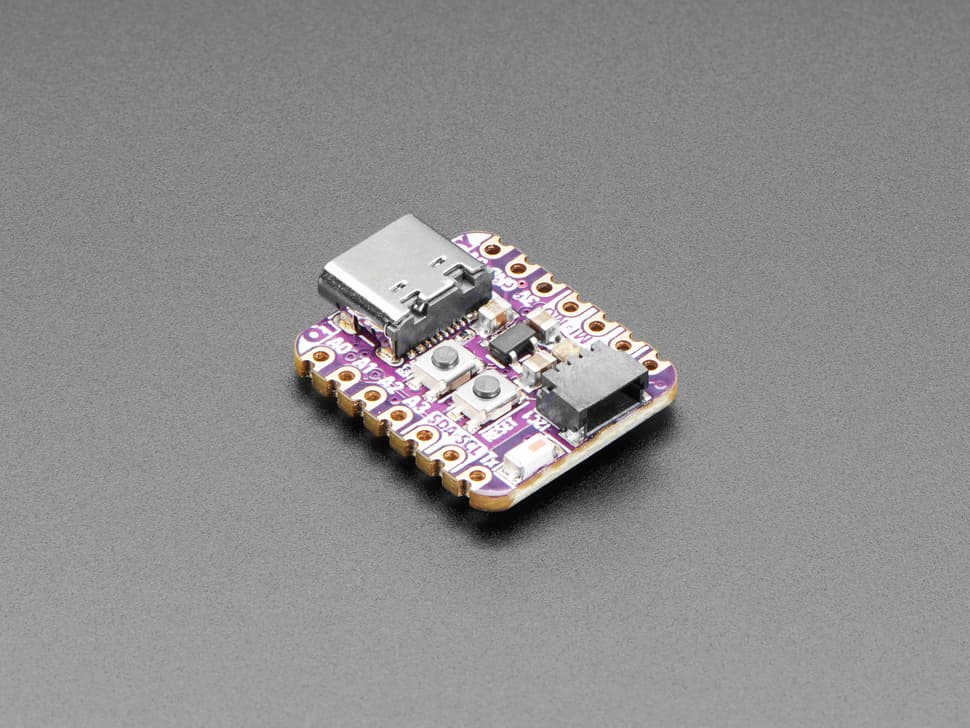
The Adafruit QT Py ESP32 Pico brings the full dual-core classic ESP32 — with both WiFi and Bluetooth Classic + BLE — into the tiny QT Py / Seeed XIAO footprint at 22 × 17.9 mm. The ESP32-PICO-V3-02 SiP integrates 8 MB of Flash and 2 MB of PSRAM directly into the package, keeping the board footprint minimal while providing substantial memory.
Unlike the ESP32-S2 and ESP32-S3 QT Py variants, this board uses a traditional USB-to-serial bridge (the CP2102N) rather than native USB. This means it won't appear as a keyboard or mass-storage device, but it is immediately compatible with the Arduino IDE and every ESP32 example out of the box without any special driver setup on most modern operating systems.
WiFi (2.4 GHz 802.11 b/g/n) and Bluetooth 4.2 Classic + BLE are both available, making this the right QT Py choice for projects that need classic Bluetooth audio or serial profiles in addition to BLE. Eight capacitive touch inputs are accessible in CircuitPython, and 10 × 12-bit ADC inputs plus dual 8-bit DAC outputs round out the analogue capability.
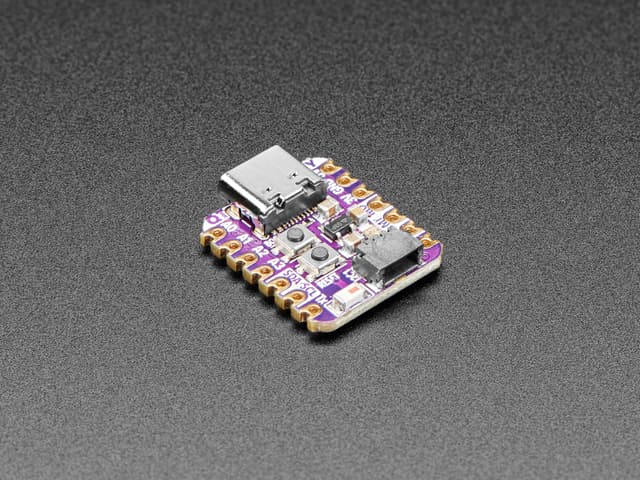
A STEMMA QT I2C connector with switchable power, a NeoPixel RGB LED, Reset button, and GPIO 0 boot button complete the package. Castellated pads allow the board to be soldered directly to a carrier PCB for production integration.
Use Cases
3IoT
Internet of Things applications including connected sensors, actuators, and smart devices that communicate over WiFi, BLE, LoRa, or other wireless protocols.
Smart Home
Home automation devices for controlling lighting, climate, security, and appliances.
Wearable
Body-worn computing devices including smartwatches, fitness bands, and health monitors.
Where to Buy
Available Software
2Explore more of the directory — popular use cases, firmware, and specs to browse next.