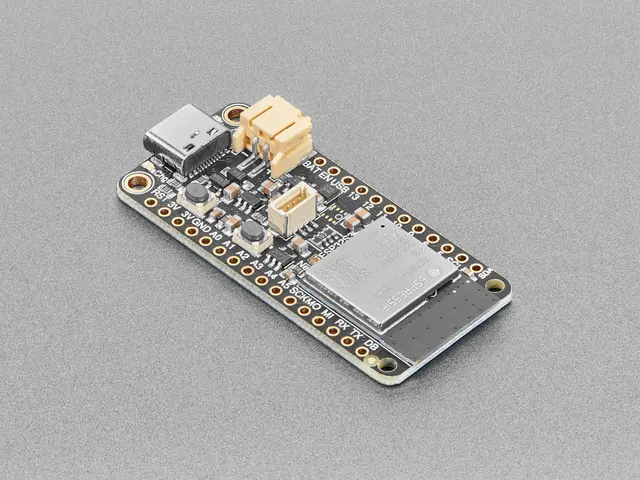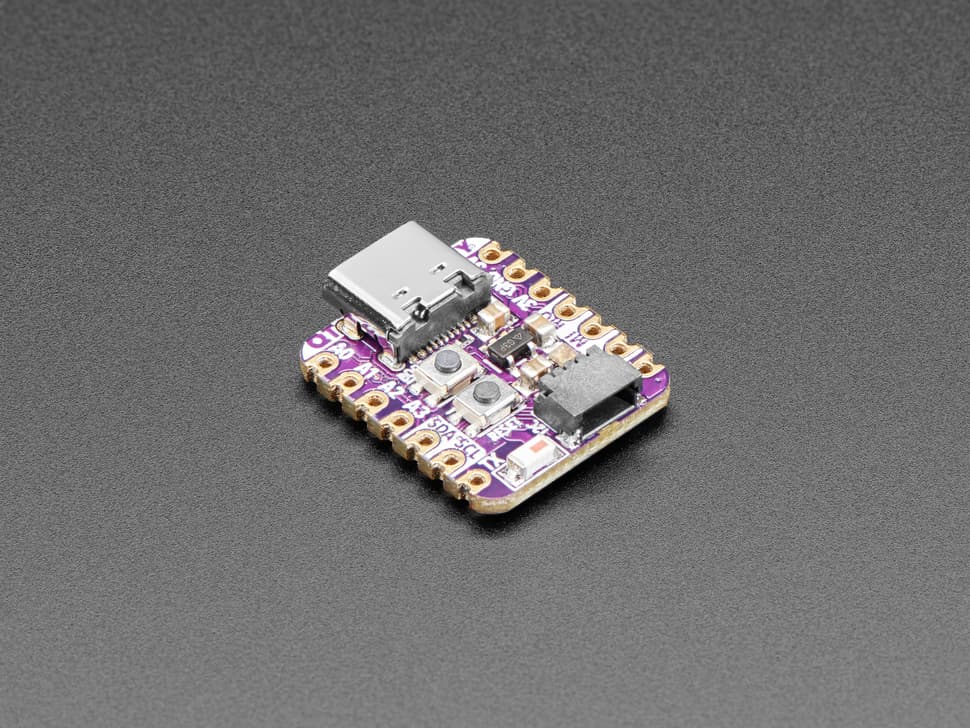
Adafruit QT Py ESP32-C3
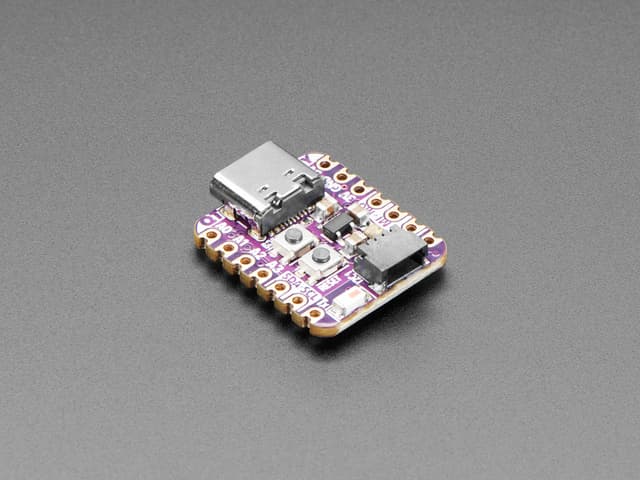
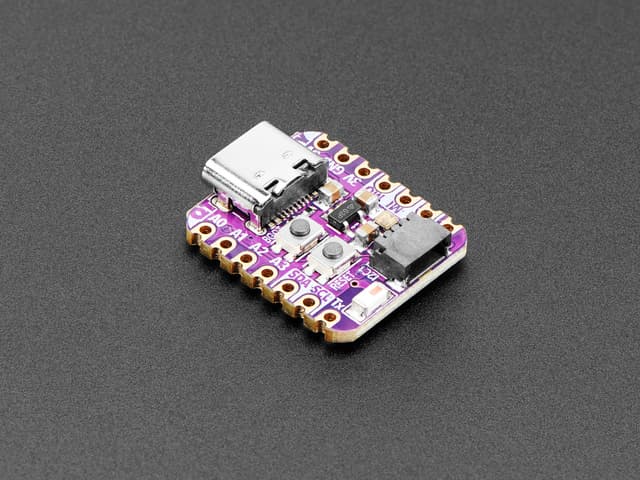
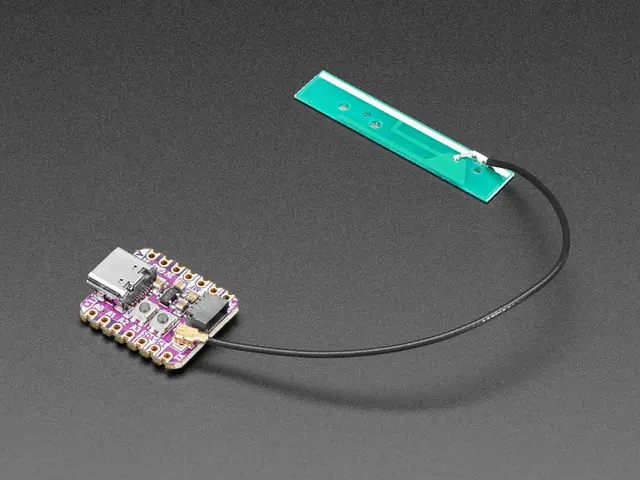
Tiny RISC-V ESP32-C3 dev board in the QT Py / Seeed XIAO footprint with 4 MB flash, WiFi, BLE 5 with Mesh, STEMMA QT, 13 GPIO, 5 ADC inputs, and USB-C — no native USB.
$9.95
Tap any value to browse matching devices
Specifications
Components
Bus Interfaces
GPIO Map
Overview
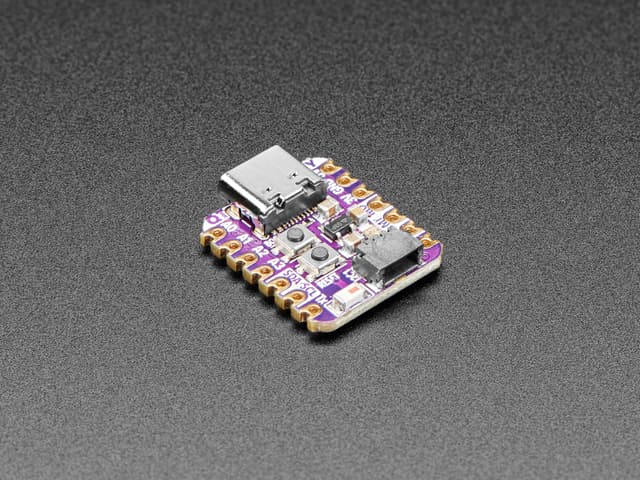
The Adafruit QT Py ESP32-C3 brings the RISC-V ESP32-C3 microcontroller into the compact QT Py / Seeed XIAO form factor at 22 × 17.8 mm. Despite being the most affordable QT Py WiFi variant, it includes both WiFi (2.4 GHz) and Bluetooth Low Energy 5.0 with Mesh support — making it the smallest and cheapest board in the QT Py line with full BLE.
The ESP32-C3 uses a 32-bit single-core RISC-V architecture at 160 MHz, which is more power-efficient than the Xtensa cores in the ESP32 family. This makes the QT Py ESP32-C3 a strong choice for always-on BLE beacons or sensors that need to run for months on a small battery. Deep sleep current sits at around 300 µA and light sleep at 500 µA.
A STEMMA QT / Qwiic connector provides instant I2C sensor integration, and five 12-bit ADC inputs (A0–A3, SDA) cover typical analogue sensing needs. PWM is available on any pin. Unlike the ESP32-S2/S3 variants, the C3 uses a USB-to-UART bridge rather than native USB, so it is not natively HID-capable but is fully compatible with the Arduino IDE without any extra setup.
Hardware I2S enables audio input/output, and a hardware UART plus SPI bus are exposed on the breakout pads. The board is compatible with CircuitPython, MicroPython, and Arduino. A NeoPixel RGB LED with power-control pin, Reset button, and GPIO 9 bootloader button are included.
Use Cases
3IoT
Internet of Things applications including connected sensors, actuators, and smart devices that communicate over WiFi, BLE, LoRa, or other wireless protocols.
Smart Home
Home automation devices for controlling lighting, climate, security, and appliances.
Wearable
Body-worn computing devices including smartwatches, fitness bands, and health monitors.
Where to Buy
Available Software
2Explore more of the directory — popular use cases, firmware, and specs to browse next.