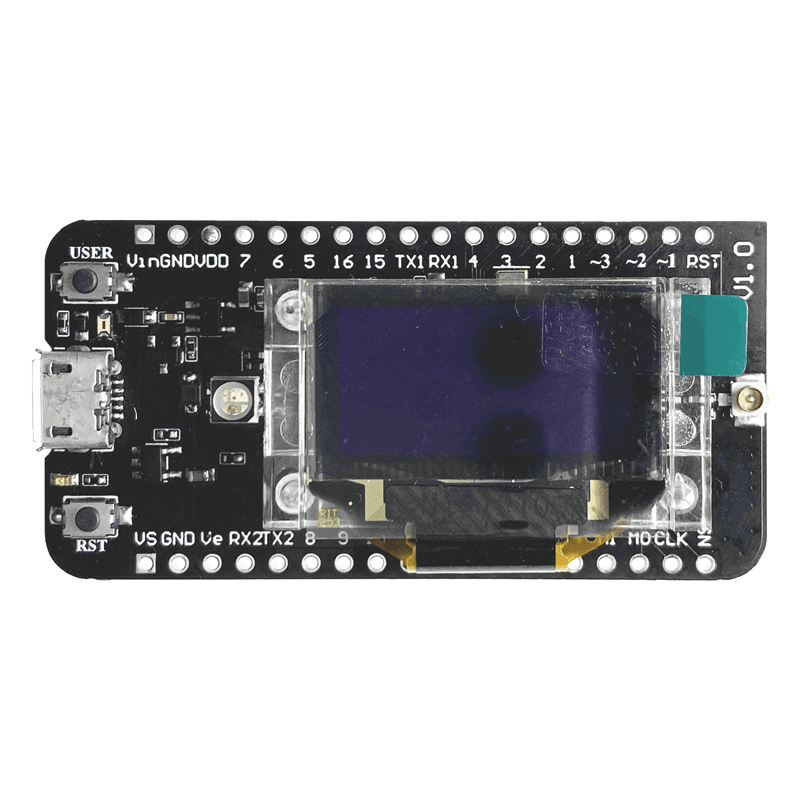
Heltec CubeCell GPS-6502 (HTCC-AB02S)
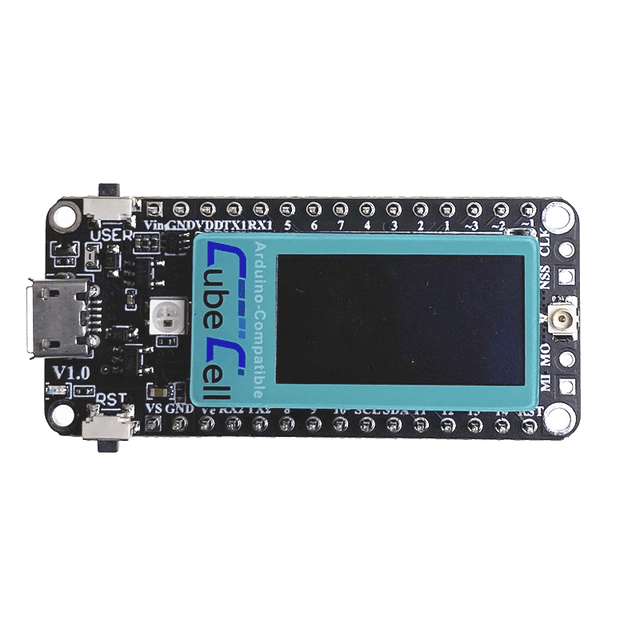
LoRa + GPS development board based on ASR6502 SiP (ARM Cortex-M0+ with SX1262), featuring integrated AIR530Z GPS/BeiDou module, 0.96" OLED display, solar charging, and ultra-low 21uA deep sleep current for long-range IoT tracking applications.
$25.90
Tap any value to browse matching devices
Specifications
Certifications
Components
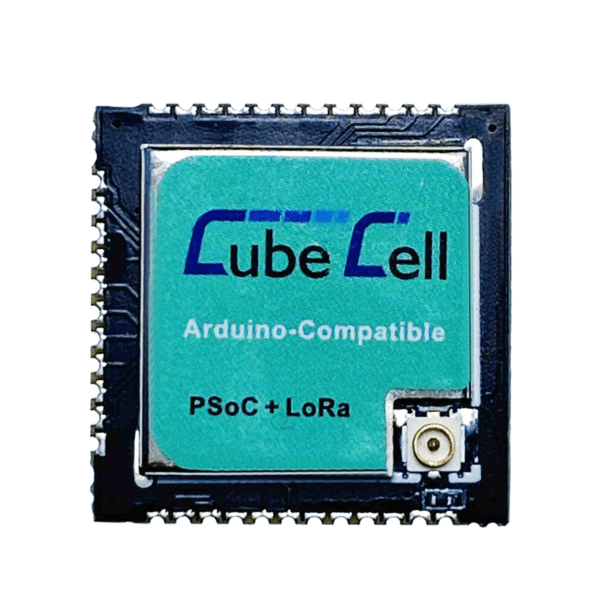
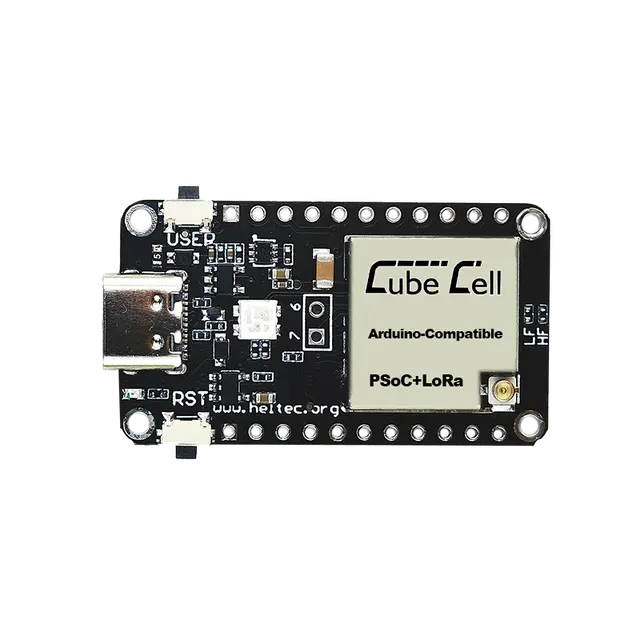
System-in-Package integrating ARM Cortex-M0+ MCU at 48MHz with Semtech SX1262 LoRa transceiver, 128KB flash, 16KB SRAM, and 8-channel DMA. Supports LoRaWAN 1.0.2 with 22dBm TX power and -135dBm RX sensitivity.
Semtech SX1262 long-range, low-power sub-GHz RF transceiver supporting LoRa and (G)FSK modulations across 150-960MHz ISM bands. +22dBm TX power, -135dBm sensitivity, 4.2mA active receive current.
Integrated GNSS positioning module supporting GPS, BeiDou, Galileo, GLONASS, and QZSS with 31uA standby current, 4s warm start, 30s cold boot, and sub-10m positioning accuracy via UART interface.
SSD1306 OLED display driver controlling the onboard 0.96-inch 128x64 dot matrix monochrome OLED via I2C interface (SCL0/SDA0). Provides status display for GPS coordinates, LoRa signal, and sensor data.
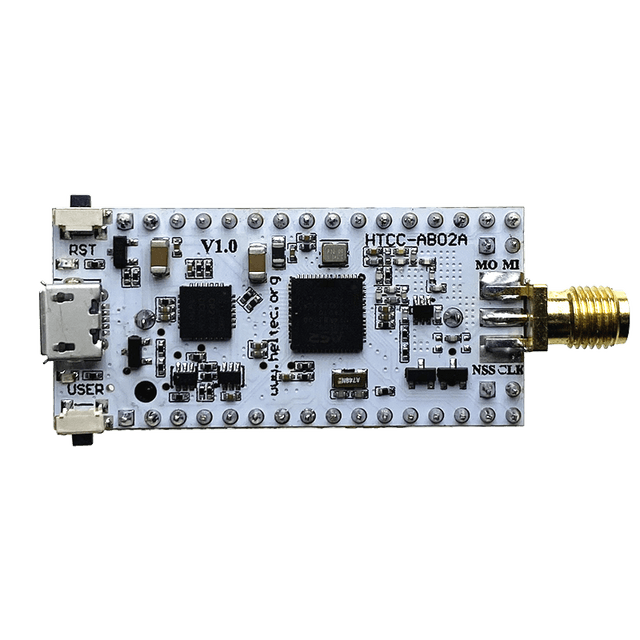
Silicon Labs CP2102 USB-to-UART bridge IC providing serial communication between the board and a computer via Micro-USB for programming and debugging.
Bus Interfaces
GPIO Map
Overview
The Heltec CubeCell GPS-6502 (HTCC-AB02S) is a compact LoRa development board built around the ASR6502 System-in-Package, which integrates an ARM Cortex-M0+ MCU running at 48MHz with a Semtech SX1262 LoRa transceiver. It is designed for long-range, low-power GPS tracking and environmental monitoring applications where battery life and range are critical.
What sets the HTCC-AB02S apart from basic LoRa dev boards is its integrated AIR530Z multi-constellation GNSS module (GPS/BeiDou/Galileo/GLONASS) and a 0.96-inch 128x64 OLED display, making it a complete GPS tracker platform out of the box. The board supports triple power input — Micro-USB, 3.7V LiPo battery with integrated charge management, and 5.5-7V solar panel input — enabling truly autonomous field deployments.
With a deep sleep current of just 21uA and full LoRaWAN 1.0.2 protocol support, the board excels in remote IoT scenarios like asset tracking, APRS position reporting, agricultural field monitoring, and geofence alerting. The CubeCell-Arduino framework provides full Arduino IDE compatibility, and the board is also supported by PlatformIO and the Helium network, making it accessible to both hobbyists and professional IoT developers.
Use Cases
8GPS Tracking
Location tracking and navigation using GNSS satellite receivers.
Asset Tracking
Tracking the location and status of physical assets like vehicles, packages, and equipment.
LoRaWAN Node
A LoRaWAN end device that transmits sensor data to a LoRaWAN gateway for long-range, low-power IoT applications.
APRS Tracker
An Automatic Packet Reporting System (APRS) tracker that transmits GPS position reports over LoRa or amateur radio for real-time location sharing.
LoRa IoT
IoT applications using LoRa radio for long-range, low-power sensor connectivity.
Field Sensor Node
A remote LoRa-connected sensor node deployed in agricultural fields, forests, or industrial sites for long-range environmental data collection.
Solar-Powered IoT Node
An IoT sensor or communication node powered by solar panels for maintenance-free outdoor deployments.
Virtual Fence / Geofence Alert
A geofencing system that alerts when a tracked subject leaves a predefined virtual boundary, using GPS and LoRa or cellular connectivity.
Resources
Where to Buy

Explore more of the directory — popular use cases, firmware, and specs to browse next.