ESP32-S3-DevKitM-1
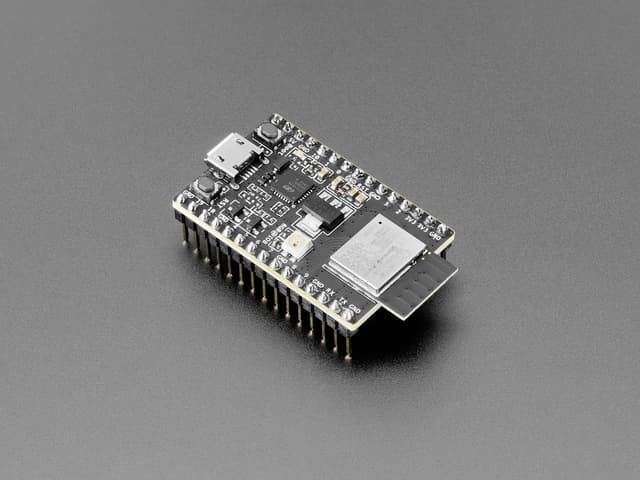
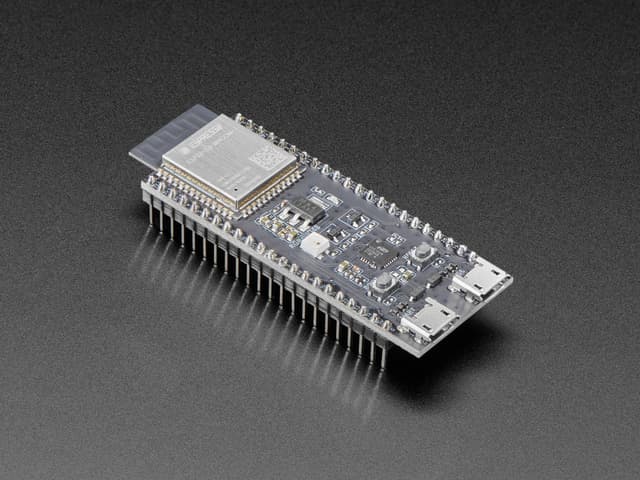
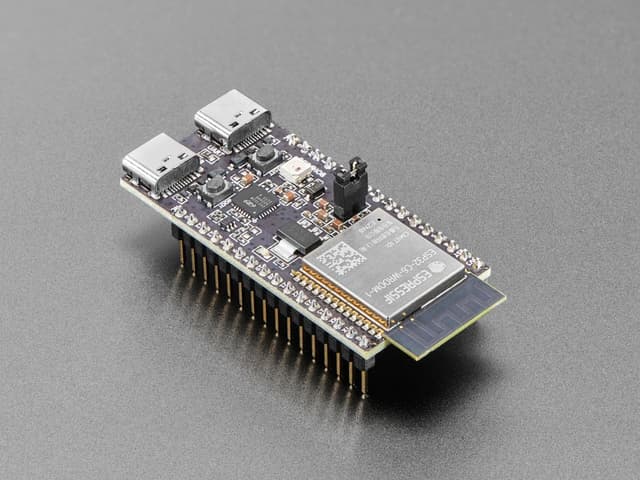
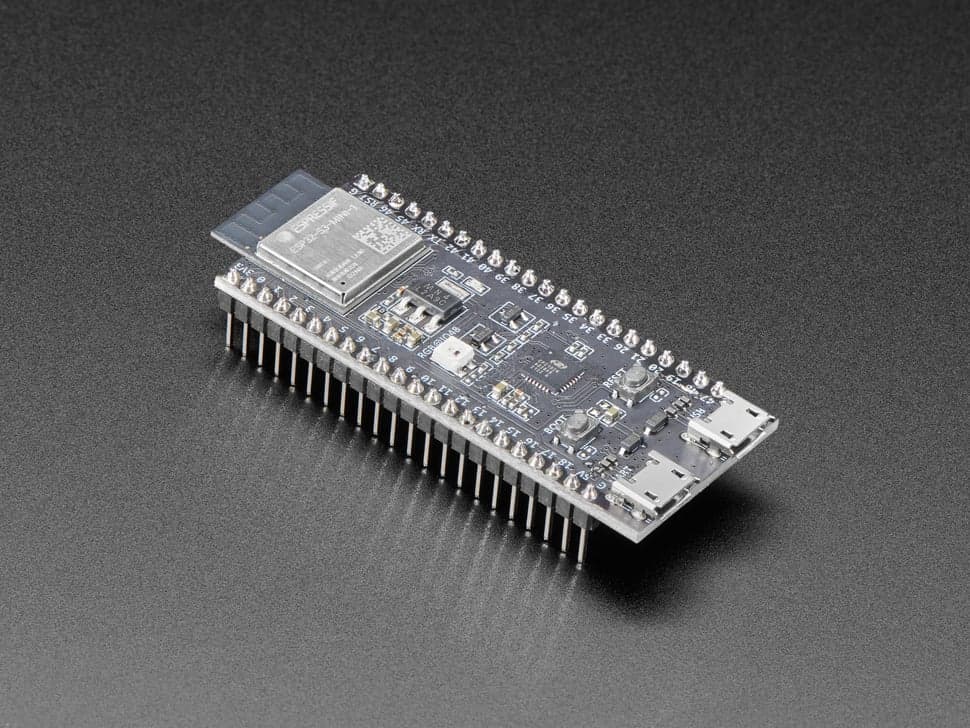
Espressif official ESP32-S3 development board using the compact ESP32-S3-MINI-1 module, with dual-core 240 MHz LX7, 8 MB flash, up to 45 GPIO, dual USB ports, and smaller footprint than the WROOM-1.
$15.95
Tap any value to browse matching devices
Specifications
Components
Espressif ESP32-S3-MINI-1 compact module with dual-core 240 MHz Xtensa LX7, 8 MB Flash, WiFi, and BLE 5, in a smaller package than WROOM-1.
Bus Interfaces
GPIO Map
Overview
The ESP32-S3-DevKitM-1 is the DevKit variant using the more compact ESP32-S3-MINI-1 module, which features an embedded PCB antenna in a smaller package compared to the WROOM-1. The core silicon is identical: a dual-core 240 MHz Xtensa LX7 ESP32-S3 with WiFi and BLE 5, but without PSRAM in the N8 variant — making it the leanest configuration for cost-sensitive designs that don't need the extra RAM.
Like the DevKitC-1, the DevKitM-1 provides two USB ports — one UART/debug and one native USB OTG — so you can upload new firmware while keeping a serial connection open. Up to 45 GPIO pins are available, covering the same wide peripheral set: SPI, LCD, camera interface, I2C, I2S, UART, TWAI, ADC, touch sensor, and temperature sensor.
The MINI-1 module's smaller footprint makes the DevKitM-1 better suited for evaluating designs that will ultimately use the compact module in production, where board space is at a premium. An addressable RGB LED, reset button, and boot button are provided for development convenience.
ESP-IDF is the primary toolchain; Arduino support for the ESP32-S3 was still maturing at the time of this board's release, with full support arriving in later Arduino-ESP32 core releases.
Use Cases
2Resources
Where to Buy
Available Software
2Explore more of the directory — popular use cases, firmware, and specs to browse next.