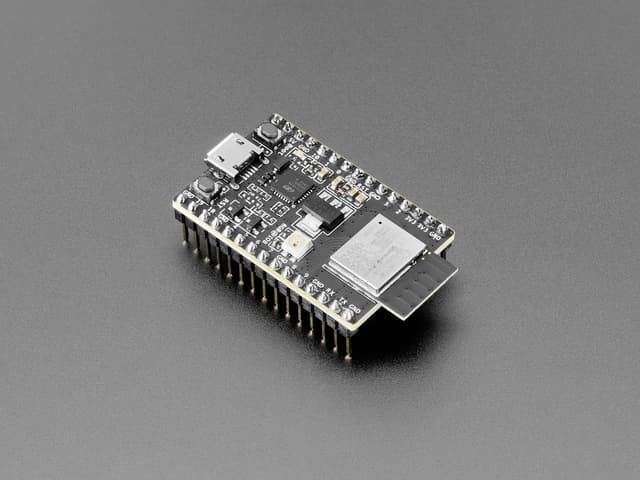
ESP32-C3-DevKit-RUST-2
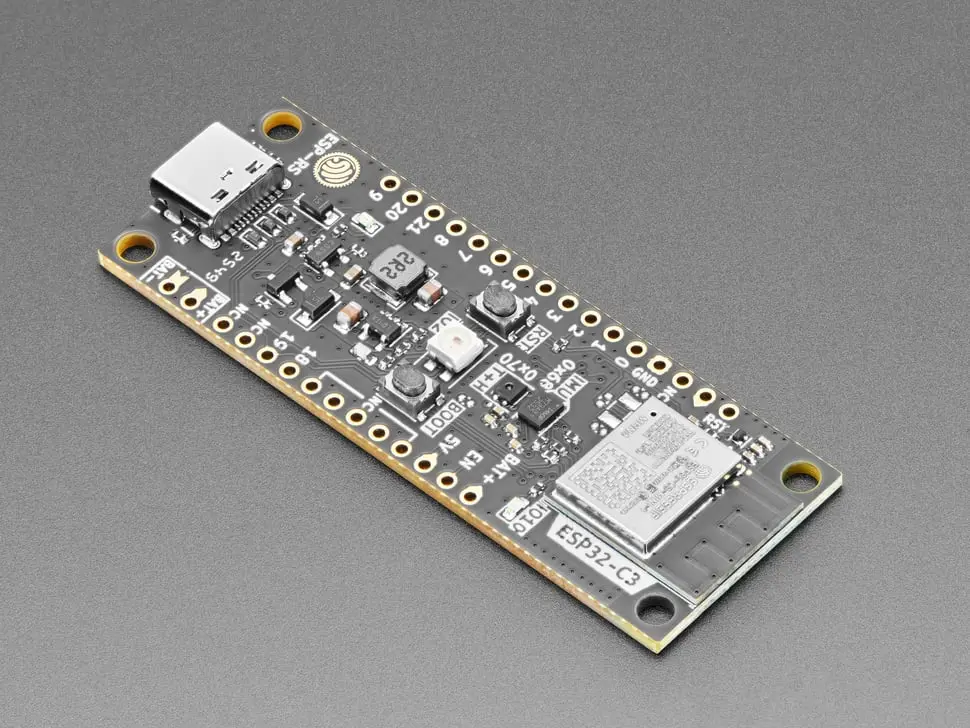
Espressif RISC-V dev board optimized for Rust programming, featuring ESP32-C3-MINI-1 with 4MB flash, Wi-Fi, BT5, onboard ICM-42670-P IMU, SHTC3 temperature/humidity sensor, and USB-C.
$19.95
Tap any value to browse matching devices
Specifications
Certifications
Components
Bus Interfaces
GPIO Map
Overview
The ESP32-C3-DevKit-RUST-2 is a development board from Espressif designed specifically for embedded Rust programming education and exploration, though it is equally usable with Arduino and ESP-IDF. It is built around the ESP32-C3-MINI-1 module — a compact SIP (System-in-Package) with a RISC-V single-core processor at up to 160 MHz, 4 MB SPI flash, Wi-Fi 4 (802.11 b/g/n), and Bluetooth 5 with mesh support.
What sets this board apart from other ESP32-C3 devkits is the inclusion of two onboard sensors: the TDK InvenSense ICM-42670-P 6-DoF IMU (accelerometer + gyroscope) and the Sensirion SHTC3 digital temperature and humidity sensor. A Li-Ion battery charger is also integrated. These components make it immediately useful for environmental and motion sensing projects without any additional hardware.
The USB Type-C connector provides native USB Full Speed Serial/JTAG from the ESP32-C3 itself, eliminating the need for a separate UART bridge chip and streamlining the programming workflow. With 22 programmable GPIO pins, 2× 12-bit ADC (up to 6 channels), dual SPI, dual UART, I2C, I2S, and TWAI, the board covers all common embedded peripherals. The RUST-2 revision changed the user LED GPIO from 7 to 10.
Use Cases
5IoT
Internet of Things applications including connected sensors, actuators, and smart devices that communicate over WiFi, BLE, LoRa, or other wireless protocols.
Prototyping
Rapid hardware prototyping and proof-of-concept development with breadboard-friendly form factors and accessible development environments.
Education
Teaching programming, electronics, and computer science concepts. Popular in schools, universities, and coding bootcamps.
Rust Programming
Embedded Rust development, with support for the Rust embedded ecosystem and cargo-based toolchains.
sensors
Resources
Where to Buy
Explore more of the directory — popular use cases, firmware, and specs to browse next.