Adafruit Metro Mini 328 V2
Breadboard-friendly ATmega328P Arduino-compatible board at 16 MHz, 5V, with USB-C, STEMMA QT I2C port, 32KB flash, and CP2102N USB-serial chip — a compact modern drop-in for the Arduino UNO.
$14.95
Tap any value to browse matching devices
Specifications
Components
8-bit AVR RISC microcontroller at 16 MHz, 32KB flash, 2KB SRAM, 1KB EEPROM with Optiboot bootloader
Silicon Labs CP2102N USB-to-UART bridge for programming and serial communication
Bus Interfaces
GPIO Map
Overview
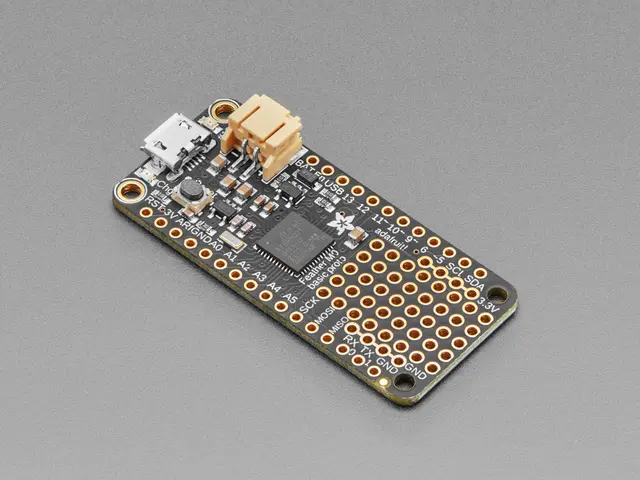
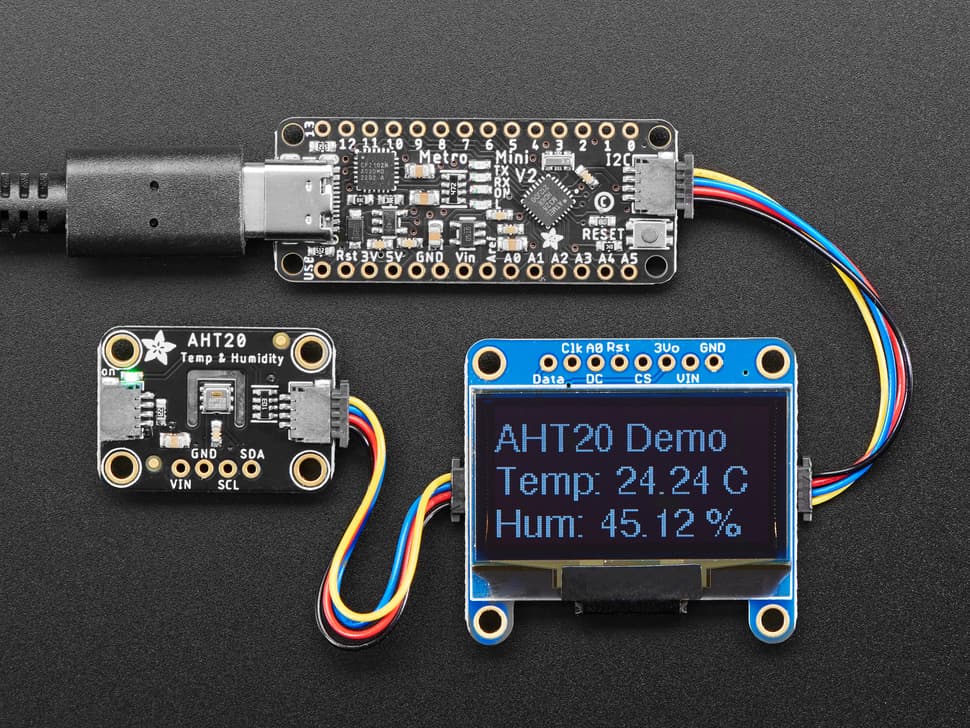
The Adafruit Metro Mini 328 V2 is a compact, breadboard-compatible Arduino-compatible board based on the ATmega328P running at 16 MHz at 5V. The V2 redesign brought significant modern improvements: a USB Type-C port, an updated CP2102N USB-to-serial chip for better driver compatibility, and a JST SH 4-pin STEMMA QT connector for plug-and-play I2C sensor interfacing.
Measuring just 44.3 × 17.8 mm, the Metro Mini is smaller than the full-sized METRO 328 while providing the same core ATmega328P capabilities: 32KB flash (31.5KB usable after bootloader), 2KB SRAM, 20 digital GPIO, 6 analog inputs, and hardware UART/SPI/I2C. The Optiboot bootloader makes it select "Arduino UNO" in the IDE for immediate compatibility with all standard libraries and shields (though physically it doesn't accept shields).
Power is delivered via USB-C or through the Vin pin (6-16V). The onboard 5V regulator outputs up to 150mA, with a separate 3.3V regulator providing 500mA. A solder jumper allows conversion to 3.3V logic. Four indicator LEDs (power, RX, TX, and pin 13) and a reset button complete the user interface.
The STEMMA QT connector enables daisy-chaining I2C sensors and displays without soldering, making the Metro Mini V2 particularly convenient for sensor-rich projects in a small form factor. PCB design files are available on GitHub under open source licenses.
Use Cases
5Prototyping
Rapid hardware prototyping and proof-of-concept development with breadboard-friendly form factors and accessible development environments.
Education
Teaching programming, electronics, and computer science concepts. Popular in schools, universities, and coding bootcamps.
IoT
Internet of Things applications including connected sensors, actuators, and smart devices that communicate over WiFi, BLE, LoRa, or other wireless protocols.
maker
sensor-projects
Resources
Where to Buy
Explore more of the directory — popular use cases, firmware, and specs to browse next.