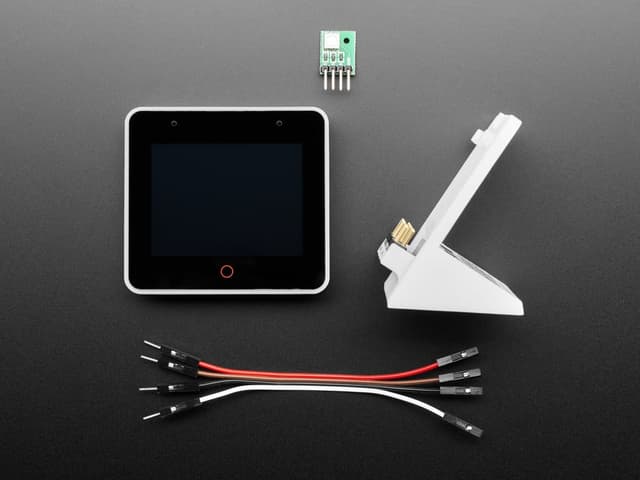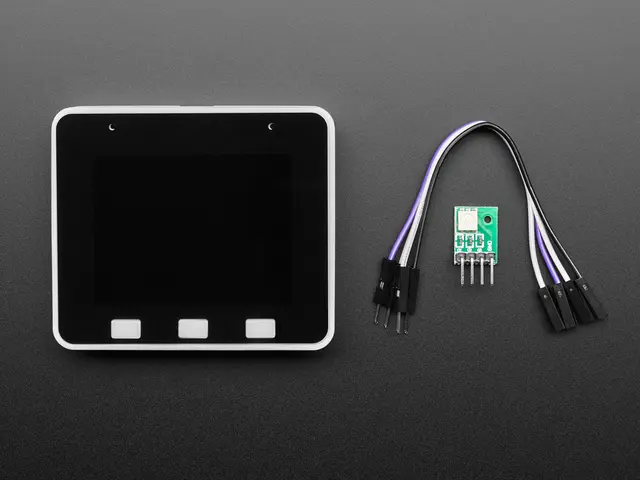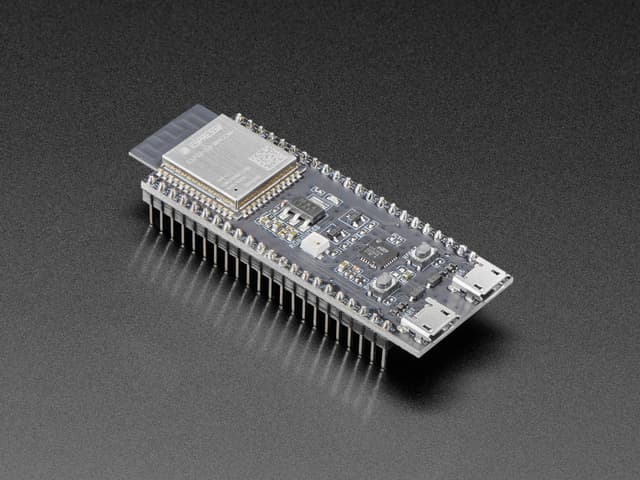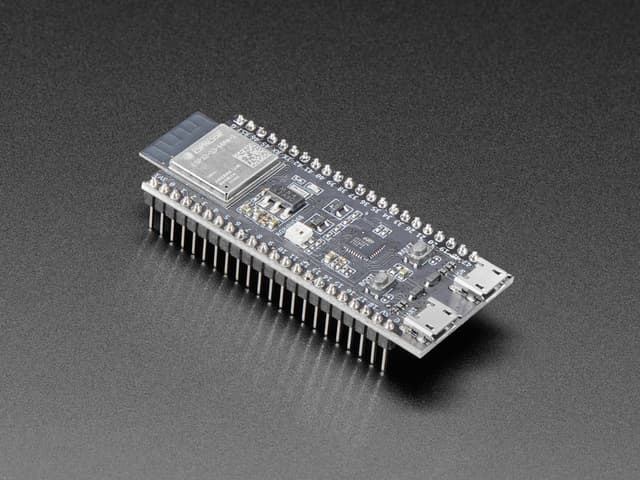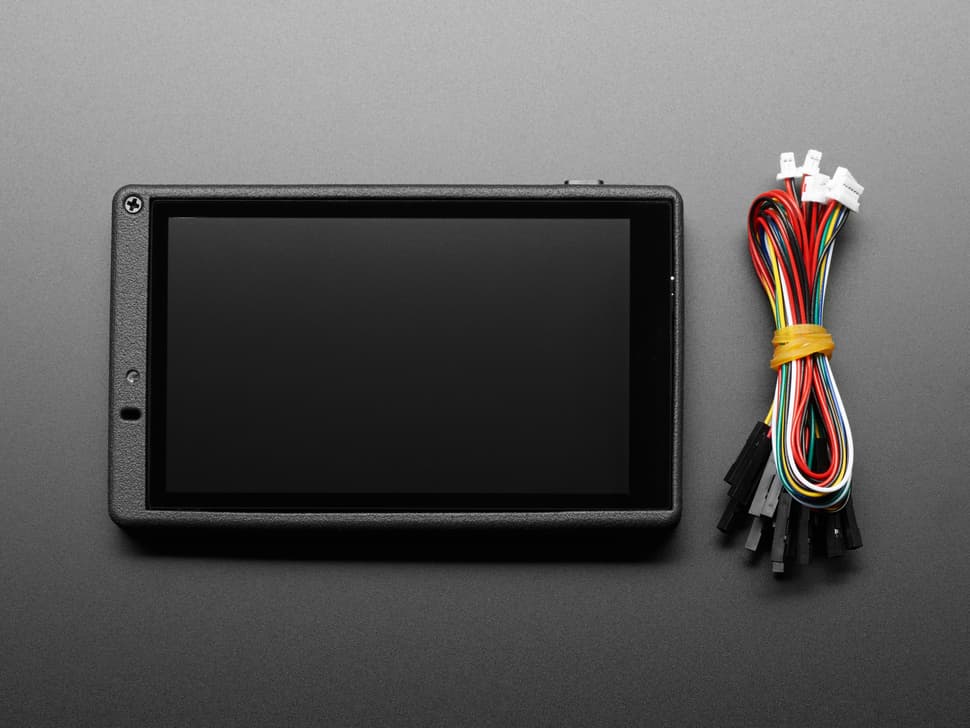
ESP32-S2 HMI DevKit 1
Espressif ESP32-S2-WROVER HMI development kit with a 4.3″ 800×480 capacitive touchscreen, onboard IMU, microphone, speaker, microSD, IR, and RGB LEDs — designed for smart-home panel prototyping.
$79.95
Tap any value to browse matching devices
Specifications
Components
Espressif ESP32-S2-WROVER module with single-core 240 MHz Xtensa LX7, 320 KB SRAM, 4 MB Flash, 2 MB PSRAM, and 2.4 GHz WiFi.
InvenSense MPU-6886 6-axis IMU providing 3-axis accelerometer and 3-axis gyroscope for orientation sensing.
Bus Interfaces
GPIO Map
Overview
The ESP32-S2 HMI DevKit 1 from Espressif is a purpose-built platform for developing human-machine interfaces using the ESP32-S2-WROVER module. The centrepiece is a large 4.3″ colour LCD at 800 × 480 pixels driven over a 16-bit parallel interface, paired with a capacitive touchscreen controller, making it immediately useful for smart alarm clocks, home-controller panels, and IoT dashboards without any external hardware.
Beyond the display, the kit includes a rich sensor suite: a 3-axis accelerometer and gyroscope for tilt and orientation, an ambient light sensor, a temperature and humidity sensor, a built-in microphone, and an infrared transmitter for appliance control. A microSD card slot provides expandable storage for images, fonts, and log data. An audio amplifier drives an external speaker through a header.
Expansion is available via dedicated SPI, TWAI/CAN, I2C, and UART headers, so the DevKit can communicate with custom carrier boards or industrial peripherals. Two USB-C ports serve distinct roles: one for DFU/CDC programming and one as an OTG debug interface. Power and 3.3 V headers allow the board to be integrated into larger enclosures.
Note that the board is targeted at the ESP-IDF toolchain only; CircuitPython and Arduino display support were not available at launch. An optional 1,950 mAh Li-ion battery compatible with iPhone 5 packs can power the unit in portable scenarios.
Use Cases
4Smart Home
Home automation devices for controlling lighting, climate, security, and appliances.
Smart Home Dashboard
Wall-mounted or tabletop display showing Home Assistant dashboards, sensor readings, and smart home controls.
home-automation
IoT
Internet of Things applications including connected sensors, actuators, and smart devices that communicate over WiFi, BLE, LoRa, or other wireless protocols.
Where to Buy
Available Software
2Explore more of the directory — popular use cases, firmware, and specs to browse next.