Adafruit Matrix Portal M4
The Adafruit Matrix Portal M4 is a plug-in controller for HUB75 RGB LED matrix panels, featuring an ATSAMD51J19 Cortex-M4F at 120MHz, ESP32 WiFi coprocessor with TLS/SSL, LIS3DH accelerometer, USB-C power, and STEMMA QT — designed to drive 16×32 to 64×64 LED matrices directly.
$24.95
Tap any value to browse matching devices
Specifications
Certifications
Components
Espressif ESP32 dedicated WiFi coprocessor providing 802.11 b/g/n with TLS/SSL via SPI
ST Microelectronics LIS3DH 3-axis MEMS accelerometer for orientation and tap detection
Bus Interfaces
GPIO Map
Overview
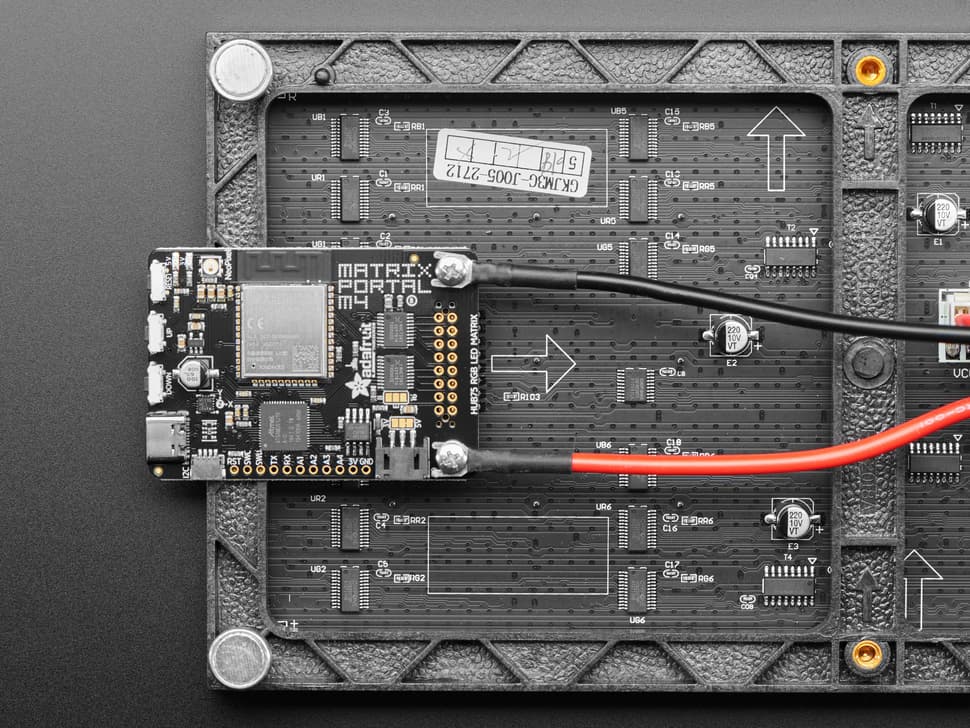
The Adafruit Matrix Portal M4 is a compact add-on board that plugs directly into the back of any HUB75-compatible RGB LED matrix panel (16×32 to 64×64 pixels), instantly giving it WiFi internet connectivity and a powerful microcontroller for dynamic content. The ATSAMD51J19 ARM Cortex-M4F at 120MHz with 512KB flash and 192KB SRAM drives matrix refresh while the ESP32 WiFi coprocessor handles all network communication with TLS/SSL independently.
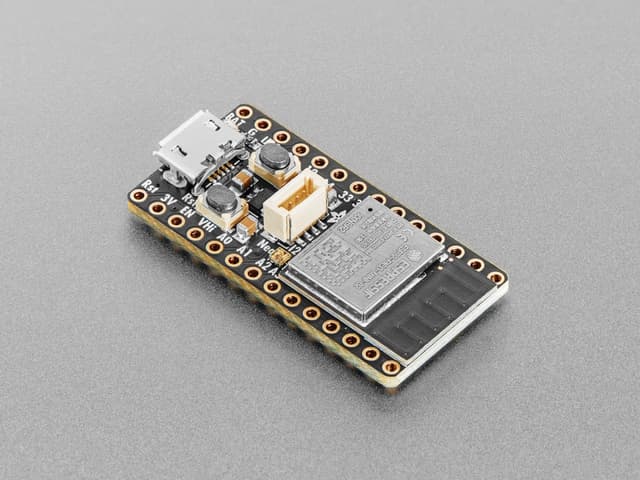
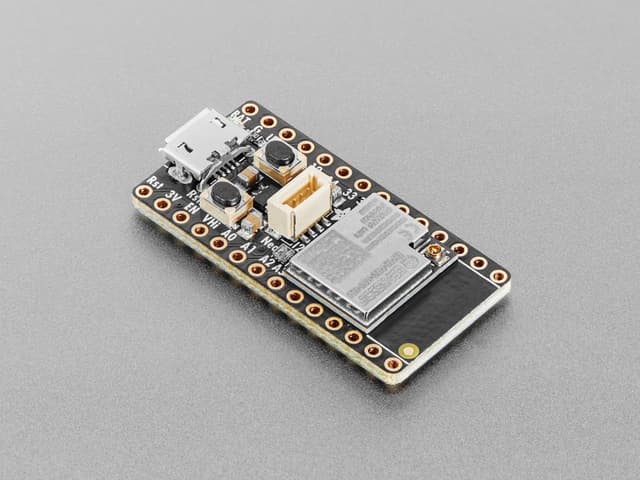
The board features a USB-C connector for power and programming, a STEMMA QT I2C port for plug-in sensors, a JST 3-pin connector for analog output or NeoPixel control, a LIS3DH accelerometer for orientation detection, and a NeoPixel status LED. Two user buttons plus a reset button are included. Power for both the Matrix Portal and the LED matrix panel is supplied via a standard 5V USB-C input, which is shared with the panel's HUB75 connector.
CircuitPython and Arduino are both supported. Adafruit provides an extensive learn guide with examples for scrolling text, real-time weather, clocks, sports scores, and more. An "Address E" jumper enables 64×64 matrix compatibility. Dimensions are 63.3mm × 44.5mm × 16mm.
Use Cases
4LED Matrix Display
Boards purpose-built for driving RGB LED matrix panels for signs, art installations, and information displays.
Digital Signage
Driving displays for advertising, information kiosks, or menu boards with 4K video and dynamic content.
IoT Display
Boards with integrated displays for IoT dashboards, status screens, and connected information panels.
IoT
Internet of Things applications including connected sensors, actuators, and smart devices that communicate over WiFi, BLE, LoRa, or other wireless protocols.
Where to Buy
Explore more of the directory — popular use cases, firmware, and specs to browse next.