Adafruit PyPortal
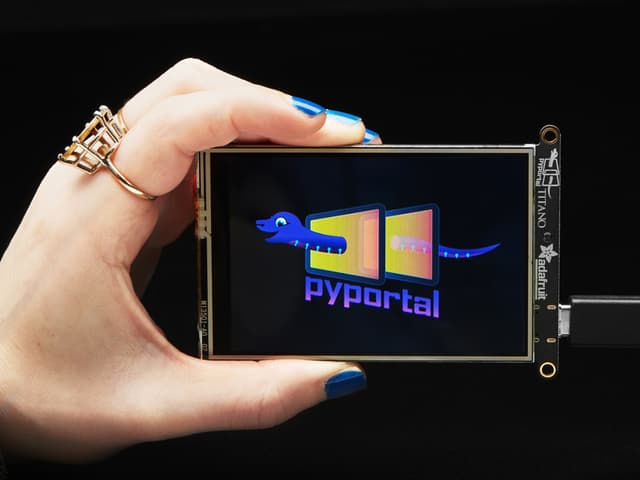
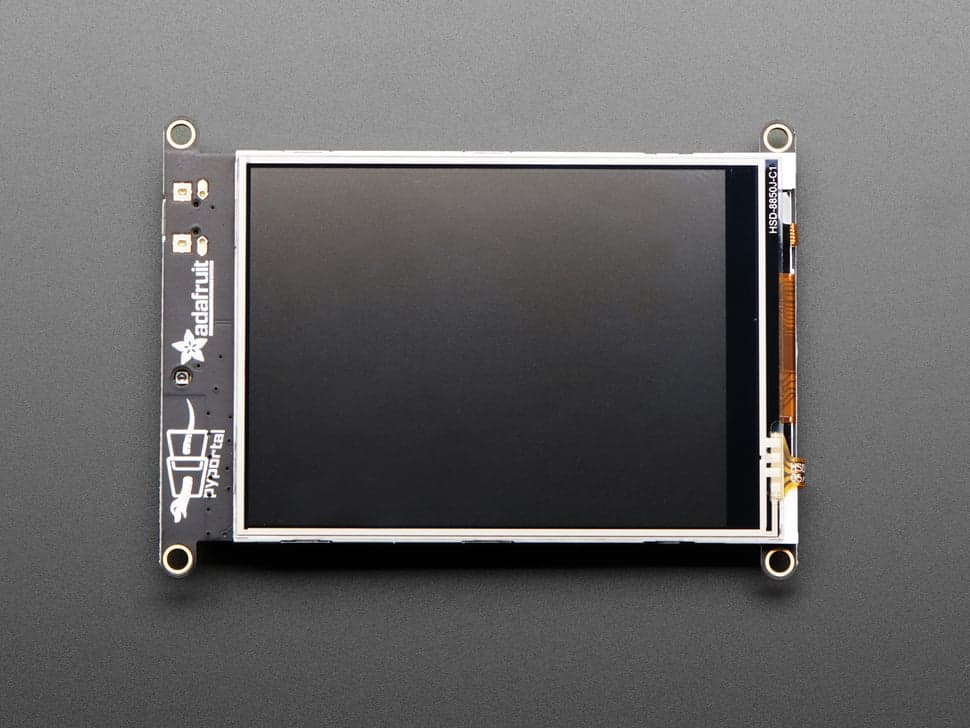
The Adafruit PyPortal is an all-in-one CircuitPython WiFi IoT display board featuring an ATSAMD51J20 Cortex-M4F, ESP32 WiFi coprocessor, 3.2" 320×240 color touchscreen, built-in speaker, NeoPixel, microSD, and temperature sensor — ready for internet-connected dashboards out of the box.
$69.95
Tap any value to browse matching devices
Specifications
Certifications
Components
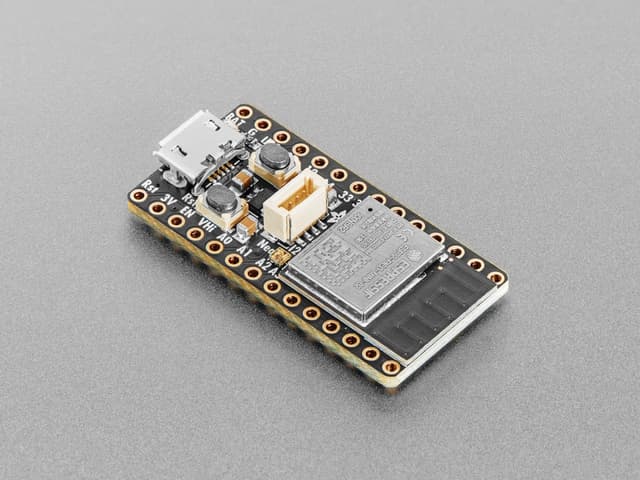
Espressif ESP32 used as a dedicated WiFi coprocessor providing 802.11 b/g/n with TLS/SSL support via SPI
Analog Devices ADT7410 high-accuracy 16-bit I2C temperature sensor (±0.5°C accuracy)
Bus Interfaces
GPIO Map
Overview
The Adafruit PyPortal is a standalone, internet-connected display platform built around the ATSAMD51J20 ARM Cortex-M4F microcontroller running CircuitPython at 120MHz. An ESP32 coprocessor handles all WiFi communication (including TLS/SSL) independently, freeing the main MCU for display rendering and application logic. With 8MB of flash for CircuitPython libraries and a microSD slot, the PyPortal can fetch live data from web APIs and display it without a computer.
The 3.2" IPS color TFT display (320×240 pixels) with resistive touchscreen makes it ideal for IoT dashboards, weather stations, news tickers, and crypto price trackers. An onboard ADT7410 precision temperature sensor, light sensor, NeoPixel indicator, and 1W speaker with amplifier cover common IoT display use cases. Two STEMMA I2C ports and two analog/digital breakout pins provide expansion without soldering.
The PyPortal was originally sold as part of AdaBox 011. It is programmed entirely in CircuitPython (Python for microcontrollers), with a large library of example projects available on the Adafruit Learn system. Badge lanyard mounting holes and 3D-printable case designs make it portable.
Use Cases
5IoT Display
Boards with integrated displays for IoT dashboards, status screens, and connected information panels.
Smart Home
Home automation devices for controlling lighting, climate, security, and appliances.
Smart Home Dashboard
Wall-mounted or tabletop display showing Home Assistant dashboards, sensor readings, and smart home controls.
Weather Display
A dedicated screen that shows weather information including current conditions, temperature, humidity, pressure, and multi-day forecasts.
IoT
Internet of Things applications including connected sensors, actuators, and smart devices that communicate over WiFi, BLE, LoRa, or other wireless protocols.
Where to Buy
Explore more of the directory — popular use cases, firmware, and specs to browse next.