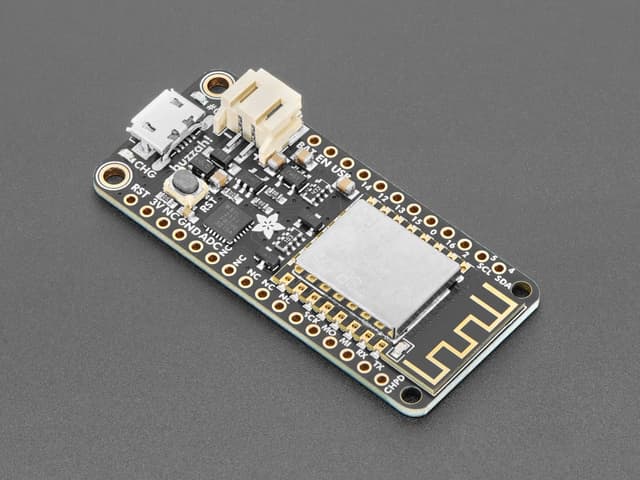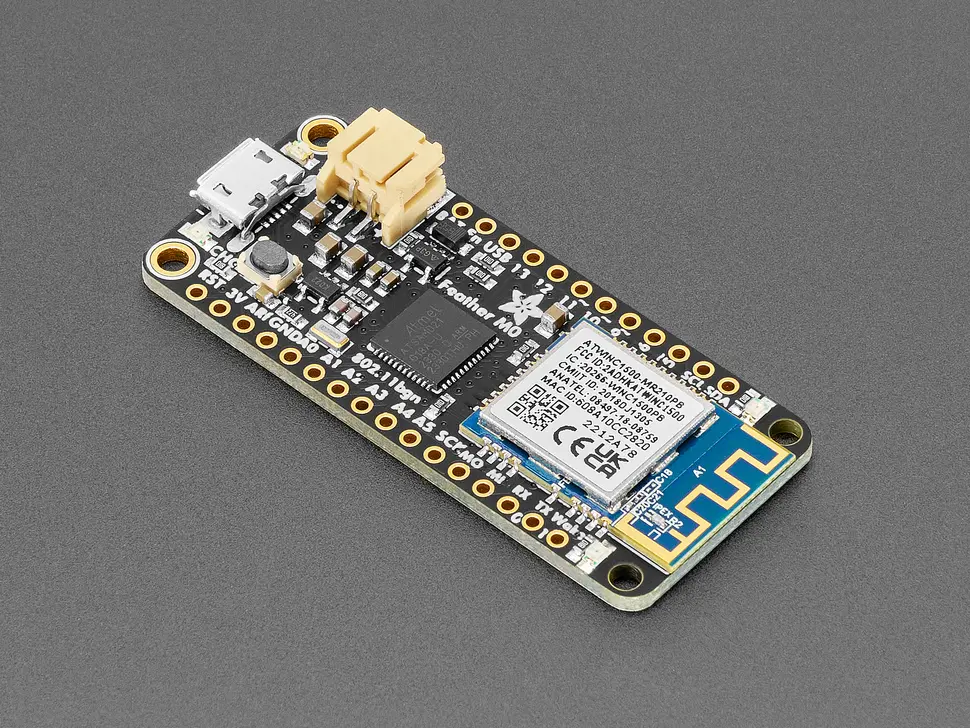
Adafruit Feather M0 WiFi (ATSAMD21 + ATWINC1500)
ARM Cortex-M0+ Feather board with ATWINC1500 802.11 b/g/n WiFi, 256KB flash, 32KB RAM, 10 analog inputs, and built-in LiPo charger. FCC-certified WiFi for IoT and connected projects.
$39.95
Tap any value to browse matching devices
Specifications
Components
FCC-certified 802.11b/g/n WiFi module with SSL/TLS 1.2 support, controlled via SPI.
Bus Interfaces
GPIO Map
Overview
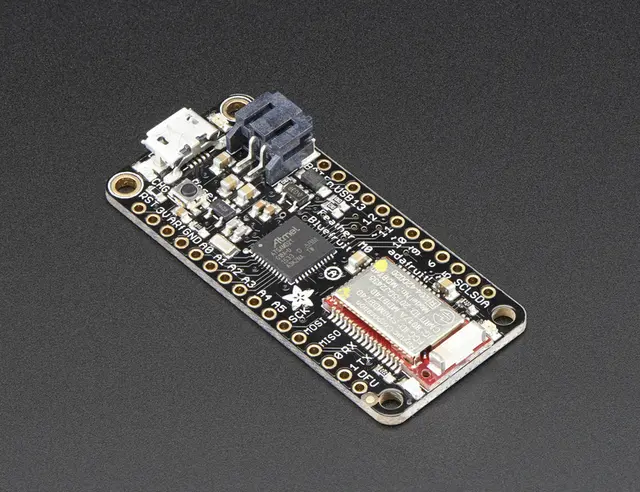
The Adafruit Feather M0 WiFi pairs the ATSAMD21G18 ARM Cortex-M0+ microcontroller with Atmel's ATWINC1500 WiFi module on the standard Feather form factor. The ATWINC1500 is a FCC-certified 802.11b/g/n module that handles all RF operations independently, supports WEP/WPA/WPA2 security, and even offers SSL/TLS 1.2 for secure connections — all controlled via SPI from the SAMD21.
Running at 48 MHz with 256KB of flash and 32KB of SRAM, the SAMD21 brings significantly more compute and memory than ATmega-based WiFi boards. It also provides native USB support — meaning it can enumerate as a keyboard, mouse, MIDI device, or serial port without any additional chip.
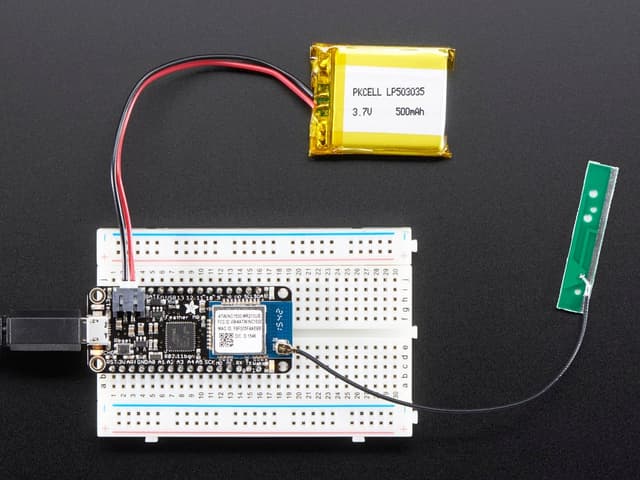
The board integrates a 200mA LiPo charger, enabling fully wireless battery-powered operation. A built-in regulator provides 600mA at 3.3V, sufficient to power the WiFi module's 300mA peak draw during transmission bursts. The 10 analog inputs (12-bit ADC), 8 PWM channels, and hardware SPI/I2C/UART make it a capable platform for sensor-connected WiFi nodes.
With Arduino IDE support via the Adafruit SAMD board package and the Adafruit_WINC1500 library, this board makes building WiFi-connected devices straightforward while retaining the flexibility of a full-featured development board.
Use Cases
4IoT
Internet of Things applications including connected sensors, actuators, and smart devices that communicate over WiFi, BLE, LoRa, or other wireless protocols.
IoT Sensor Node
Compact wireless sensor node for collecting and transmitting environmental or industrial data.
Prototyping
Rapid hardware prototyping and proof-of-concept development with breadboard-friendly form factors and accessible development environments.
Smart Home
Home automation devices for controlling lighting, climate, security, and appliances.
Resources
Where to Buy
Explore more of the directory — popular use cases, firmware, and specs to browse next.