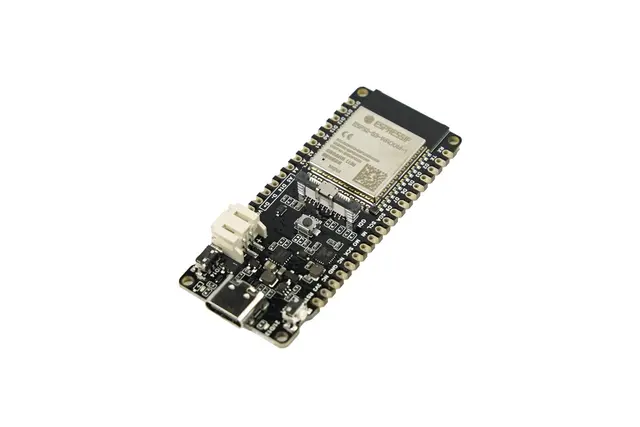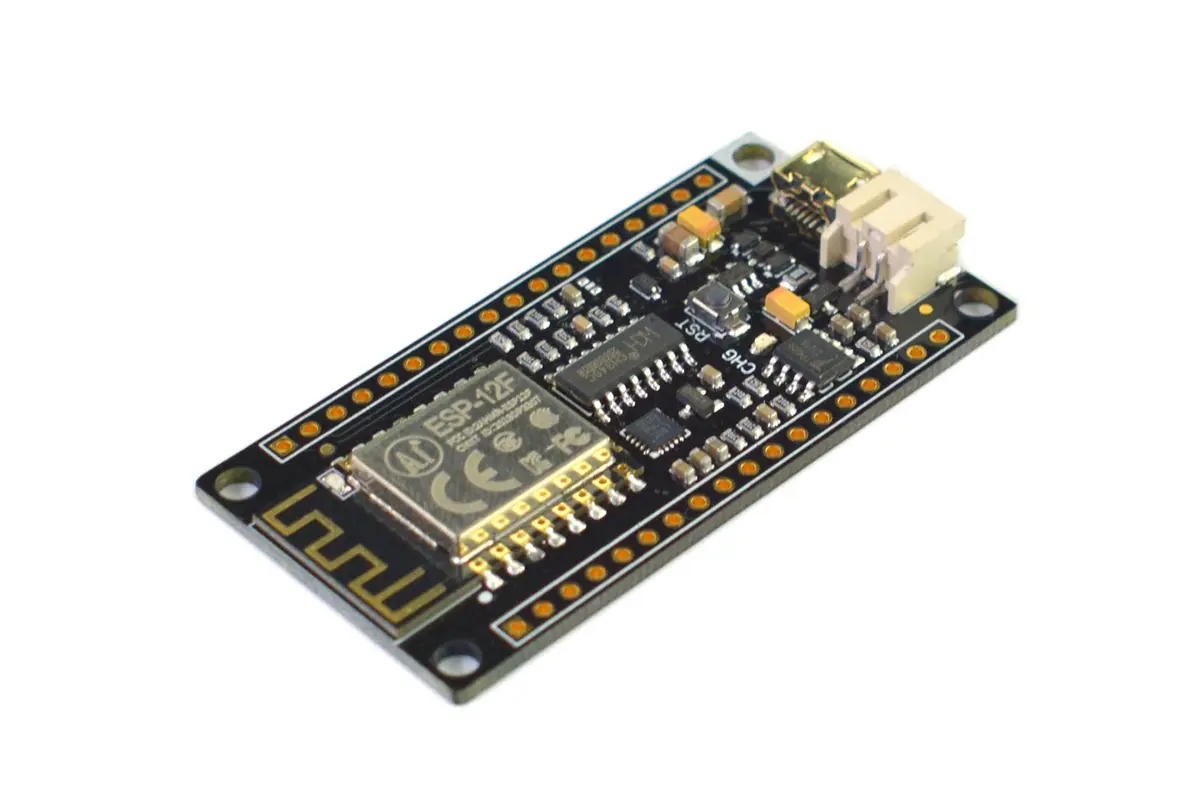
DFRobot FireBeetle ESP8266
Compact ESP8266 WiFi IoT microcontroller with Tensilica L106 at 80/160MHz, 16MB flash, 50KB SRAM, 10 digital I/O, onboard LiPo charging, 46uA low-power mode, OTA updates, and Arduino/MicroPython support at just $7.50.
$7.50
Tap any value to browse matching devices
Specifications
Components
Espressif ESP8266 with Tensilica L106 32-bit processor at 80/160MHz, 50KB SRAM, 16MB SPI flash, WiFi 802.11 b/g/n.
GPIO Map
Overview
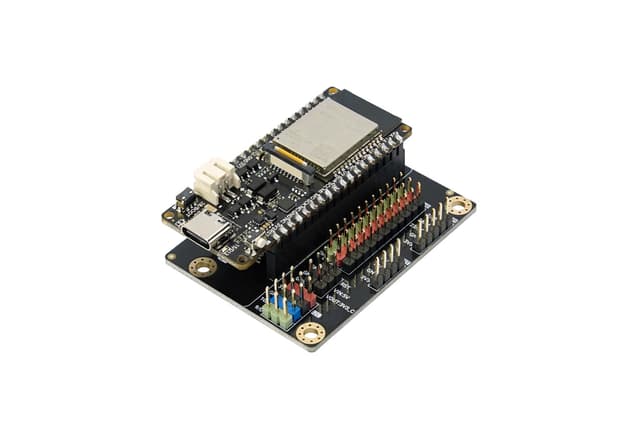
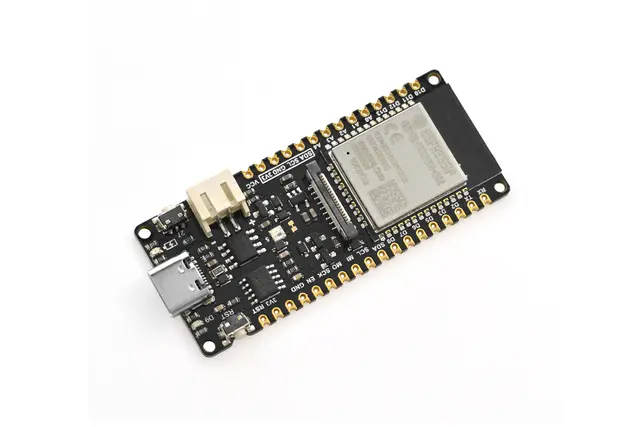
The DFRobot FireBeetle ESP8266 (SKU: DFR0489) is a budget-friendly WiFi IoT development board built around the ESP8266 Tensilica L106 32-bit processor. Running at 80MHz (overclockable to 160MHz) with 50KB SRAM and 16MB SPI flash, it provides a reliable platform for WiFi-connected IoT projects at just $7.50 -- making it one of the most affordable boards in the FireBeetle lineup.
The board supports WiFi 802.11 b/g/n at 2.4GHz with STA, AP, and STA+AP modes, TCP/IP networking, and over-the-air (OTA) firmware updates. It exposes 10 digital I/O pins, 1 analog input (10-bit ADC), SPI, I2C, UART, I2S, IR, and PWM interfaces. While more limited in GPIO count compared to ESP32 variants, the ESP8266 remains an excellent choice for single-purpose IoT nodes like temperature sensors, smart plugs, and basic home automation devices.
Power management includes an onboard lithium battery charging circuit with 500mA charge current and 600mA LDO output, automatic USB/battery power switching, and a low-power consumption mode drawing just 46 microamps. The board maintains WiFi connection at only 1.2mW (DTIM10), making it efficient for always-connected battery-powered deployments. The wide operating temperature range of -40 to +85 degrees Celsius supports both indoor and harsh outdoor environments.
Use Cases
6IoT
Internet of Things applications including connected sensors, actuators, and smart devices that communicate over WiFi, BLE, LoRa, or other wireless protocols.
Smart Home
Home automation devices for controlling lighting, climate, security, and appliances.
Environmental Monitoring
Monitoring environmental conditions like temperature, humidity, air quality, and weather data using remote sensors.
Battery Powered Sensor Node
Low-power sensor nodes running on battery for wireless data collection and monitoring.
Remote Sensor Nodes
Deploy wireless sensor nodes in remote locations using LoRa, NB-IoT, or cellular connectivity.
Smart Switch
Build WiFi or BLE controlled relay boards for switching lights, appliances, and HVAC.
Where to Buy
Explore more of the directory — popular use cases, firmware, and specs to browse next.