Arduino MKR WiFi 1010
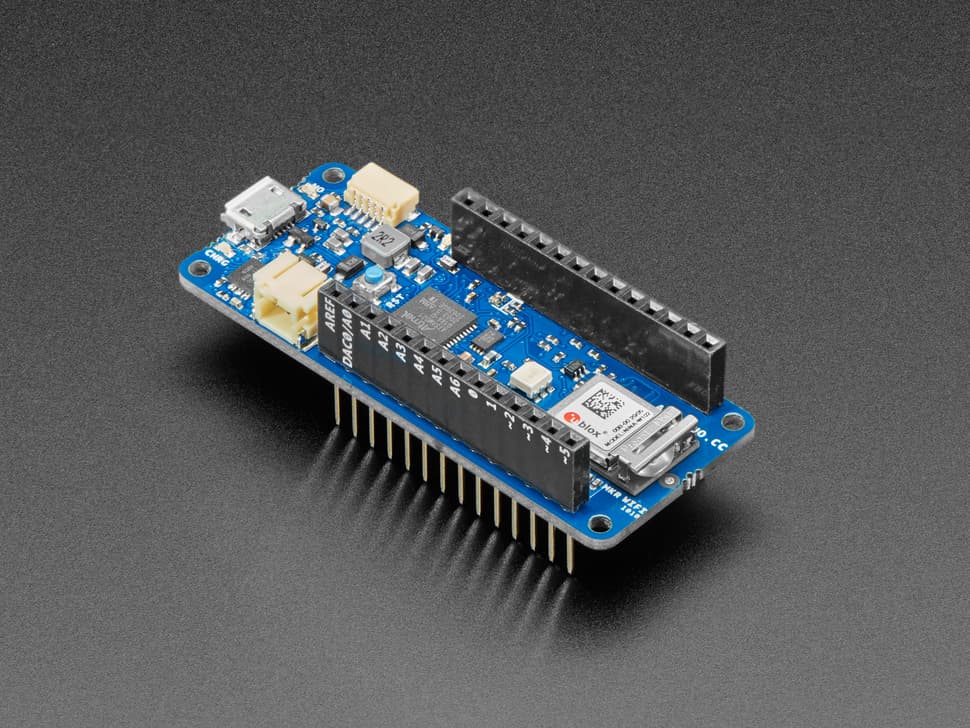
Compact IoT Arduino with SAMD21 Cortex-M0+ @ 48MHz, u-blox NINA-W102 WiFi + Bluetooth module, ATECC508 crypto chip, 256KB Flash, 32KB SRAM, USB full-speed, LiPo charging, and MKR shield compatibility.
$31.95
Tap any value to browse matching devices
Specifications
Certifications
Components
u-blox NINA-W102 802.11 b/g/n WiFi + Bluetooth 4.2 + BLE combo module.
Microchip ATECC508A hardware cryptographic accelerator for secure key storage and TLS.
Bus Interfaces
GPIO Map
Overview
The Arduino MKR WiFi 1010 is a compact, WiFi and Bluetooth-enabled development board designed for IoT applications. It builds on the Arduino Zero's SAMD21 Cortex-M0+ core at 48MHz, adding a u-blox NINA-W102 module for dual-mode wireless connectivity and an Microchip ATECC508 cryptoauthentication chip for hardware-secured communication — making it one of the few Arduino boards with dedicated cryptographic acceleration for TLS/SSL connections.
The u-blox NINA-W102 module provides both 802.11 b/g/n WiFi and Bluetooth Classic plus Bluetooth Low Energy. This combination covers the majority of IoT connectivity scenarios in a single Arduino sketch using the WiFiNINA library. The ATECC508 handles private key storage and cryptographic operations in hardware, preventing key extraction even if the device is physically compromised.
The board follows the MKR form factor — 61.5×25mm — and accepts any Arduino MKR shield for rapid expansion. Power management is well-suited to battery projects: a built-in LiPo charger (via the USB-B connector) and a 3.7V JST connector allow the board to run wirelessly from a single-cell lithium battery. Operating voltage is 3.3V; the 5V output pin is not present, making level-shifting necessary for 5V peripherals.
Analog I/O consists of 7 inputs (8/10/12-bit ADC) and one 10-bit DAC output. The USB interface supports both full-speed device and embedded host modes. Arduino provides a comprehensive guide and library ecosystem covering MQTT, REST APIs, and Arduino IoT Cloud integration for MKR WiFi 1010 projects.
Use Cases
3IoT
Internet of Things applications including connected sensors, actuators, and smart devices that communicate over WiFi, BLE, LoRa, or other wireless protocols.
Smart Home
Home automation devices for controlling lighting, climate, security, and appliances.
Environmental Monitoring
Monitoring environmental conditions like temperature, humidity, air quality, and weather data using remote sensors.
Where to Buy
Explore more of the directory — popular use cases, firmware, and specs to browse next.