Adafruit HalloWing M4 Express
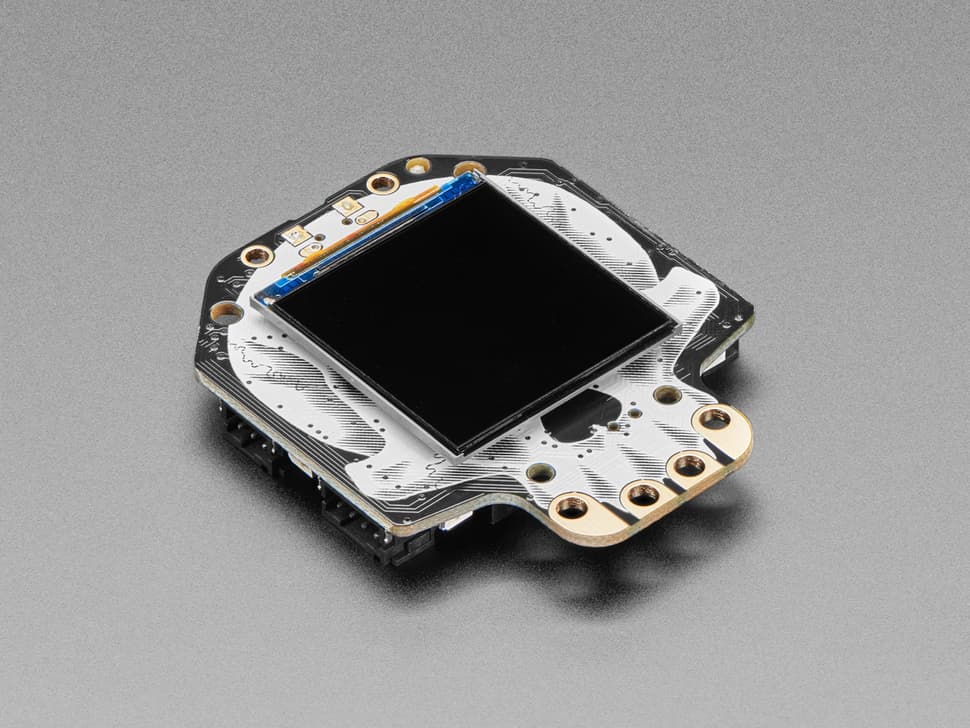
Skull-shaped ATSAMD51J19 dev board (120MHz Cortex-M4F) with a 1.54" 240×240 IPS TFT, 4 capacitive touch inputs, 4 NeoPixels, accelerometer, speaker driver, and LiPoly charging. Perfect for Halloween props and wearables.
$39.95
Tap any value to browse matching devices
Specifications
Certifications
Components
3-axis MEMS digital accelerometer, I2C interface, low power.
Bus Interfaces
GPIO Map
Overview
The Adafruit HalloWing M4 Express is a Halloween-themed microcontroller board shaped like a skull, designed for spooky props, wearable costumes, and interactive displays. At its core sits the ATSAMD51J19 ARM Cortex-M4F running at 120MHz — the same powerful chip found in Adafruit's Feather M4 and PyGamer — paired with 512KB of internal Flash, 192KB of RAM, and 8MB of SPI Flash for storing images, sounds, and animations.
The front of the skull features a 1.54-inch IPS TFT LCD at 240×240 pixels, offering roughly four times the pixel density of the original M0 version. Below the screen sit four capacitive touch inputs shaped like fanged teeth, each with alligator-clip-friendly pads, enabling interactive animations triggered by touch or proximity. Four side-mounted NeoPixel LEDs add colorful effects, while a mono Class-D speaker driver (up to 1W into 4–8Ω) provides audio output for sound effects and music.
The board ships with a 3-axis accelerometer (MSA311 in current production) for motion-reactive effects and a light sensor for ambient detection. A LiPoly battery port with recharging circuitry makes wireless, untethered deployment straightforward. The female header strips expose a Feather-compatible pinout, so any FeatherWing can be stacked on the back.
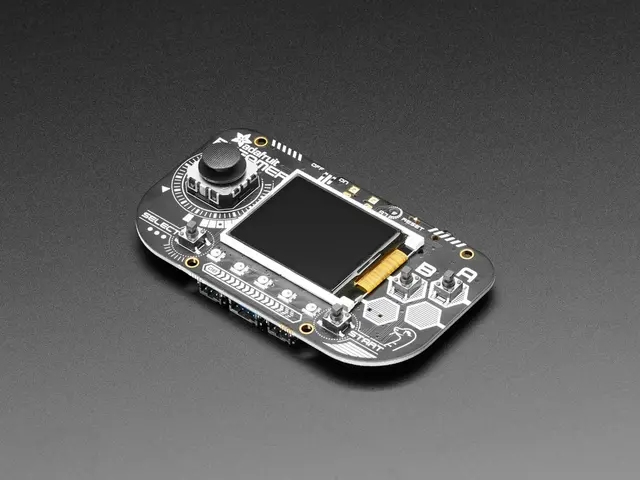
Programming is fully supported through both CircuitPython (with drag-and-drop firmware via UF2 bootloader) and the Arduino IDE. The PCB was redesigned in black in March 2023, giving the board its distinctive "Goth Black" aesthetic. Note that the LiPoly battery is sold separately; Adafruit recommends 350mAh or 500mAh 3.7V cells.
Use Cases
3Wearable
Body-worn computing devices including smartwatches, fitness bands, and health monitors.
IoT
Internet of Things applications including connected sensors, actuators, and smart devices that communicate over WiFi, BLE, LoRa, or other wireless protocols.
Retro Gaming
Running classic game emulators (NES, Game Boy, Pong) or building handheld game consoles with display and controls.
Where to Buy
Explore more of the directory — popular use cases, firmware, and specs to browse next.