Raspberry Pi 1 Model B
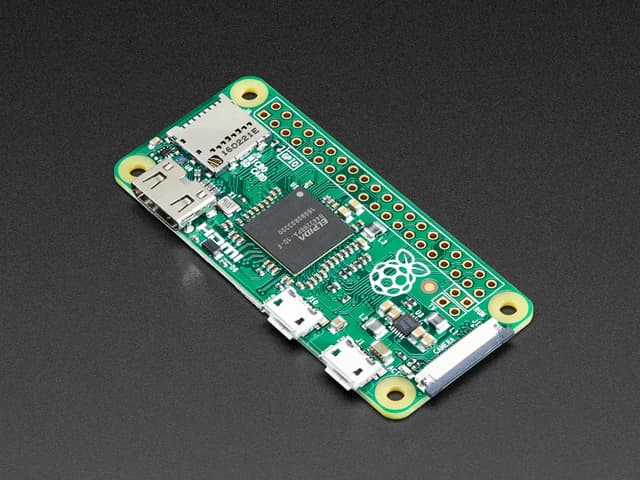
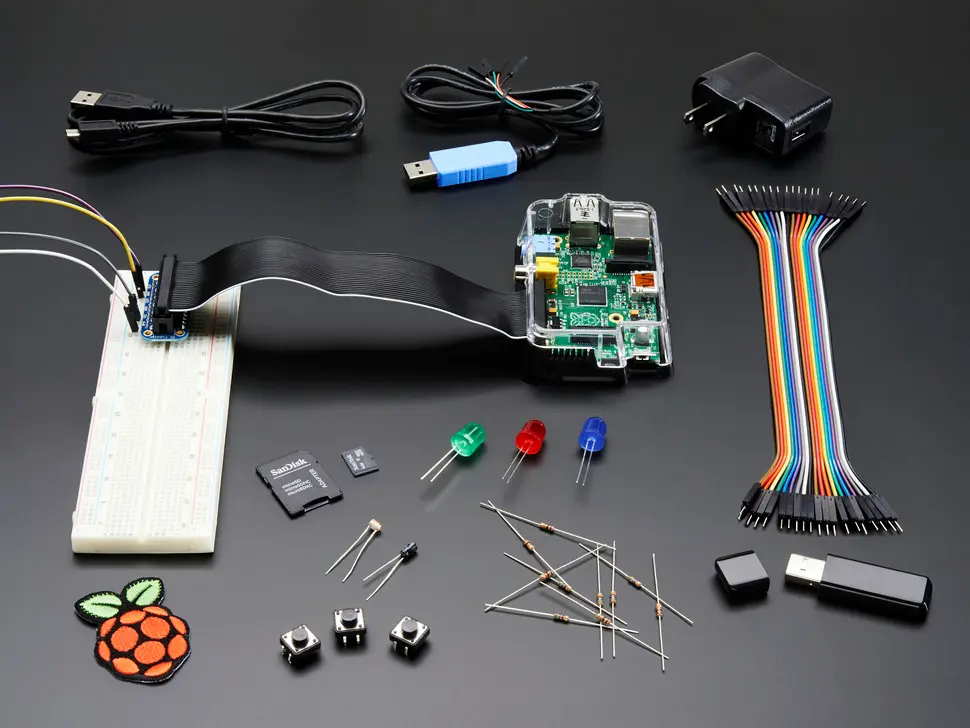
The Raspberry Pi 1 Model B is the original production Raspberry Pi single-board computer, featuring a Broadcom BCM2835 ARM1176JZF-S at 700MHz, 512MB RAM, 100Mbps Ethernet, 2 USB 2.0 ports, HDMI, 26-pin GPIO header, and an SD card slot — the board that launched the modern SBC revolution.
$35.00
Tap any value to browse matching devices
Specifications
Certifications
Components
Microchip LAN9512 USB 2.0 hub with integrated 10/100 Ethernet controller providing 2× USB ports and Ethernet
Bus Interfaces
GPIO Map
Overview
The Raspberry Pi 1 Model B was the first widely produced Raspberry Pi single-board computer, released in February 2012. Built around the Broadcom BCM2835 system-on-chip with an ARM1176JZF-S single-core processor at 700MHz and Videocore IV GPU, it brought affordable Linux computing to the maker community at $35. The Model B (revision 2.0) added 512MB of RAM and two USB 2.0 ports, distinguishing it from the Model A.
The board provides 26 GPIO pins through a 0.1" header — the foundation of the GPIO standard that all subsequent Raspberry Pi models have maintained and expanded. It connects to HDMI displays, 100Mbps Ethernet (via the LAN9512 USB hub chip), and SD card storage for the operating system. Audio is available via a 3.5mm stereo jack, and a CSI camera connector enables the official Raspberry Pi Camera Module.
Running Raspberry Pi OS (then called Raspbian) or other Debian-based Linux distributions, the Pi 1 Model B introduced millions of educators, hobbyists, and professionals to programmable single-board computing. While long superseded by faster models, it remains a landmark in accessible open computing hardware and established the ecosystem of HATs, software, and community resources that now spans all Raspberry Pi products.
Use Cases
4IoT
Internet of Things applications including connected sensors, actuators, and smart devices that communicate over WiFi, BLE, LoRa, or other wireless protocols.
IoT Gateway
Acting as a local IoT gateway that aggregates data from sensors, runs MQTT broker, Node-RED, or Home Assistant, and bridges to the cloud.
Media Player
Building custom media playback devices for audio, video, or digital signage using DVI/HDMI output.
Environmental Monitoring
Monitoring environmental conditions like temperature, humidity, air quality, and weather data using remote sensors.
Where to Buy
Explore more of the directory — popular use cases, firmware, and specs to browse next.