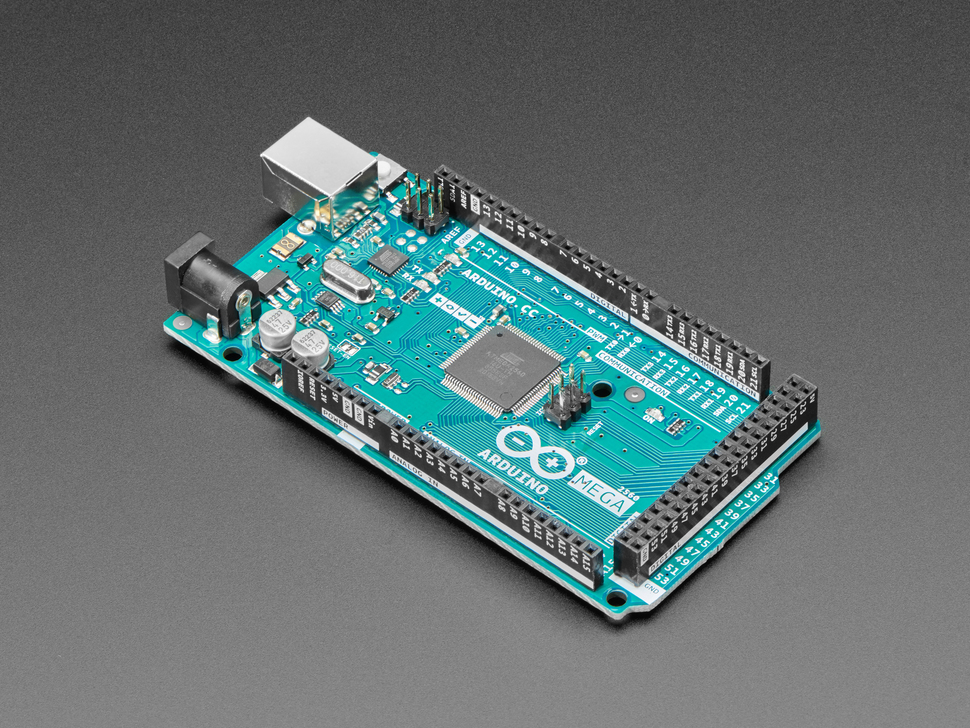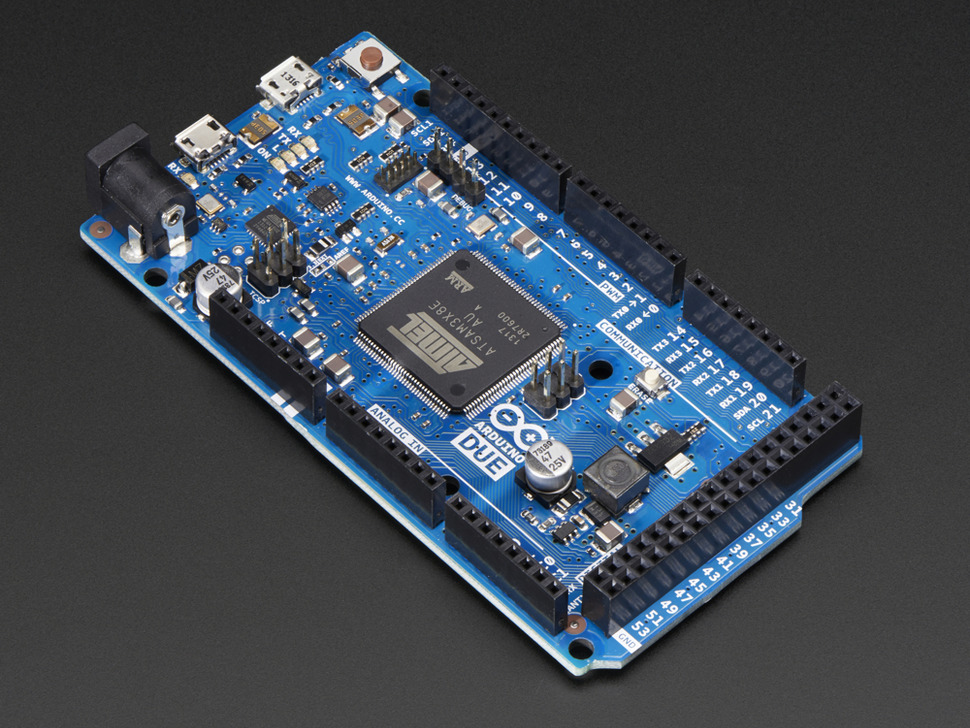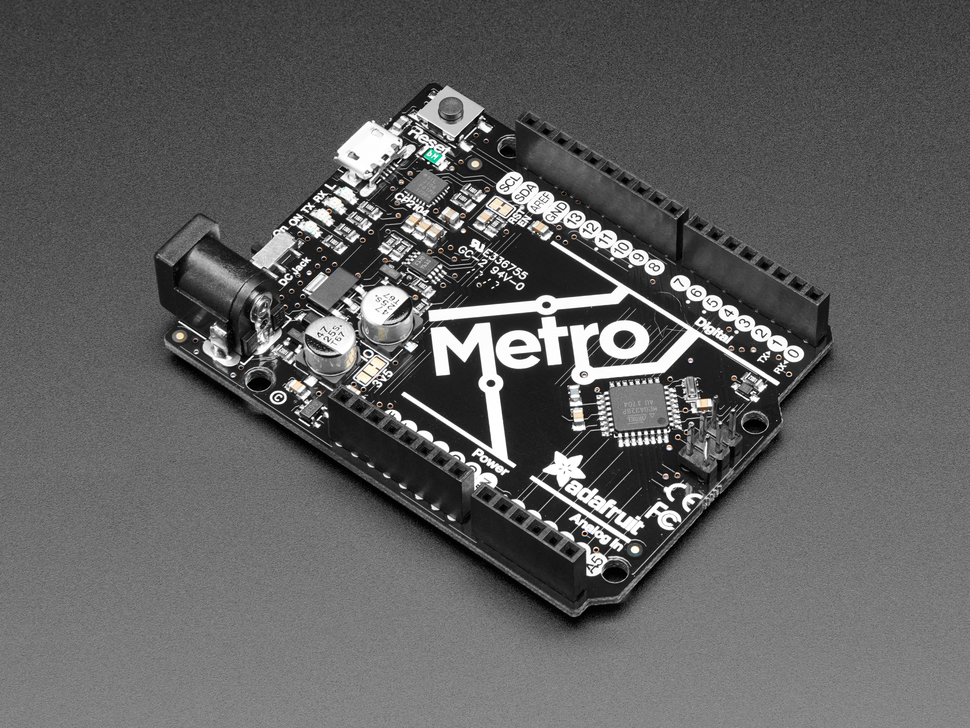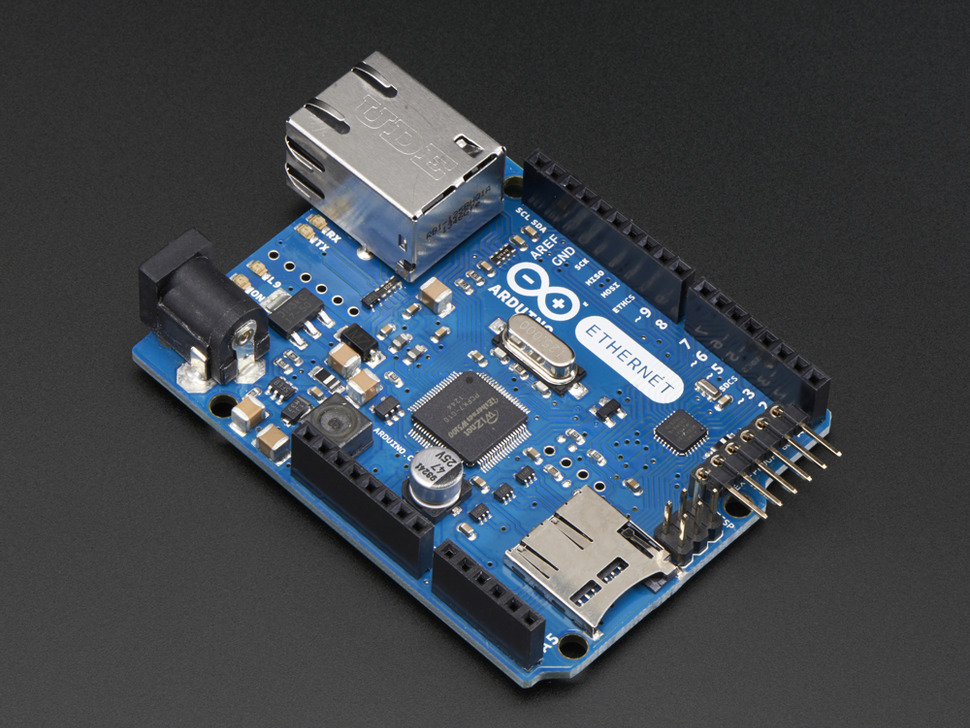
# Arduino Mega ADK

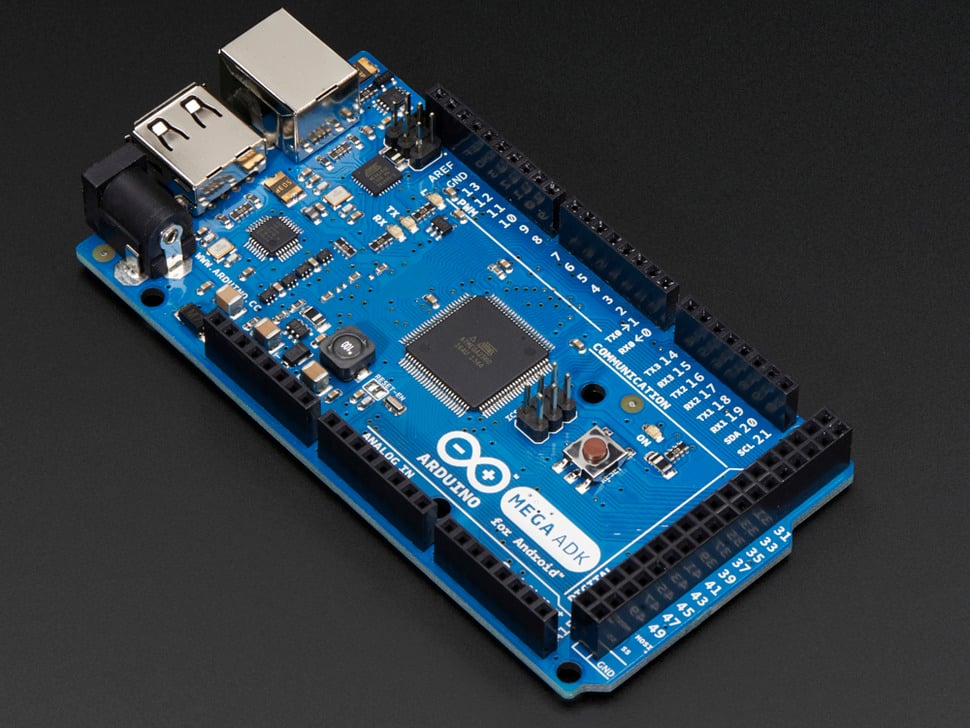
> The Arduino Mega R3 ADK is an ATmega2560-based development board with 54 digital I/O, 16 analog inputs, 4 hardware UARTs, and a USB Type-A host port (Android ADK) with a power boost converter — designed for interfacing with Android smartphones as a USB host for accessory development.

## Quick Facts

- **Brand:** Arduino
- **Board Type:** dev-board
- **Price:** ~$84.95
- **Product Readiness:** developer
- **CPU:** ATmega2560 @ 16MHz
- **CPU Architecture:** AVR 8-bit RISC
- **CPU Cores:** 1
- **RAM:** 8 KB SRAM
- **Flash:** 256 KB
- **Power:** 7–12V DC via barrel jack or USB
- **Operating Voltage:** 5V
- **Dimensions:** 101.98mm × 53.63mm × 15.29mm
- **Weight:** 34.9g

## Open Source

- **Status:** fully-open
- **Firmware:** Yes
- **Schematics:** Yes
- **PCB Layout:** Yes

## Compatible Firmware

arduino, platformio

## Use Cases

- iot
- industrial-automation

## Components

- **ATmega2560** (mcu): Microchip ATmega2560 8-bit AVR RISC at 16MHz, 256KB flash, 8KB SRAM, 4KB EEPROM, 54 I/O pins — [Datasheet](https://openhardware.directory/r?to=https%3A%2F%2Fww1.microchip.com%2Fdownloads%2Fen%2FDeviceDoc%2FATmega640-1280-1281-2560-2561-Datasheet-DS40002211A.pdf&ref=openhardware.directory&product=arduino-mega-adk&source=md-export)
- **MAX3421E** (usb-controller): Maxim MAX3421E USB host/peripheral controller enabling Android ADK (USB OTG host) functionality — [Datasheet](https://openhardware.directory/r?to=https%3A%2F%2Fdatasheets.maximintegrated.com%2Fen%2Fds%2FMAX3421E.pdf&ref=openhardware.directory&product=arduino-mega-adk&source=md-export)

## Protocols

- **I2C**: SDA: D20, SCL: D21
- **SPI**: MOSI: D51, MISO: D50, SCK: D52, SS: D53
- **UART**: TX: D1, RX: D0
- **PWM**
- **USB**
- **JTAG**

## GPIO Map

| Pin | Name | Type | Functions |
|-----|------|------|-----------|
| D0 | D0 | — | GPIO, UART0 RX |
| D1 | D1 | — | GPIO, UART0 TX |
| D2 | D2 | — | GPIO, PWM, INT4 |
| D3 | D3 | — | GPIO, PWM, INT5 |
| D4 | D4 | — | GPIO, PWM |
| D5 | D5 | — | GPIO, PWM |
| D6 | D6 | — | GPIO, PWM |
| D7 | D7 | — | GPIO, PWM |
| D8 | D8 | — | GPIO, PWM |
| D9 | D9 | — | GPIO, PWM |
| D10 | D10 | — | GPIO, PWM |
| D11 | D11 | — | GPIO, PWM |
| D12 | D12 | — | GPIO, PWM |
| D13 | D13 | — | GPIO, PWM, LED |
| D14 | D14 | — | GPIO, UART3 TX |
| D15 | D15 | — | GPIO, UART3 RX |
| D16 | D16 | — | GPIO, UART2 TX |
| D17 | D17 | — | GPIO, UART2 RX |
| D18 | D18 | — | GPIO, UART1 TX |
| D19 | D19 | — | GPIO, UART1 RX |
| D20 | D20 | — | GPIO, I2C SDA |
| D21 | D21 | — | GPIO, I2C SCL |
| D50 | D50 | — | GPIO, SPI MISO |
| D51 | D51 | — | GPIO, SPI MOSI |
| D52 | D52 | — | GPIO, SPI CLK |
| D53 | D53 | — | GPIO, SPI SS |
| A0 | A0 | — | GPIO, ADC |
| A1 | A1 | — | GPIO, ADC |
| A2 | A2 | — | GPIO, ADC |
| A3 | A3 | — | GPIO, ADC |
| A4 | A4 | — | GPIO, ADC |
| A5 | A5 | — | GPIO, ADC |
| A6 | A6 | — | GPIO, ADC |
| A7 | A7 | — | GPIO, ADC |
| A8 | A8 | — | GPIO, ADC |
| A9 | A9 | — | GPIO, ADC |
| A10 | A10 | — | GPIO, ADC |
| A11 | A11 | — | GPIO, ADC |
| A12 | A12 | — | GPIO, ADC |
| A13 | A13 | — | GPIO, ADC |
| A14 | A14 | — | GPIO, ADC |
| A15 | A15 | — | GPIO, ADC |

## Available Software

- **[Arduino IDE]()** (open-source)
- **[PlatformIO]()** (open-source)

## Description

## Overview

The Arduino Mega ADK (Android Development Kit) is a specialized variant of the Arduino Mega 2560 designed for Android accessory development. It shares the ATmega2560 processor at 16MHz with 256KB flash and the same large pin count — 54 digital I/O (14 PWM), 16 analog inputs, and 4 hardware UARTs — but adds a USB Type-A host interface via the MAX3421E chip for direct communication with Android smartphones and tablets.

The USB host port includes a built-in power supply boost converter that can charge connected Android devices, making the ADK useful for wearable accessory, robotics controller, and custom peripheral applications where an Android device is the user interface. The board uses the Arduino Mega R3 footprint with the additional IOREF and SDA/SCL header pins, and is compatible with most Arduino shields.

The ADK is distinct from the standard Arduino Mega 2560 primarily due to the MAX3421E USB host controller and the associated Android Open Accessory (AOA) protocol support. It operates at 5V logic and accepts 7–12V on the DC barrel jack. The Mega ADK has been superseded by more modern Android development approaches but remains historically significant as one of the first official Arduino boards with Android integration.

## Where to Buy

- [Adafruit](https://openhardware.directory/r?to=https%3A%2F%2Fwww.adafruit.com%2Fproduct%2F563&ref=openhardware.directory&product=arduino-mega-adk&source=md-export) — $84.95

## Resources

- [product](https://openhardware.directory/r?to=https%3A%2F%2Fwww.adafruit.com%2Fproduct%2F563&ref=openhardware.directory&product=arduino-mega-adk&source=md-export)
- [docs](https://openhardware.directory/r?to=https%3A%2F%2Fwww.arduino.cc%2Fen%2FMain%2FArduinoBoardMegaADK&ref=openhardware.directory&product=arduino-mega-adk&source=md-export)
- [github](https://openhardware.directory/r?to=https%3A%2F%2Fgithub.com%2Farduino%2FArduino&ref=openhardware.directory&product=arduino-mega-adk&source=md-export)

## Tags

`arduino`, `mega`, `adk`, `android`, `atmega2560`, `usb-host`, `avr`, `arduino-compatible`

## Images

![Arduino Mega ADK](https://nbg1.your-objectstorage.com/openhardware-directory/entities/arduino-mega-adk/d36cfd9ba528.jpg)
![Arduino Mega ADK](https://nbg1.your-objectstorage.com/openhardware-directory/entities/arduino-mega-adk/4ff4c9cfaa4d.jpg)
![Arduino Mega ADK](https://nbg1.your-objectstorage.com/openhardware-directory/entities/arduino-mega-adk/3a313f37b640.jpg)

---
[View full device page](https://openhardware.directory/devices/arduino-mega-adk)