ESP32-H2-DevKitM-1-N4S
Espressif development board for the ESP32-H2 with Bluetooth 5 LE, Zigbee 3.0, Thread, and Matter support, 4MB flash, USB-C, RGB LED, and full GPIO breakout — no Wi-Fi.
$10.00
Tap any value to browse matching devices
Specifications
Certifications
Components
Bus Interfaces
GPIO Map
Overview
The ESP32-H2-DevKitM-1-N4S is Espressif's official development board for the ESP32-H2, a RISC-V microcontroller purpose-built for IEEE 802.15.4 mesh networking and Bluetooth 5 LE. Unlike other ESP32 variants, the H2 deliberately omits Wi-Fi in favor of ultra-low power consumption and deep integration with Zigbee 3.0, Thread, and Matter protocols, making it ideal for smart home end devices and sensors.
The ESP32-H2 core runs at up to 96 MHz with 320 KB SRAM, 128 KB ROM, and 4 KB of low-power memory. Hardware acceleration covers AES-128/256, SHA, RSA, ECC, HMAC, and includes a hardware digital signature engine plus secure boot — giving it a strong security posture for production IoT deployments. The N4S variant includes 4 MB of SPI flash with security features enabled.
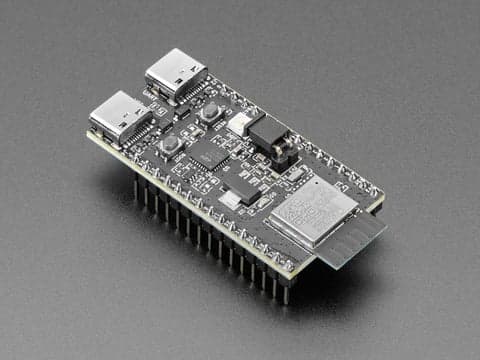
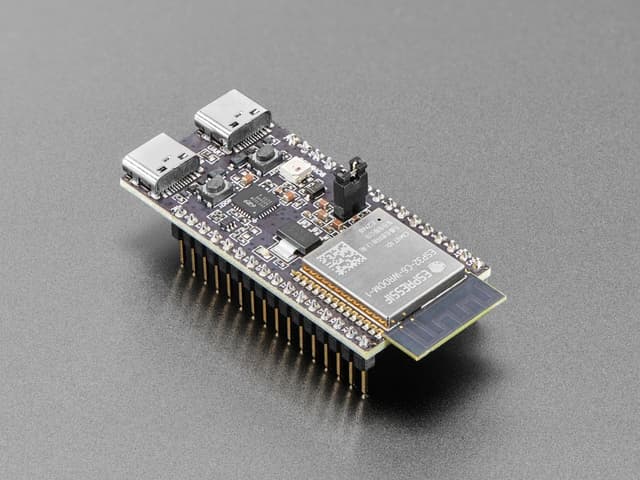
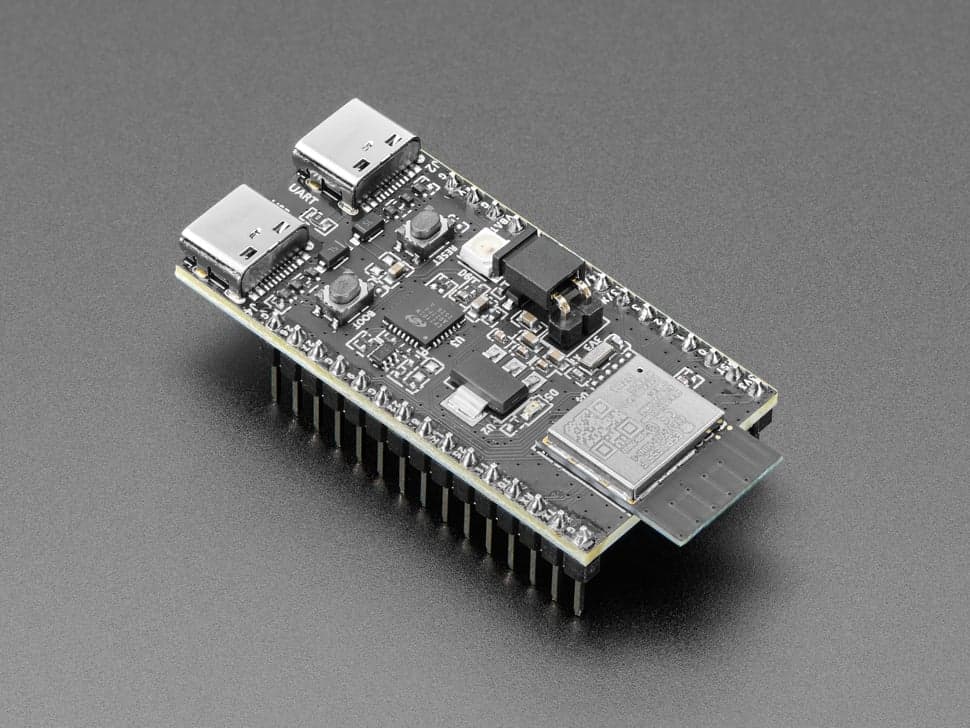
The devkit breaks out all available GPIO pins except those used by the flash bus. An addressable RGB LED on GPIO8 and a 3.3V power indicator, plus Boot and Reset buttons, and a current-measurement header (J5) are included. Two USB Type-C connectors serve programming/debug (USB-UART bridge, up to 3 Mbps) and native USB 2.0 Full Speed from the SoC. Power is supplied via USB-C with an onboard 5V-to-3.3V LDO.
Use Cases
5Smart Home
Home automation devices for controlling lighting, climate, security, and appliances.
Matter / Thread
Matter smart home protocol development including Thread border routers and Matter-over-Wi-Fi devices.
Zigbee
Zigbee 3.0 mesh network devices including sensors, actuators, and coordinator/router nodes.
IoT
Internet of Things applications including connected sensors, actuators, and smart devices that communicate over WiFi, BLE, LoRa, or other wireless protocols.
Prototyping
Rapid hardware prototyping and proof-of-concept development with breadboard-friendly form factors and accessible development environments.
Where to Buy
Explore more of the directory — popular use cases, firmware, and specs to browse next.