Raspberry Pi 4 Model B
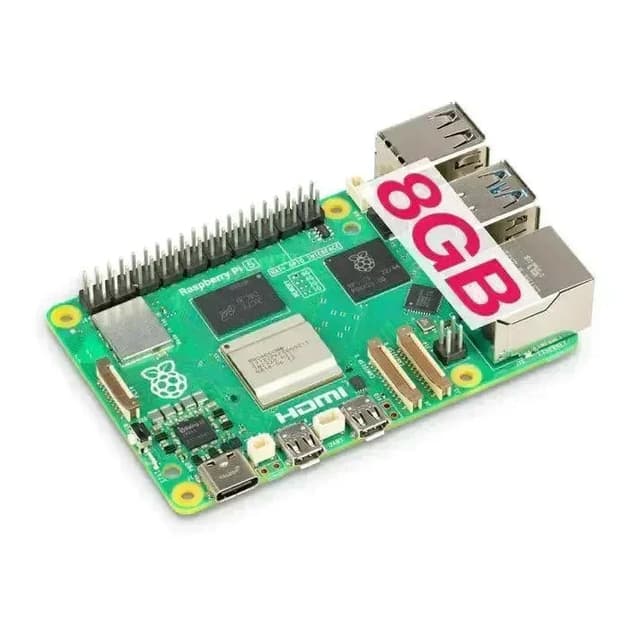
Flagship Raspberry Pi SBC with BCM2711 quad-core Cortex-A72 @ 1.5GHz, dual-band WiFi, Gigabit Ethernet, dual micro-HDMI 4K outputs, USB 3.0, and USB-C power. Available in 1GB, 2GB, 4GB, and 8GB LPDDR4 RAM variants.
$35.00
Tap any value to browse matching devices
Specifications
Certifications
Components
Cypress CYW43455 dual-band 802.11ac WiFi + Bluetooth 5.0/BLE combo chip.
Bus Interfaces
GPIO Map
Overview
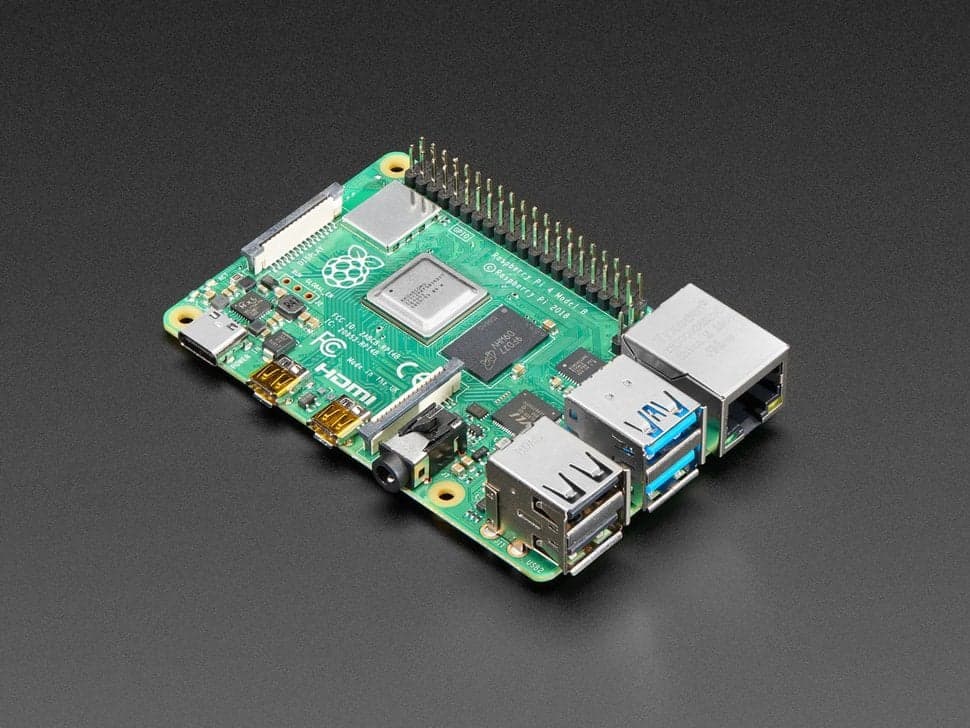
The Raspberry Pi 4 Model B is the fourth-generation flagship single-board computer from the Raspberry Pi Foundation, representing the most significant generational leap in the platform's history. Powered by the Broadcom BCM2711 — a 64-bit quad-core ARM Cortex-A72 SoC running at 1.5GHz — it delivers desktop-class performance in a credit-card-sized form factor suitable for a vast range of applications from media centers to industrial controllers.
The board ships in four RAM configurations: 1GB, 2GB, 4GB, and 8GB of LPDDR4-3200 SDRAM, allowing buyers to choose the right performance tier for their application. All variants share the same PCB and pinout. Connectivity has been substantially upgraded over the Pi 3: the board features dual-band 802.11ac WiFi and Bluetooth 5.0 / BLE via the CYW43455 module, a Gigabit Ethernet port (with optional PoE via a HAT), two USB 3.0 and two USB 2.0 ports, and two micro-HDMI outputs supporting 4K60 and 4K30 video simultaneously.
Power is delivered via a USB-C connector (5.1V / 3A recommended), and the 40-pin GPIO header remains fully backward-compatible with all existing Raspberry Pi accessories and HATs. A micro SD card slot provides primary storage, while VideoCore VI graphics supports OpenGL ES 3.x and hardware-accelerated 4Kp60 H.265 and 1080p60 H.264 decode.
The Raspberry Pi 4 Model B is used extensively for desktop computing, network-attached storage, retro-gaming, home automation hubs, AI edge inference, and classroom computing. It runs Raspberry Pi OS, Ubuntu, and dozens of other Linux distributions, as well as specialized systems like LibreELEC, RetroPie, and Home Assistant OS.
Use Cases
5IoT
Internet of Things applications including connected sensors, actuators, and smart devices that communicate over WiFi, BLE, LoRa, or other wireless protocols.
Smart Home
Home automation devices for controlling lighting, climate, security, and appliances.
Media Player
Building custom media playback devices for audio, video, or digital signage using DVI/HDMI output.
IoT Gateway
Acting as a local IoT gateway that aggregates data from sensors, runs MQTT broker, Node-RED, or Home Assistant, and bridges to the cloud.
Environmental Monitoring
Monitoring environmental conditions like temperature, humidity, air quality, and weather data using remote sensors.
Resources
Explore more of the directory — popular use cases, firmware, and specs to browse next.