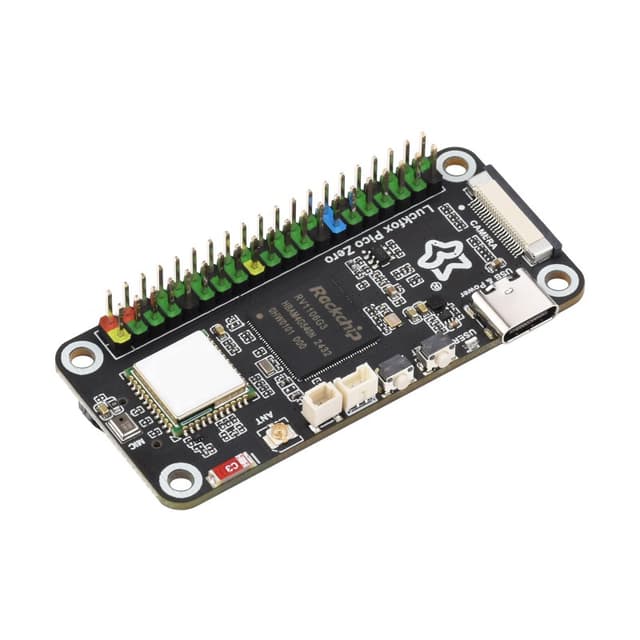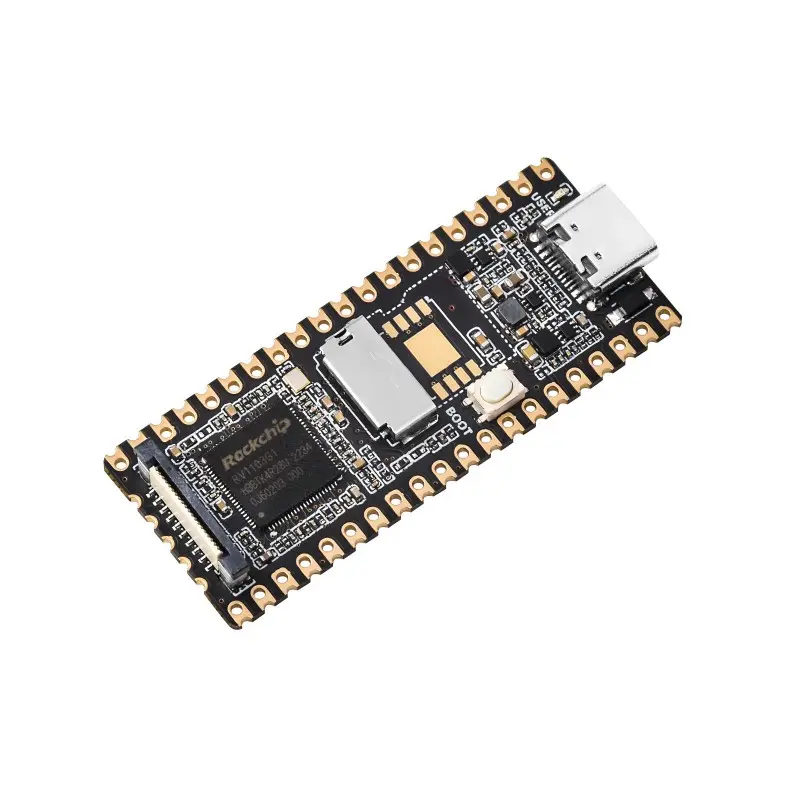
LuckFox Pico
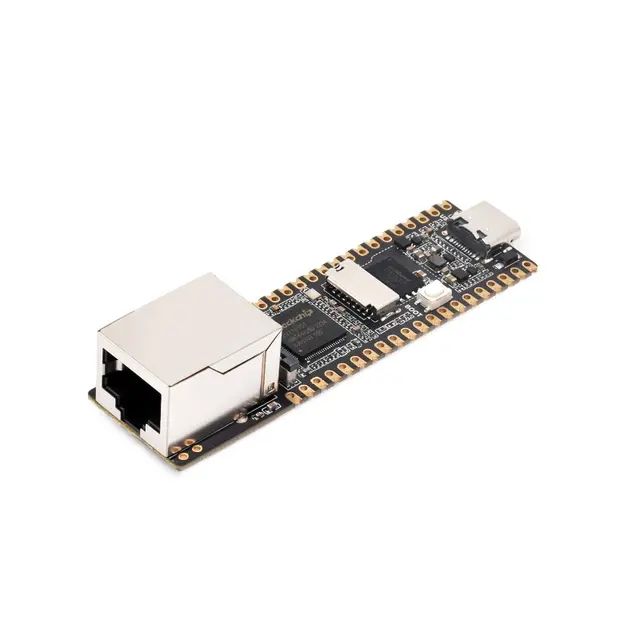
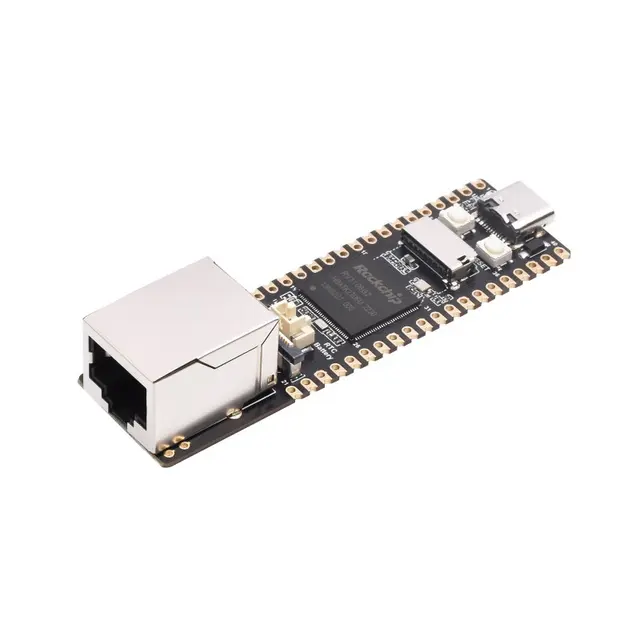
Ultra-compact Linux SBC (51x21mm) based on Rockchip RV1103 with ARM Cortex-A7 @ 1.2GHz, RISC-V MCU co-processor, 0.5 TOPS NPU, ISP 3.2, 64MB DDR2, MIPI CSI camera, and 24 GPIO pins in a Pico form factor.
$8.99
Tap any value to browse matching devices
Specifications
Components
Rockchip RV1103 vision processor — ARM Cortex-A7 @ 1.2GHz + RISC-V MCU + 0.5 TOPS NPU + ISP 3.2
Bus Interfaces
GPIO Map
LuckFox Pico
The LuckFox Pico is an ultra-compact Linux development board built around the Rockchip RV1103 vision processor SoC. Measuring just 51 × 21mm in a Raspberry Pi Pico-compatible form factor, it packs a single-core ARM Cortex-A7 processor running at 1.2GHz alongside a RISC-V MCU co-processor for low-power and fast-boot scenarios.
Key Features
- Heterogeneous processing: ARM Cortex-A7 (Linux) + RISC-V MCU (fast boot, low power) + 0.5 TOPS NPU (AI inference) + ISP 3.2 (camera processing)
- AI-ready: NPU supports int4/int8/int16 mixed-precision quantization, up to 1.0 TOPS with int4 — capable of face recognition in under 1 second
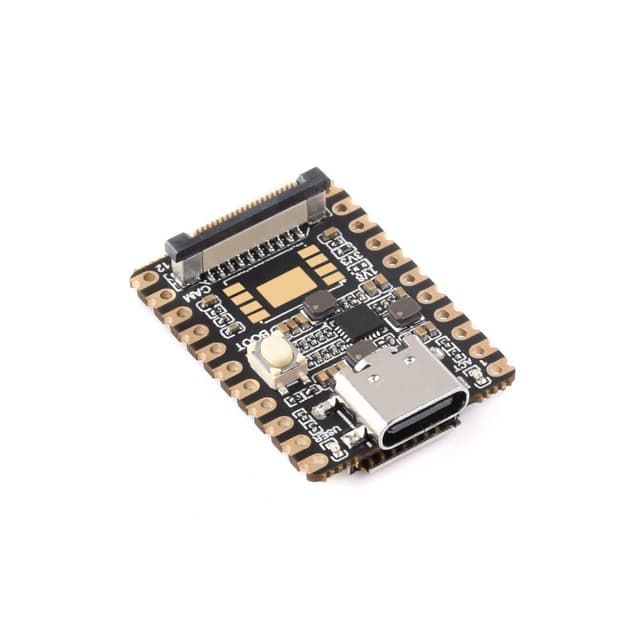
- Camera interface: MIPI CSI 2-lane connector supporting up to 4MP @ 30fps with HDR, WDR, and multi-level noise reduction
- Fast boot: 250ms fast picture capture using the RISC-V MCU co-processor
- Compact: 51 × 21mm Pico form factor with 2× 20-pin headers (24 GPIO)
- Intelligent encoding: Built-in H.264/H.265 encoder with scene-adaptive rate control, saving ~50% bandwidth vs. CBR
Processor Details
The RV1103 SoC integrates:
- CPU: ARM Cortex-A7 @ 1.2GHz with NEON SIMD and FPU
- MCU: RISC-V co-processor for low-power operation and fast startup
- NPU: 0.5 TOPS (int8), up to 1.0 TOPS (int4) — Rockchip's 4th-gen neural processing unit
- ISP: 3rd-gen ISP3.2 supporting 4MP input, HDR, WDR, 3DNR
- Video encoder: Smart H.264/H.265 with adaptive bitrate
- Audio: Integrated audio codec with microphone input and line output
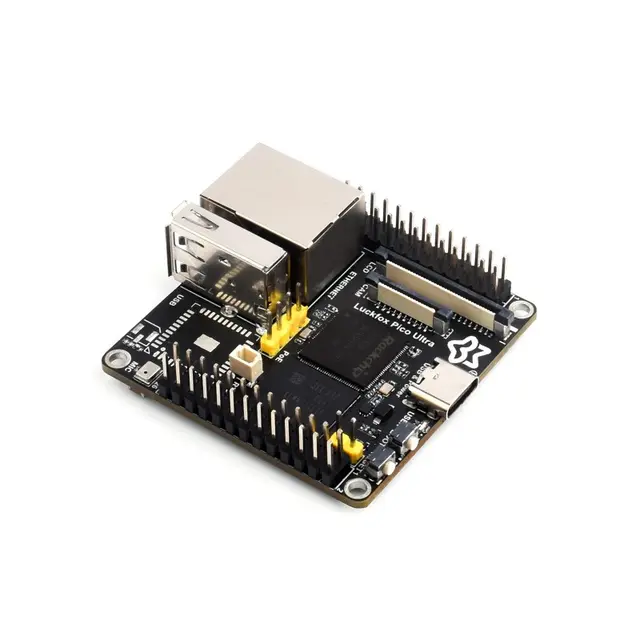
- Ethernet: 10/100M MAC with embedded PHY
GPIO & Interfaces
The board exposes 24 GPIO pins through 2× 20-pin headers:
- 4× UART (UART2, UART3, UART4)
- 1× SPI (SPI0 with dual chip-select)
- 1× I2C (I2C3)
- Up to 18× PWM channels
- 2× SAR ADC channels
- 1× MIPI CSI 2-lane (camera)
- USB 2.0 Host/Device via USB-C
- 10/100M Ethernet via test pads
Software Support
The official LuckFox SDK on GitHub provides a complete Buildroot-based Linux development environment. The board boots Buildroot Linux by default and supports:
- RTSP camera streaming with hardware-accelerated encoding
- OpenCV-based computer vision applications
- RKNN (Rockchip Neural Network) inference for AI models
- RKMPI multimedia processing pipeline
- LVGL for display interfaces
Dimensions
- Board size: 51.00 × 21.00mm
- Pin spacing: 2.54mm standard headers
- Weight: ~10g
Use Cases
2Resources
Where to Buy
Available Software
3Explore more of the directory — popular use cases, firmware, and specs to browse next.