WLED on Ethernet — PoE-Powered LED Controller
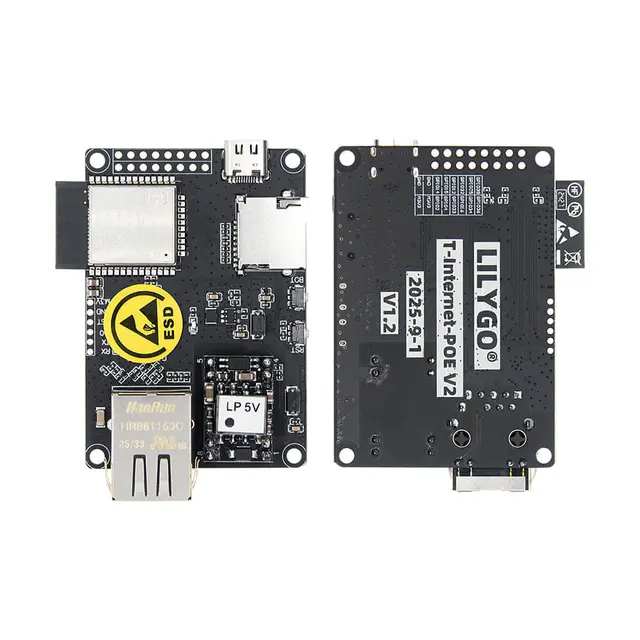
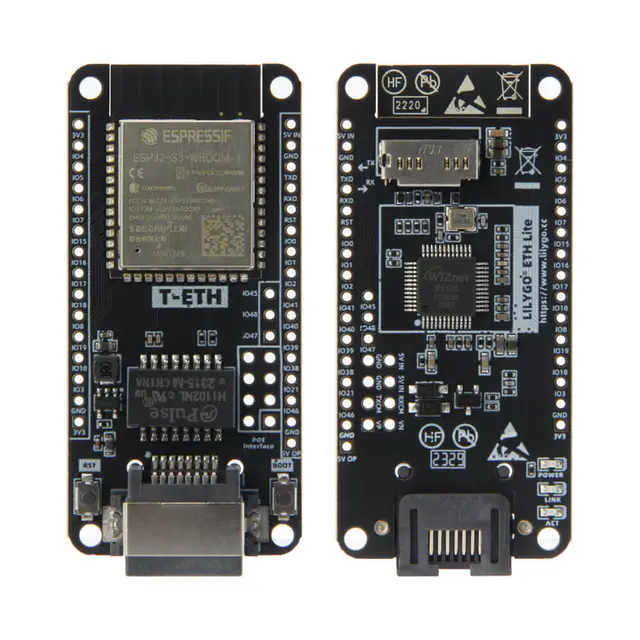
Run WLED on the T-Internet-POE or T-ETH-Lite for rock-solid wired Ethernet LED strip control with PoE power — eliminating WiFi drops and separate power supplies for permanent LED installations.
Overview
WLED (17,500+ GitHub stars) is the world's most popular open-source LED controller firmware, supporting WS2812B, SK6812, and many other addressable LED types. While typically run over WiFi, running WLED on the LILYGO T-Internet-POE or T-ETH-Lite with wired Ethernet eliminates the WiFi reliability issues that plague permanent LED installations — and PoE power means a single Ethernet cable provides both data and power to the controller.
Key Features
- 17,500+ Stars: The most popular ESP32 LED firmware with massive community, effects library, and ecosystem
- 150+ Effects: Built-in animated effects, palettes, and transitions
- Wired Ethernet: Rock-solid connectivity via Ethernet — no WiFi dropouts in RF-noisy environments
- PoE Power: Power-over-Ethernet on T-Internet-POE eliminates separate power supplies for the controller
- Sync Groups: Synchronize effects across multiple WLED instances for multi-zone lighting
- Home Assistant: Native integration with auto-discovery
- Art-Net / E1.31: Professional DMX protocol support for architectural lighting and stage shows
- Segments: Split a single LED strip into independently controlled segments
- Web UI: Beautiful responsive web interface accessible from any browser
Getting Started
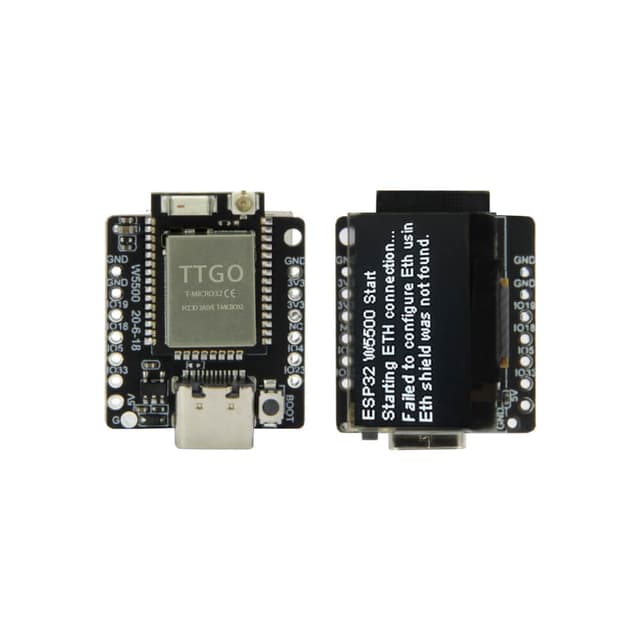
Build WLED with Ethernet support enabled in PlatformIO (set the LAN8720 or W5500 Ethernet flags for your board). Flash to the T-Internet-POE or T-ETH-Lite. Connect an addressable LED strip to the data pin. Plug in a single Ethernet cable — the controller powers up via PoE and is immediately accessible on your network.
Why This Project
Permanent LED installations (under-cabinet lighting, architectural accent, outdoor displays) suffer from WiFi reliability issues — WLED over WiFi works great until it doesn't, and unreachable LED controllers are the #1 complaint in the community. Wired Ethernet with PoE solves both problems: reliable connectivity and simplified power distribution. The T-Internet-POE's PoE support (36–57V) means you can run Ethernet cable from a PoE switch to LED controllers throughout a building with zero additional power supplies.