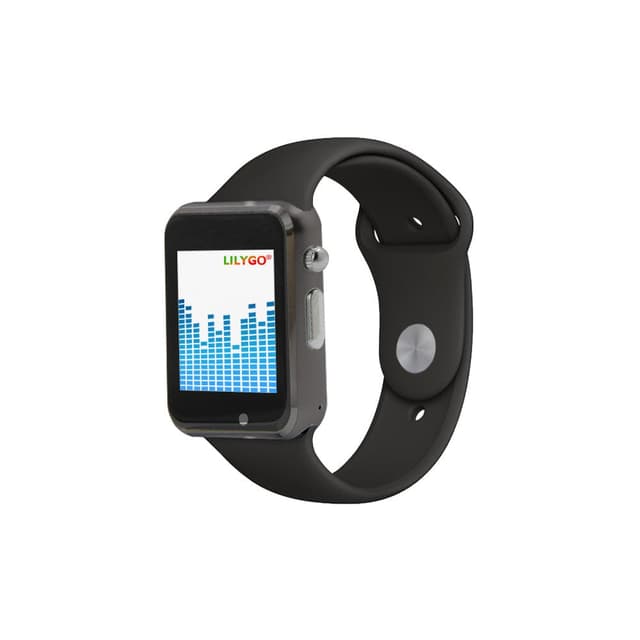
T-Watch 2020 Arduino Framework with Custom Watch Faces
Build a custom watch face application on the LILYGO T-Watch 2020 (V1/V2/V3) using the Arduino framework, LVGL graphics, and the official TTGO TWatch Library, with time sync, touchscreen interaction, and expandable app support.
Overview
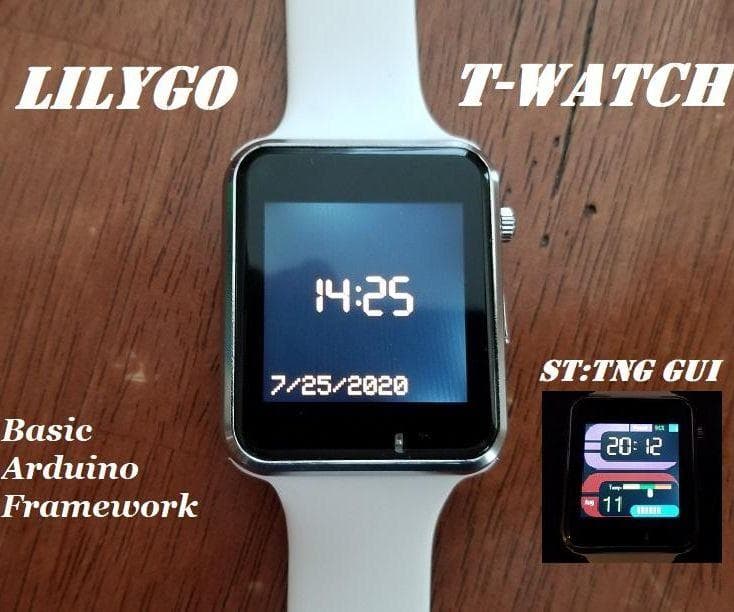
This Instructables project by DanGeiger provides a hands-on introduction to programming the LILYGO T-Watch 2020 using the Arduino framework and the official TTGO_TWatch_Library. Starting from a simple time-display foundation, it teaches how the T-Watch 2020's hardware components — ESP32, 1.54-inch IPS touchscreen, AXP202 power management, BMA423 accelerometer, and PCF8563 RTC — work together and how to build useful watch applications on top of them.
Getting Started
The setup requires adding the ESP32 board support package to Arduino IDE, installing the TTGO_TWatch_Library, and loading the example framework sketch. The framework initializes the display, power management, and accelerometer, then enters a loop that updates the time display every second with a blinking colon separator. Touch screen inputs are handled through interrupt callbacks.
Extending the Framework
The tutorial walks through adding WiFi-based NTP time synchronization for automatic clock setting, and demonstrates building a "Star Trek" inspired display theme using LVGL widgets. The modular architecture allows additional applications (weather, step counter, alarms) to be added as separate display functions called from a main menu. The accelerometer's wrist-flip gesture can wake the display from sleep.
Hardware Versions
The project covers T-Watch 2020 V1, V2, and V3. The V3 uses the AXP202 power management IC and PCF8563 RTC in the same configuration. All three versions share the same pin assignments for display, touch, and core sensors, making the codebase portable across the range.