Micro Journal on Hackster.io — WriterDeck Experience Overview
Hackster.io coverage of the Micro Journal project by Un Kyu Lee, documenting the evolution from phone-based Rev.3 Nadia to modular ESP32 revisions, with custom distraction-free writing firmware and Google Drive sync.
Overview
Hackster.io published a detailed feature article covering the Micro Journal project — an open-source family of distraction-free writing devices (writerDecks) created by Un Kyu Lee. The article traces the design evolution across multiple iterations, highlighting the philosophy behind each revision.
Design Evolution
The article covers four iterations of the Micro Journal:
- First iteration — Built around a Raspberry Pi Zero 2 W with a compact 30-key mechanical keyboard and an ultrawide monitor
- Second iteration — Replaced the SBC with an old smartphone, reducing complexity
- Third iteration (Rev.3 Nadia) — A departure featuring an unusual split keyboard and small screen, running on an ESP32 microcontroller
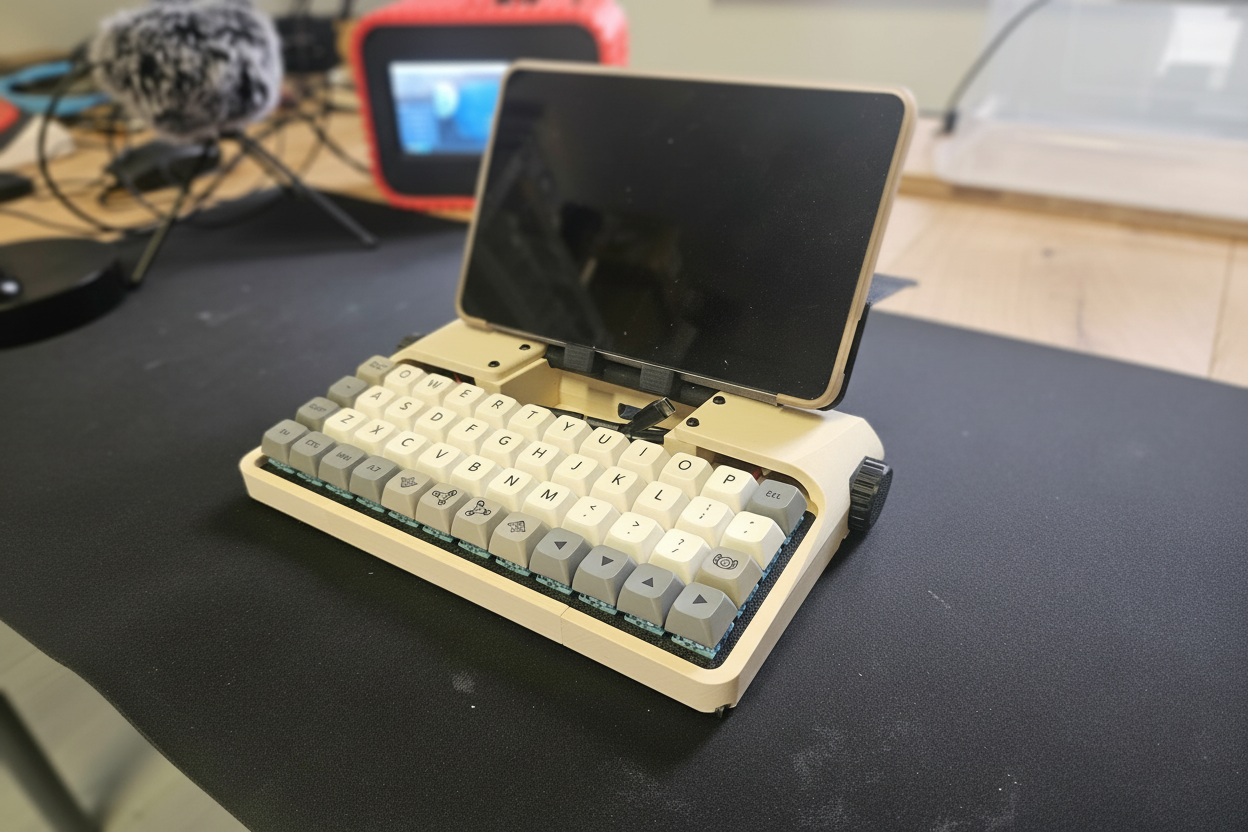
- Fourth iteration — Modular design with a conventional keyboard in a 3D-printed enclosure containing the screen, ESP32 dev board, battery, and control buttons
Technical Highlights
- Custom firmware — Un Kyu Lee developed his own open-source text editor when no suitable existing firmware could be found
- Google Drive sync — Files sync wirelessly to Google Drive for editing on other devices
- ESP32 advantage — Near-instant boot time (vs. minutes for SBC-based designs) and lower power consumption
- 3D-printed enclosure — Minimalist housing for all components
Hardware Specifications (Rev.4)
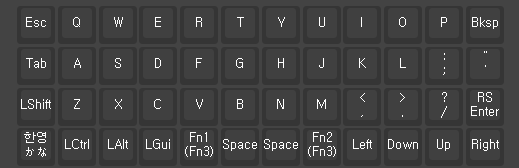
- Handwired 30% ortholinear keyboard
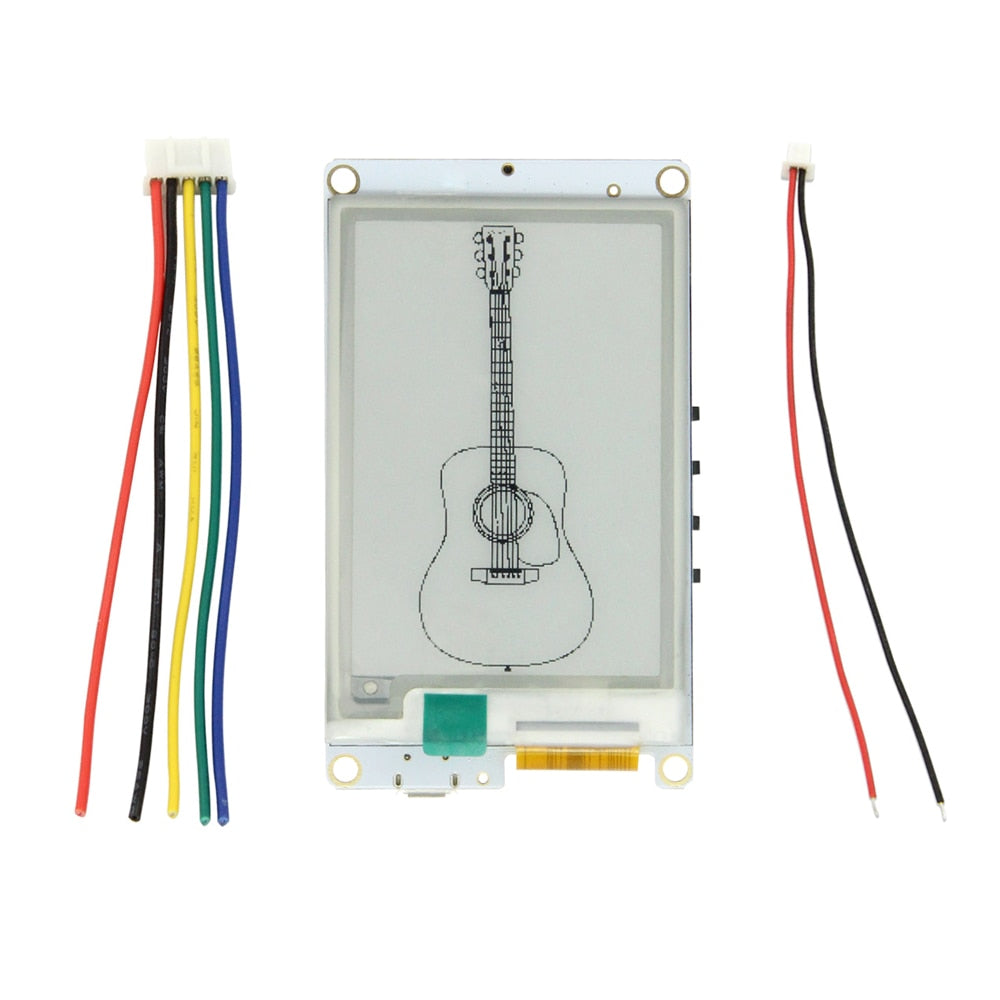
- 2.8-inch ILI9341 LCD display (240x320 resolution) with SD card slot
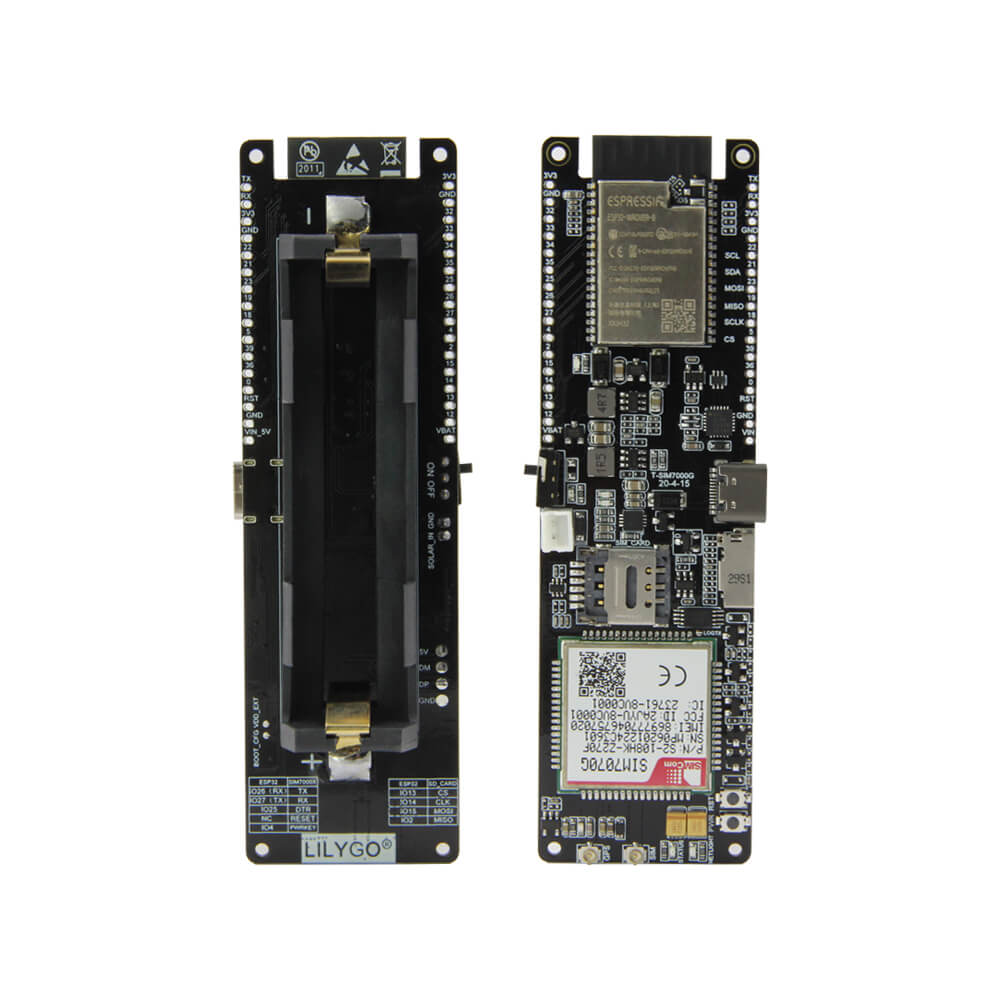
- ESP32 development board
- 18650 battery with charging board
Community Impact
The article highlights how the Micro Journal fills a niche between expensive commercial writerDecks (like the Freewrite at $500+) and full-computer-based solutions, offering an affordable, customizable, open-source alternative. The project is available as assembled units or DIY kits on Tindie.