Haven MANET — WiFi HaLow Mesh Radio for Long-Range Networking
An open-source MANET mesh radio toolkit using WiFi HaLow (802.11ah) for multi-kilometer range ad-hoc networking — the first open mesh networking project built specifically for sub-GHz WiFi radios.
Overview
Haven MANET (346+ GitHub stars) is the first open-source Mobile Ad-hoc Network (MANET) mesh radio toolkit purpose-built for WiFi HaLow (802.11ah) radios. WiFi HaLow operates in sub-GHz bands, achieving multi-kilometer range while maintaining higher data rates than LoRa — making it ideal for real-time mesh networking in emergency communications, field operations, and off-grid deployments.
Key Features
- WiFi HaLow (802.11ah): Sub-GHz WiFi with kilometer-range and higher throughput than LoRa
- MANET Mesh: Self-forming, self-healing mesh topology — nodes automatically discover and route through each other
- IP Networking: Full IP stack — supports standard network applications (SSH, HTTP, file transfer)
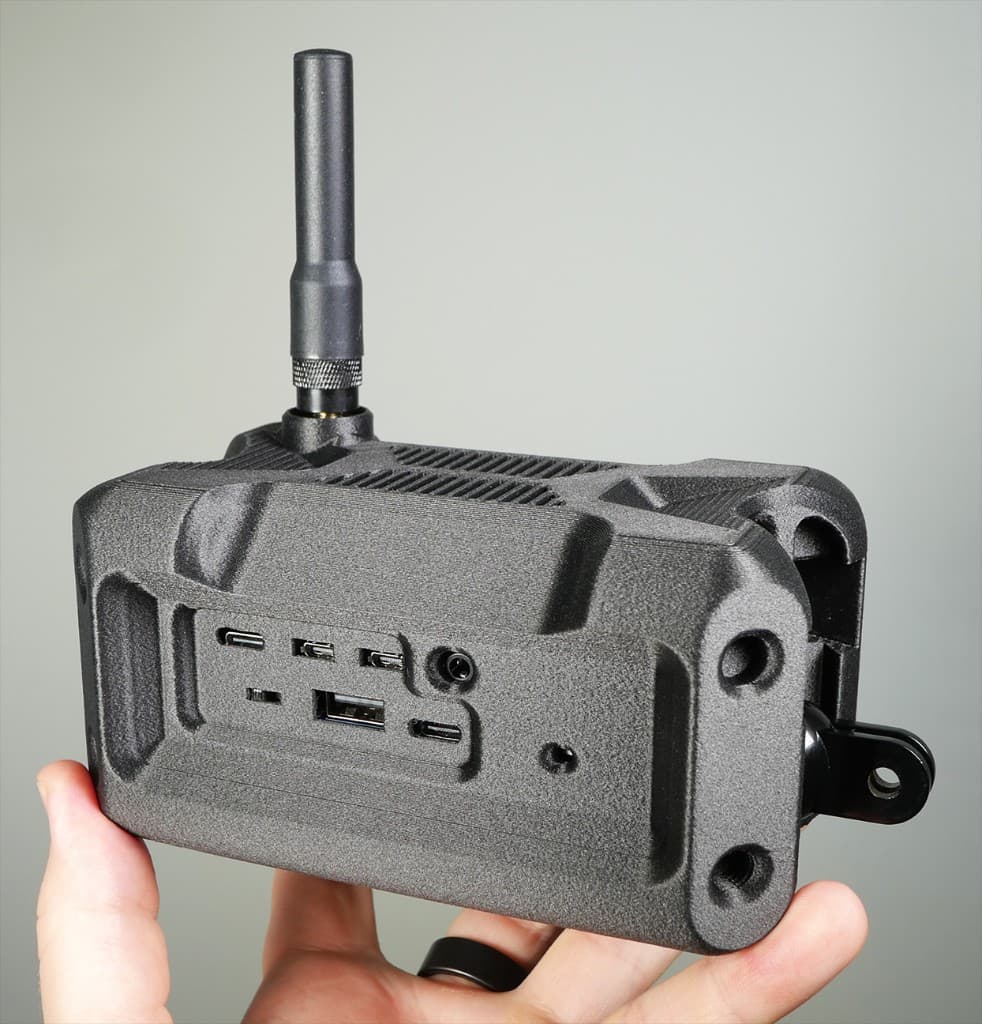
- 3D-Printable Enclosure: STL files included for a weatherproof field-deployable enclosure
- Emergency Communications: Designed for scenarios where infrastructure is unavailable
- Multi-Hop Routing: Messages route through intermediate nodes to extend range
Getting Started
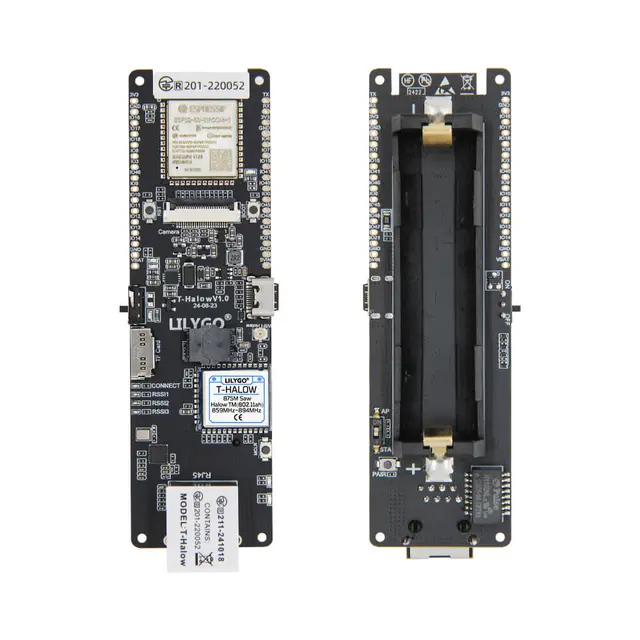
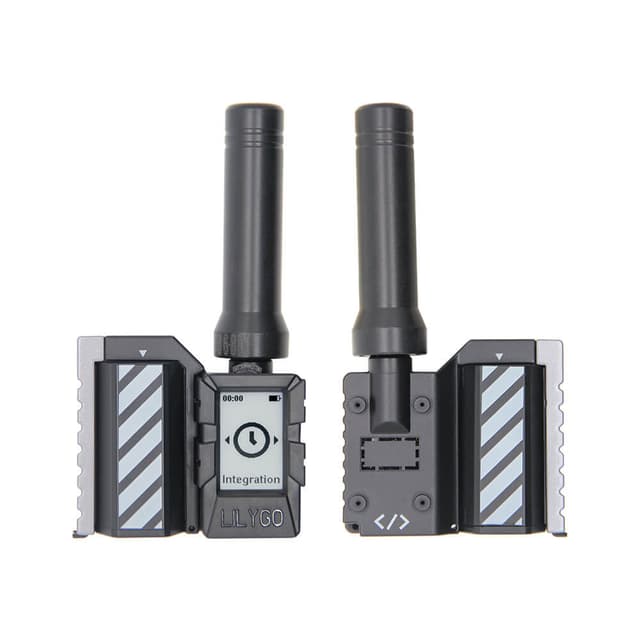
The T-Halow is one of the few consumer-available WiFi HaLow development boards. Flash the Haven MANET firmware and deploy multiple nodes to form an ad-hoc mesh. Each node acts as both an endpoint and a relay, creating a resilient multi-hop network with kilometer-scale links.
Why This Project
WiFi HaLow fills the gap between LoRa (long range, very low throughput) and standard WiFi (high throughput, short range). Haven MANET is pioneering open-source mesh networking on this new radio technology. The LILYGO T-Halow is uniquely positioned as an affordable development platform for this emerging protocol — making it relevant for emergency preparedness, rural connectivity, and next-generation IoT deployments.