Beryllium OS — Unix-Like Operating System for T-Deck
A unix-like operating system for CircuitPython microcontrollers with a real shell, package manager, background tasks, and GPIO/I2C/UART tools — turning the T-Deck into a tiny Linux-like computer.
Overview
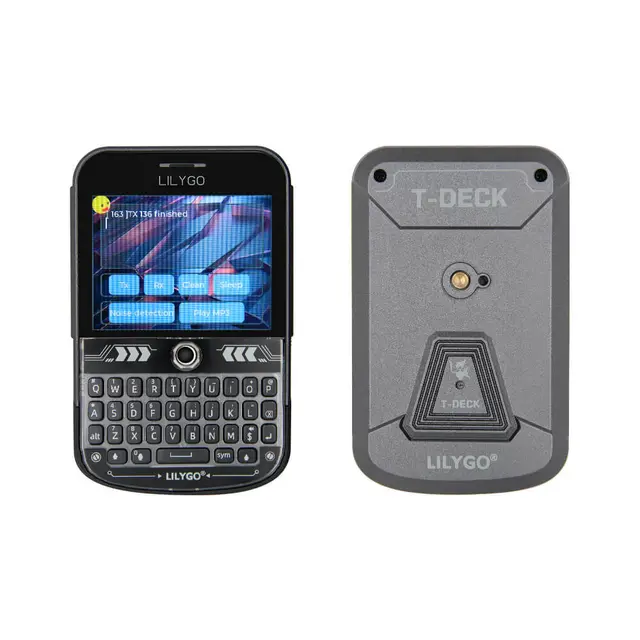
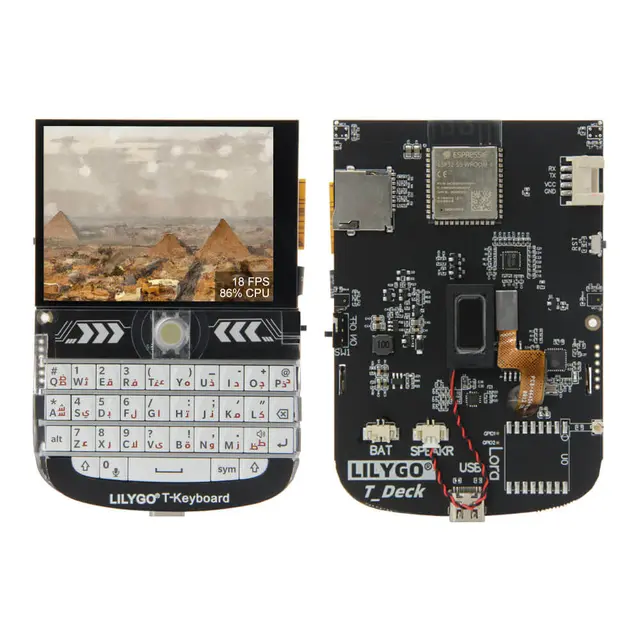
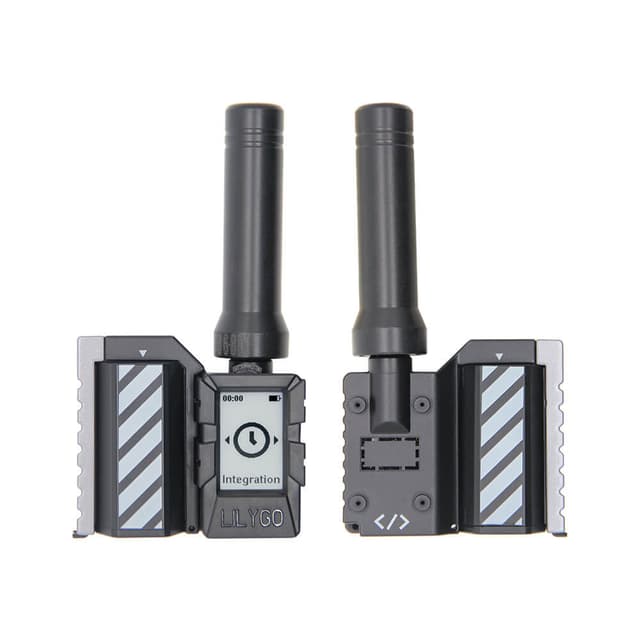
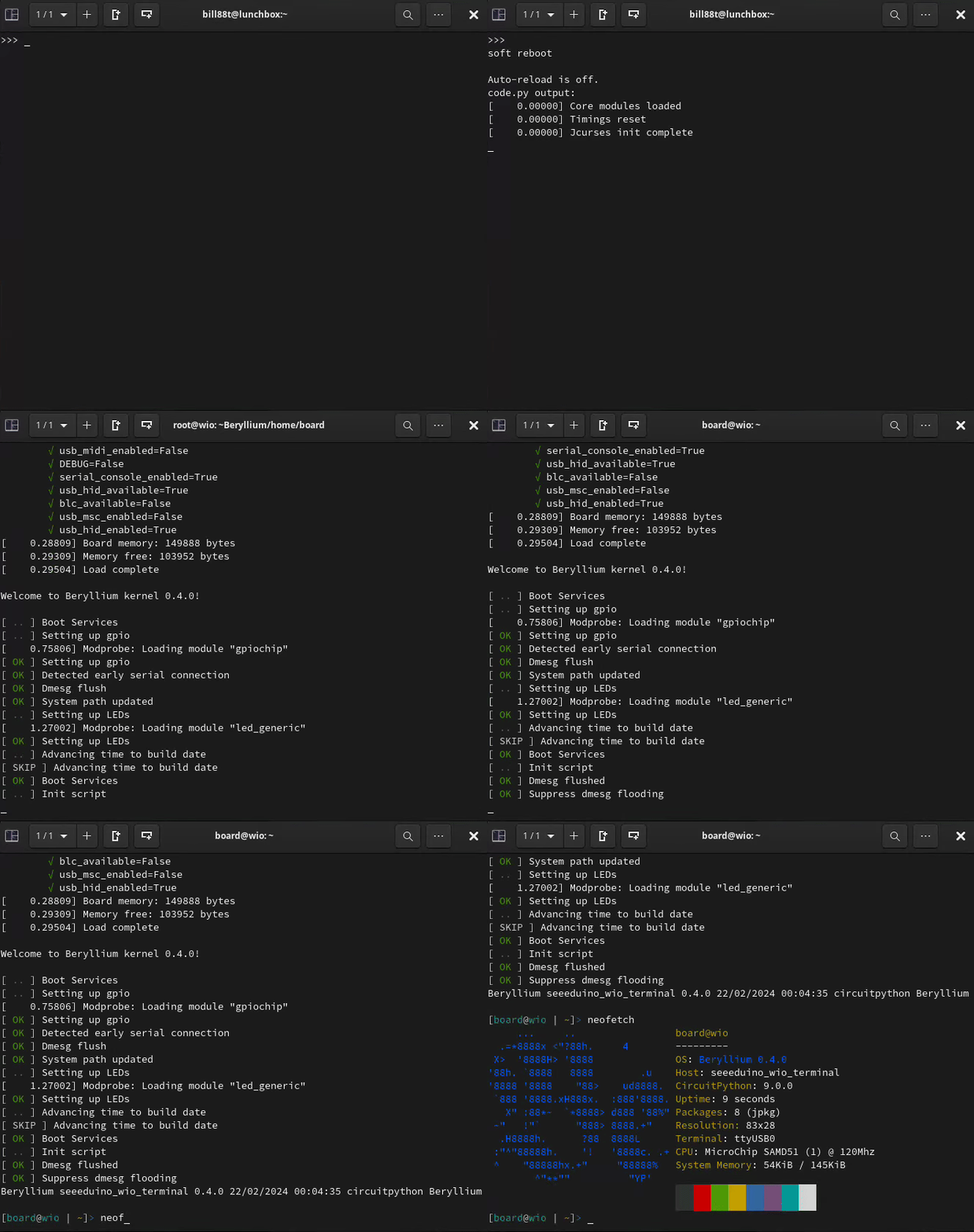
Beryllium OS (317+ GitHub stars, formerly "ljinux") is a unix-like operating system that runs on CircuitPython-powered microcontrollers. On the LILYGO T-Deck, it provides a real shell with familiar commands, a package manager, background task scheduling, and hardware access tools — effectively turning the T-Deck into a tiny POSIX-inspired handheld computer.
Key Features
- Unix-Like Shell: Familiar commands (ls, cd, cat, echo, etc.) in a real terminal environment
- Package Manager (JPKG): Install and manage third-party packages from the Beryllium repository
- Background Tasks: Schedule and manage background processes — a lightweight task scheduler
- Hardware Tools: Direct access to GPIO, I2C, UART, ADC, and SPI from the command line
- File System: Full file system navigation with SD card support
- CircuitPython Base: All CircuitPython libraries available for scripting and automation
- T-Deck Config: Dedicated configuration for the T-Deck's keyboard, display, and trackball
Getting Started
Install CircuitPython 9.x on your T-Deck, then copy Beryllium OS files to the CIRCUITPY drive. Boot into a terminal with a blinking cursor. Type help to see available commands. Use jpkg install <package> to add functionality from the community repository.
Why This Project
Beryllium OS bridges the gap between "firmware" and "operating system" on microcontrollers. While uLisp gives you a programming language, Beryllium gives you an operating system with a shell, package manager, and Unix-like workflow. For users who think in terms of terminals and command lines, it's the closest thing to having Linux on an ESP32-S3 handheld.