Tutorialintermediate
Controlling Video Game Using Brainwaves (EEG)
Build a brain-computer interface that classifies EEG signals into attentive and relaxed states to control a video game character, using machine learning with BioAmp EXG Pill and Python.
Firmware:Arduino
Use Cases:Education
Overview
This intermediate-level project uses EEG signals to control a video game through a brain-computer interface. The system classifies brain activity into two mental states -- attentive (to move) and relaxed (to brake) -- using machine learning.
Hardware Required
- BioAmp EXG Pill
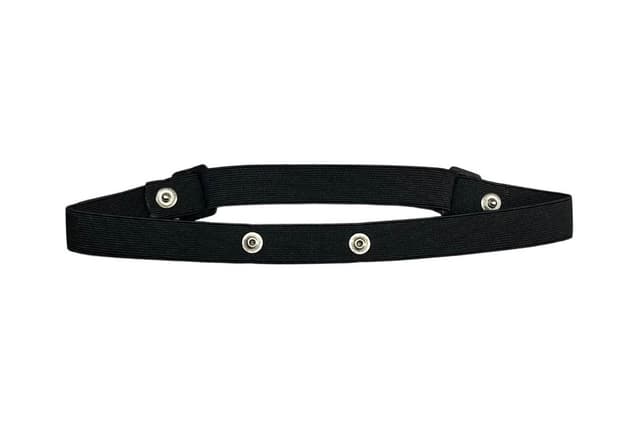
- Brain BioAmp Band (or gel electrodes)
- BioAmp Cable v3
- Arduino Uno or Maker Uno
- Jumper cables
Software Stack
- Arduino IDE v1.8.X (Legacy) for data acquisition
- Python v3.11.X for signal processing
- Visual Studio Code for development
- Google Colab for model training
How It Works
- EEG signals are recorded from Fp1/Fp2 positions on the forehead
- Raw data is streamed via serial to Python
- Features are extracted from the EEG signal
- A machine learning model classifies the brain state
- Classification results are mapped to game controls
What You'll Learn
- EEG data acquisition and streaming
- Feature extraction from brain signals
- Training a classifier for brain state detection
- Mapping BCI output to game controls