Raspberry Pi Pico 2
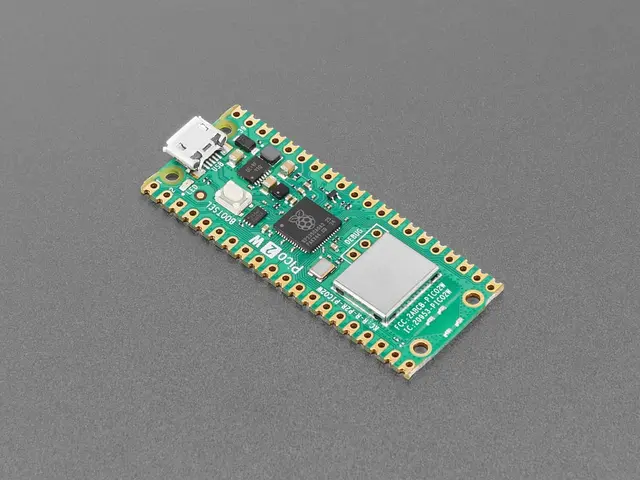
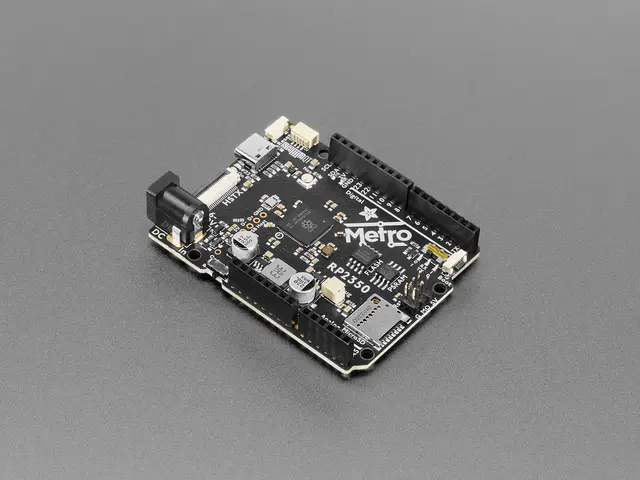
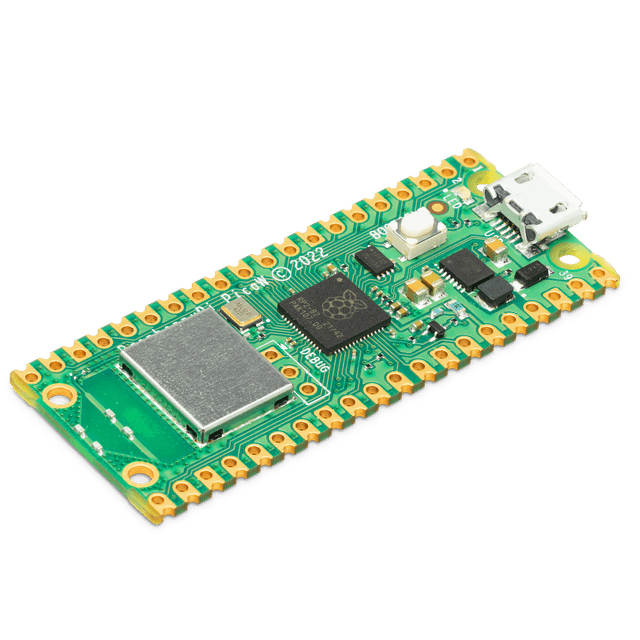
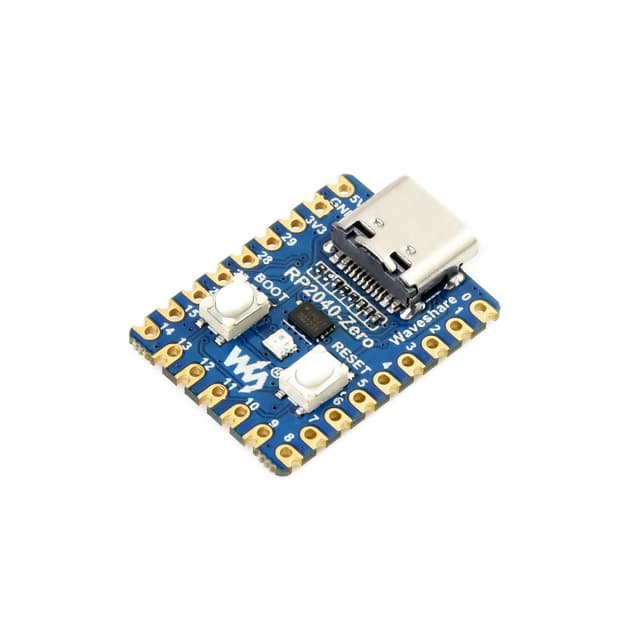
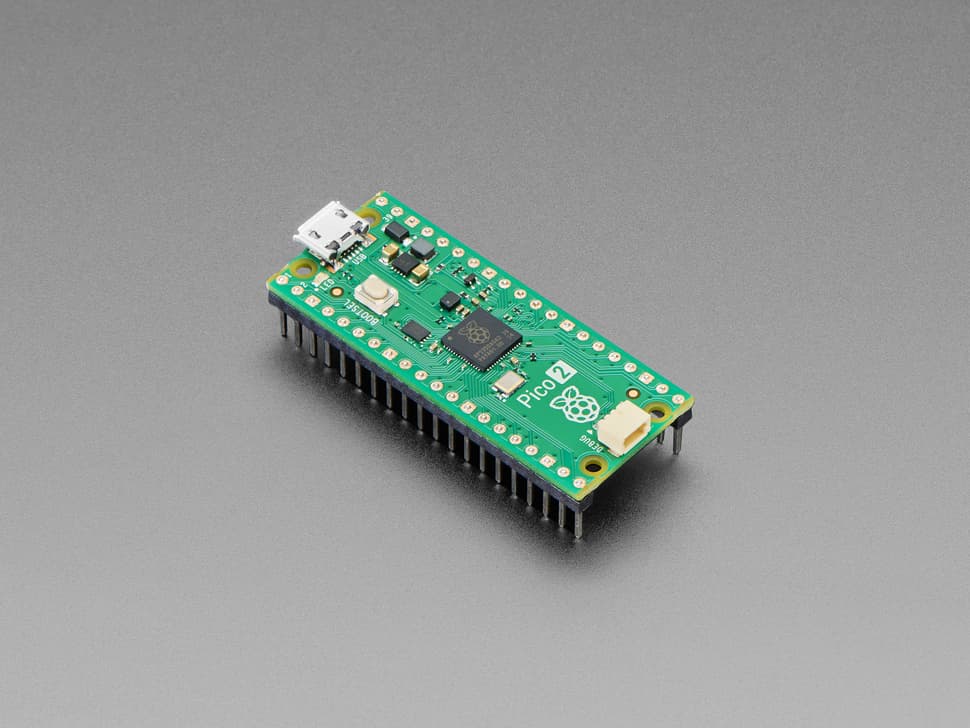
The Raspberry Pi Pico 2 is an RP2350-based microcontroller board with dual ARM Cortex-M33 or RISC-V Hazard3 cores at 150MHz, 520KB SRAM, and 4MB flash. It doubles the RAM and flash of the original Pico while retaining pin compatibility — available with or without pre-soldered headers.
$7.00
Tap any value to browse matching devices
Specifications
Certifications
Components
Dual-core ARM Cortex-M33 or RISC-V Hazard3 at 150MHz with 520KB SRAM, hardware AES/SHA-256, TRNG, and 12 PIO state machines.
Bus Interfaces
GPIO Map
Overview
The Raspberry Pi Pico 2 is the successor to the original Pico, built on Raspberry Pi's second-generation RP2350 microcontroller. Where the original Pico ran dual Cortex-M0+ cores at 133MHz, the Pico 2 upgrades to dual ARM Cortex-M33 cores at 150MHz — and uniquely allows the developer to boot into dual RISC-V Hazard3 mode instead, making it the first commercially available board to offer a switchable dual-ISA architecture. This flexibility is particularly interesting for bare-metal and RTOS developers exploring RISC-V.
The hardware delivers exactly double the memory of the original Pico: 520KB of on-chip SRAM (up from 264KB) and 4MB of QSPI flash (up from 2MB). The same 26 multi-purpose GPIO pins are broken out, four of which are usable as 12-bit ADC inputs. Two UARTs, two SPI controllers, two I2C buses, 24 PWM channels, and 12 PIO state machines (up from 8 on RP2040) are available for peripheral interfacing. Power input is 1.8–5.5V, and the USB 1.1 controller supports both host and device mode.
Unlike the Pico 2W, the Pico 2 has no wireless radio, keeping the BOM cost low for applications that don't require WiFi or Bluetooth. New security features in the RP2350 include hardware AES, SHA-256 accelerator, an on-chip True Random Number Generator, and support for a secure boot chain — features absent from RP2040. Note: the A2 silicon revision carries the E9 erratum affecting certain GPIO pull-down configurations with PIO state machines.
The Pico 2 is fully supported by the official Raspberry Pi Pico SDK, MicroPython, and CircuitPython. It is pin-compatible with the original Pico, allowing most existing Pico projects to run without hardware changes. The "with header" variant ships with pre-soldered 2.54mm pin headers, making it breadboard-ready out of the box.
Use Cases
4Prototyping
Rapid hardware prototyping and proof-of-concept development with breadboard-friendly form factors and accessible development environments.
Education
Teaching programming, electronics, and computer science concepts. Popular in schools, universities, and coding bootcamps.
USB HID Device
Implementing a USB Human Interface Device such as a keyboard, mouse, game controller, or MIDI device using native USB support.
IoT
Internet of Things applications including connected sensors, actuators, and smart devices that communicate over WiFi, BLE, LoRa, or other wireless protocols.
Resources
Available Software
3Explore more of the directory — popular use cases, firmware, and specs to browse next.