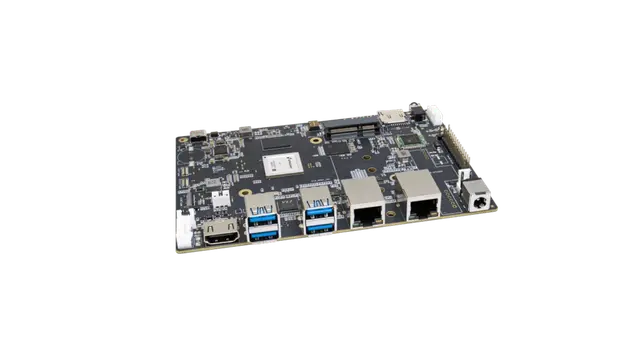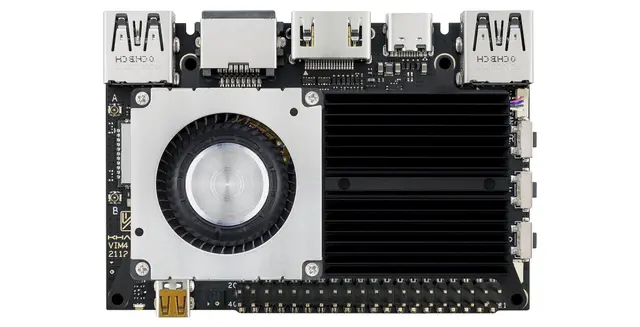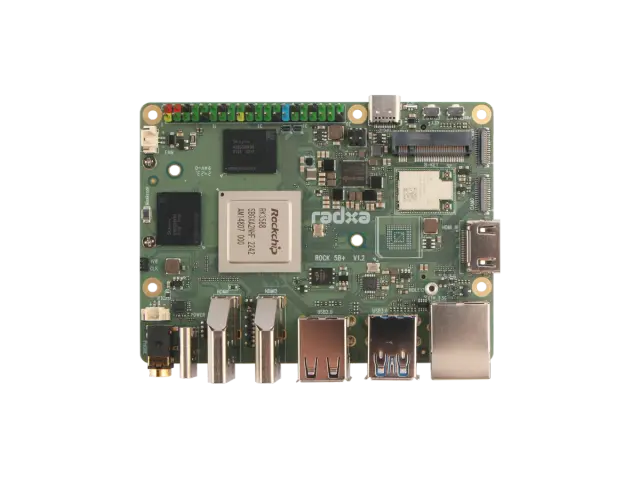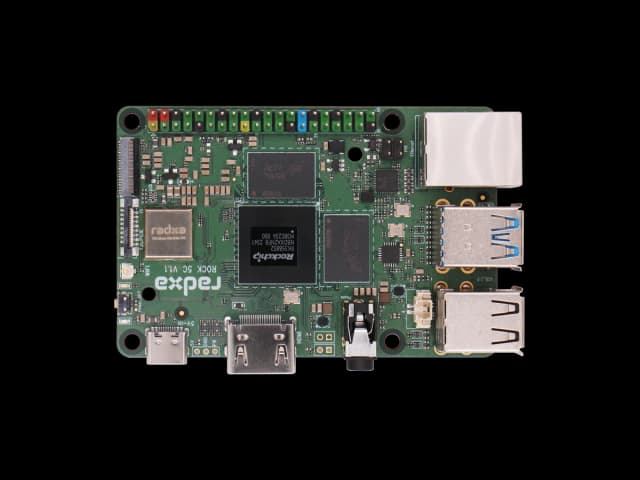
Muse Pi Pro
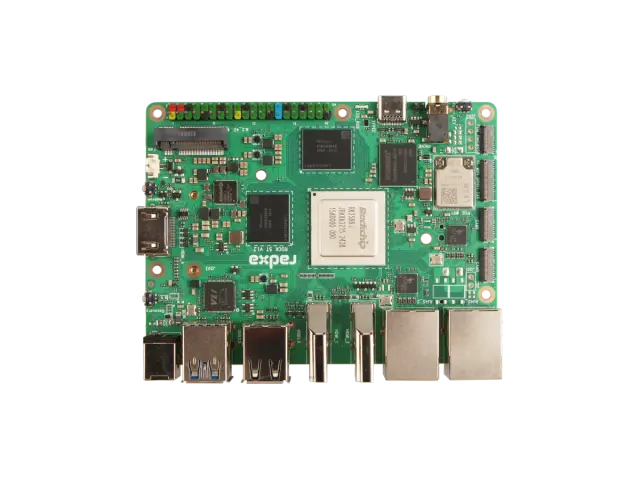
Raspberry Pi-sized RISC-V SBC with SpacemiT K1 octa-core @ 1.8GHz, 2 TOPS NPU, WiFi 6, Gigabit Ethernet, M.2 NVMe, mPCIe for 4G/5G, and a 40-pin GPIO header — a full-featured RISC-V Linux developer board.
$122.42
Tap any value to browse matching devices
Specifications
Components
SpacemiT K1 (M1): 8× RISC-V X60 @ 1.8GHz, Imagination IMG BXE-2-32 GPU (Vulkan 1.2, OpenCL 3.0), 2 TOPS NPU (INT8), 1080p60 H.265/H.264 encode/decode.
Imagination Technologies IMG BXE-2-32 GPU with Vulkan 1.2, OpenGL ES 3.2, and OpenCL 3.0 support, delivering 20 GFLOPS (FP32).
GPIO Map
Overview
The Muse Pi Pro is one of the most capable RISC-V single-board computers available, built around the SpacemiT M1 (K1) SoC — an octa-core 64-bit RISC-V processor running at 1.8GHz with a 2 TOPS NPU and an Imagination IMG BXE-2-32 GPU supporting Vulkan 1.2, OpenGL ES 3.2, and OpenCL 3.0. It fits the standard Raspberry Pi 4 footprint (85×56mm), making it a drop-in form factor replacement for RPi-compatible enclosures.
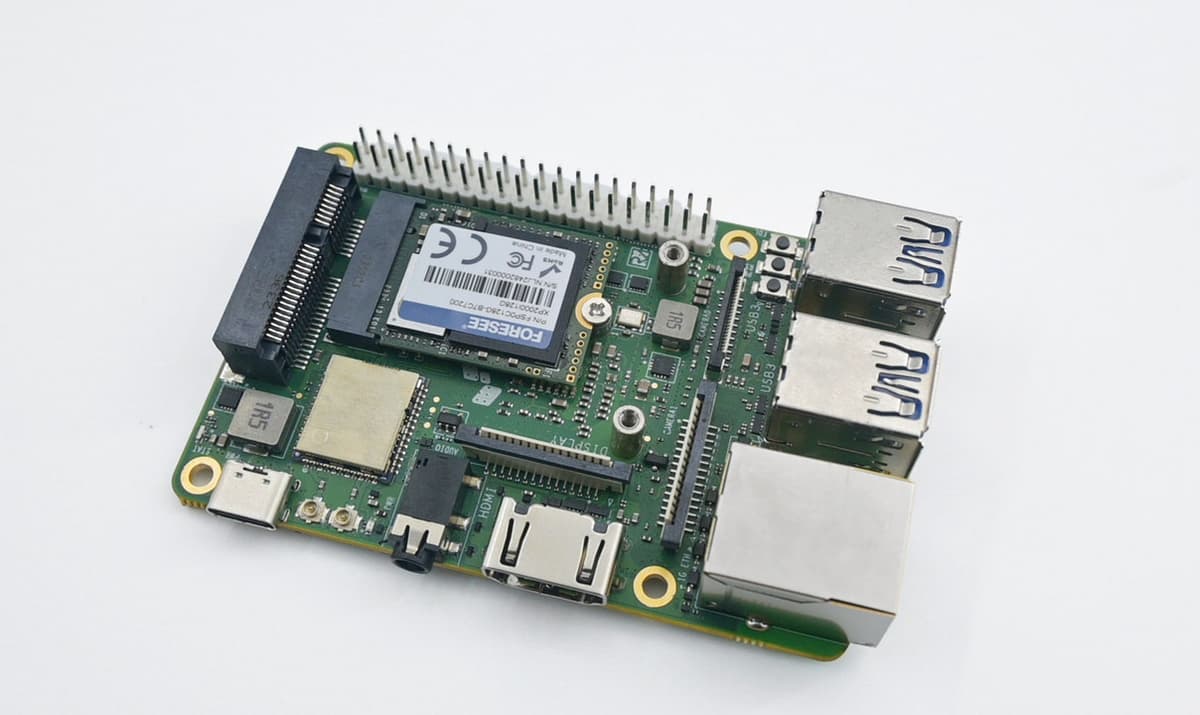
Connectivity is unusually comprehensive for a RISC-V board at this price: Gigabit Ethernet, onboard WiFi 6 + Bluetooth 5.3, four USB 3.0 ports, HDMI output, and both an M.2 M-Key 2230 socket (NVMe or wireless) and a mini PCIe socket (WiFi or 4G LTE/5G modules). RAM options are 8GB or 16GB LPDDR4X, with 64GB or 128GB eMMC flash. A standard 40-pin GPIO header enables HAT compatibility.
The K1 SoC targets edge AI inference with its 2 TOPS NPU (INT8), and supports 1080p60 H.265/H.264 hardware video decode and encode. Two MIPI CSI interfaces and one MIPI DSI port extend it to camera and embedded display use cases.
Armbian, Bianbu OS (SpacemiT's own Ubuntu derivative), Debian, and Ubuntu are supported. The Muse Pi Pro is a compelling choice for RISC-V software development, AI inference experimentation, and anyone looking to move workloads off ARM/x86 onto open ISA hardware.
Use Cases
7RISC-V Development Platform
A development platform for learning, experimenting with, and building applications on the open RISC-V instruction set architecture.
Edge AI
On-device machine learning inference at the edge, without cloud dependency
ARM SBC Development
Used as an ARM Linux development and prototyping platform — running full Debian/Ubuntu for building and testing ARM-native software and embedded Linux applications.
Embedded Linux
Running a full Linux distribution in embedded or headless applications, such as servers, gateways, edge devices, and automation controllers.
IoT Gateway
Acting as a local IoT gateway that aggregates data from sensors, runs MQTT broker, Node-RED, or Home Assistant, and bridges to the cloud.
Home Server
Used as a low-power home server for file sharing, self-hosted apps, and local services — often running Docker, Home Assistant, or similar on Armbian/Debian/Ubuntu.
Computer Vision
Image recognition, object detection, and ML inference using embedded cameras and AI-capable processors.
Resources
Where to Buy
Explore more of the directory — popular use cases, firmware, and specs to browse next.