5V via USB-C or Vin
3 devices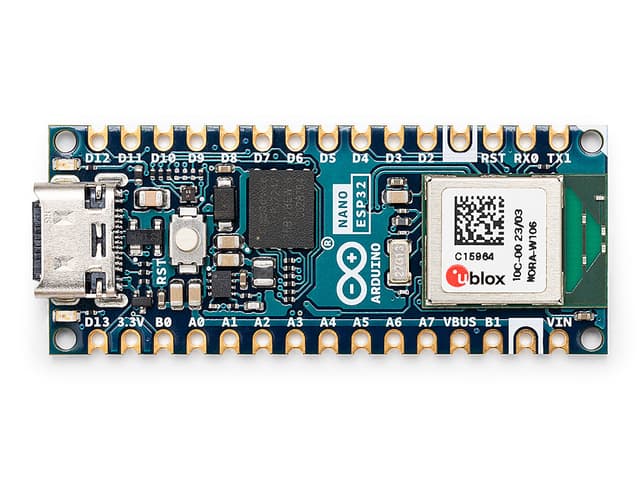
Arduino Nano ESP32
Dev BoardArduino Nano form factor powered by ESP32-S3 with WiFi 802.11 b/g/n, Bluetooth LE 5.0, dual-core Xtensa LX7 at 240MHz, 8MB flash, 512KB SRAM, USB-C, and HID support — Arduino's compact IoT powerhouse
Xtensa LX7 dual-core @ 240MHz, FPU512KB SRAM8MBWiFi 802.11 b/g/nBLE BLE 5.0
~$19View
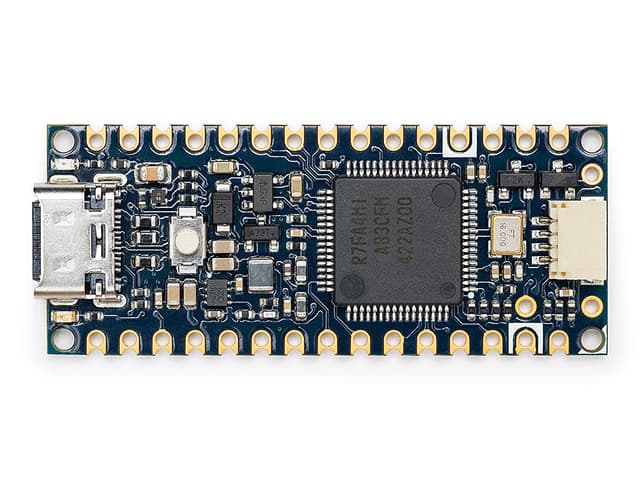
Arduino Nano R4
Dev BoardThe newest Arduino Nano — Renesas RA4M1 ARM Cortex-M4F at 48MHz with 256KB flash, 32KB SRAM, Qwiic connector, RGB LED, castellated pins, and USB-C in an ultra-compact 43×17mm form factor. No wireless,
ARM Cortex-M4F @ 48MHz, FPU, DSP32KB SRAM256KB8KB EEPROM
~$12View
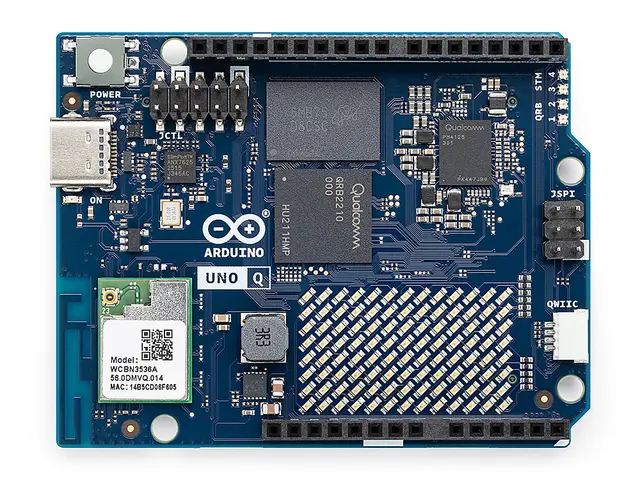
Arduino UNO Q
sbcArduino's first Linux-capable UNO — Qualcomm Dragonwing QRB2210 quad-core Cortex-A53 + STM32U585 real-time co-processor, 2GB/4GB RAM, 16GB eMMC, WiFi 5, Bluetooth 5.1, 8×13 LED matrix, USB-C, and AI-r
ARM Cortex-A53 quad-core @ 2.0GHzCortex-M33 @ 160MHz2GB LPDDR416GB eMMCWiFi 802.11ac (WiFi 5)BLE Bluetooth 5.1, BLE
~$43View
Get notified when new devices are added.
More to explore — popular traits shared by devices with Power: 5V via USB-C or Vin.