Adafruit Metro M7 with AirLift
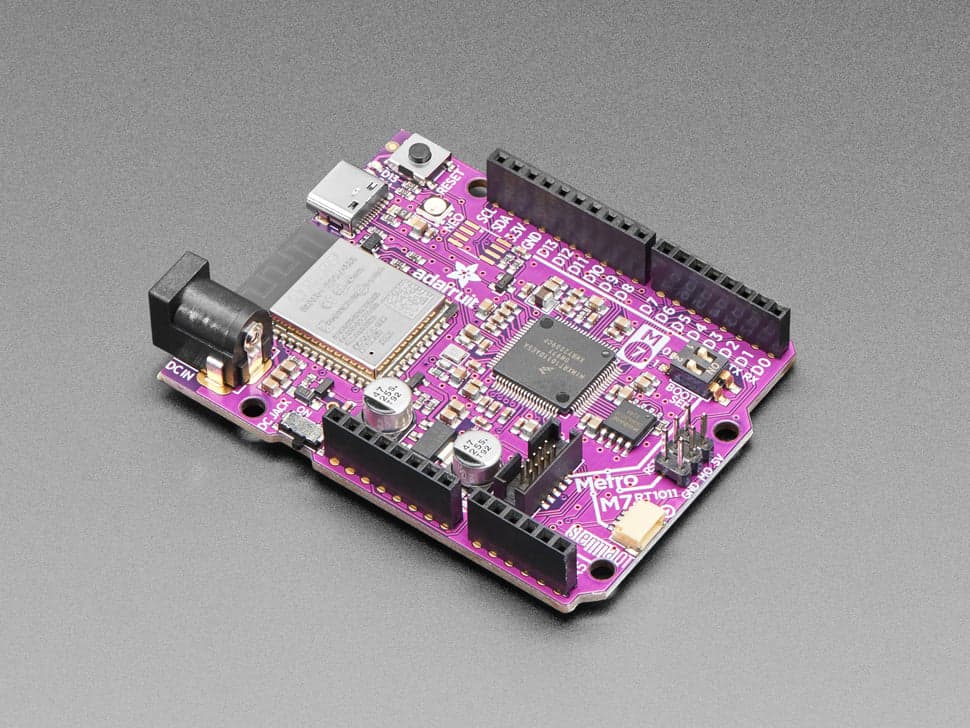
Arduino UNO-compatible Metro board powered by NXP iMX RT1011 at 500 MHz with an ESP32 AirLift WiFi co-processor, 8 MB QSPI Flash, and USB-C — Adafruit's fastest Metro ever.
$29.95
Tap any value to browse matching devices
Specifications
Components
ESP32-based AirLift WiFi co-processor providing 802.11 b/g/n connectivity with TLS/SSL support via SPI.
Bus Interfaces
GPIO Map
Overview
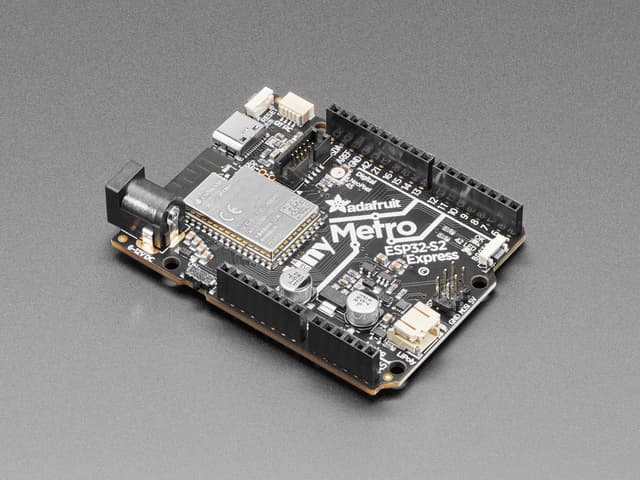
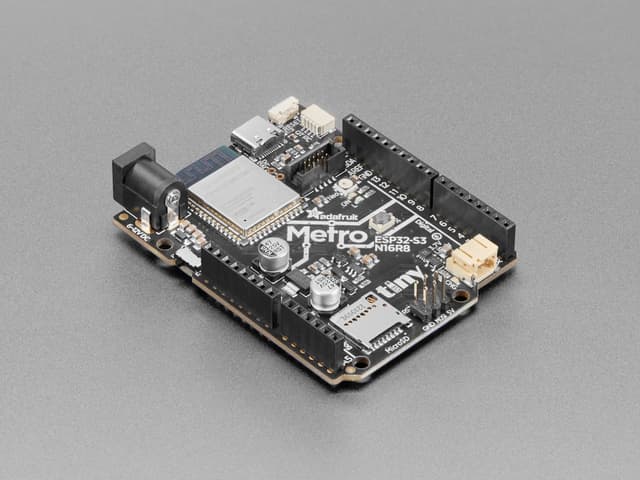
The Adafruit Metro M7 with AirLift is built around NXP's iMX RT1011 ARM Cortex-M7 microcontroller running at 500 MHz, making it the fastest Metro board Adafruit has produced. Despite the speed jump, it retains the UNO-shape form factor that ensures compatibility with the vast library of Arduino shields already on the market.
WiFi connectivity is handled by an onboard ESP32 co-processor via SPI — the same AirLift approach used on other Adafruit Metro boards. The ESP32 manages TLS/SSL offloading so the main M7 core stays free for application logic. A drag-and-drop UF2 bootloader on the 8 MB QSPI Flash makes firmware updates as simple as copying a file.
A STEMMA QT connector exposes an I2C bus so you can attach Adafruit's large ecosystem of sensors and displays without soldering. A 6–12 V barrel jack or USB-C can provide power, and an onboard On/Off switch adds convenience for battery-backed projects. SWD pads are available for advanced debugging.
Note that CircuitPython support is the primary focus; the board is not compatible with the Arduino IDE or PlatformIO at this time. Adafruit distributes the board through DigiKey, Mouser, and Micro Center in addition to their own shop.
Use Cases
2Where to Buy
Available Software
1Explore more of the directory — popular use cases, firmware, and specs to browse next.